

Expensive tickets are pushing residents toward advance bookings, brief trips, and budget-friendly offers.
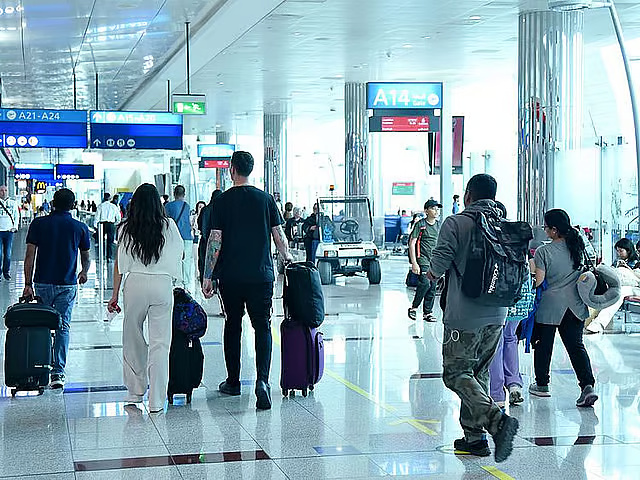
Dubai: UAE travellers are still planning summer holidays, but rising airfares are reshaping booking patterns, with travel agents reporting ticket prices up 30–40% compared to summer 2025.
While summer is typically one of the costliest periods for air travel, fares this year have increased further due to higher jet fuel prices linked to the US–Israel–Iran conflict, disruptions near the Strait of Hormuz, and longer flight routes caused by airspace restrictions.
Travel agents say demand has not declined, but higher costs have made travellers more selective as they balance holiday plans with rising expenses.
London, New York, Manila among costlier routes
The impact of higher airfares is evident across some of the most popular summer travel routes from the UAE, with return tickets during the peak July holiday period reaching several thousand dirhams.
For travel between July 3 and July 17, return economy fares from Dubai and Abu Dhabi varied significantly depending on the destination and route. A return flight from Dubai to London was available from around Dh4,340, while Abu Dhabi–London tickets were priced at approximately Dh4,910.
European destinations also remained relatively expensive, with Dubai–Paris fares at about Dh4,470, Dubai–Lisbon at Dh4,385, and Dubai–Athens at around Dh3,640.
Long-haul travel came at a higher cost, with return fares from Dubai to New York starting at around Dh6,010, while Abu Dhabi–New York tickets were priced at about Dh6,270. Flights from Abu Dhabi to Chicago were among the most expensive, at approximately Dh7,100.
Travel to some Asian destinations was comparatively more affordable, though prices remained elevated for the off-peak season. Return fares from Dubai to Bangkok were around Dh2,932, while Dubai–Hong Kong tickets were about Dh4,240.
Flights to popular home destinations for UAE residents also showed variation in pricing. Return tickets from Dubai to Mumbai were around Dh1,670, Abu Dhabi–Mumbai about Dh1,630, and Dubai–Kochi approximately Dh2,189.
Other routes included Dubai–Colombo at around Dh2,030, Dubai–Manila at about Dh5,000, Dubai–Cairo at Dh2,903, and Abu Dhabi–Istanbul at roughly Dh1,388.
Travel agents said some passengers are considering connecting flights to cut costs, though many are reluctant to accept longer travel times in exchange for cheaper fares.
Regional, shorter holidays
Travel agents said higher ticket prices are shaping destination choices, with some travellers shifting away from long-haul international trips.
“High airfares have put people off,” Hassan said, adding that fuel surcharges have contributed to the overall increase in ticket prices.
He noted that fares are now significantly higher than last year, with increases of around 30% in some cases. While international travel continues, regional destinations have seen increased demand, as many UAE residents opt for locations closer to home.
“People are travelling to Salalah quite a bit,” Hassan said, adding that many are also opting to drive to Oman.
Booking early: Families travelling during the school summer break are among the earliest planners, with many securing flights and accommodation months in advance.
Ali Hassan, Manager at Europe Travel and Tours, said UAE travel demand is largely shaped by school holidays, with families typically booking well in advance.
Last-minute deals?
Some holidaymakers are postponing bookings in hopes of securing cheaper fares, but travel agents caution that such savings are not guaranteed.
Afi Ahmad, Chairman of Smart Travel, said travellers are increasingly taking a “wait-and-watch” approach as ticket prices remain elevated.
“There is no respite from high airfares. They are much higher than last year, in fact, even higher than the Covid recovery phase in some cases,” he said.
Ahmad added that demand remains strong, with flights operating at high passenger loads, but elevated fares are discouraging some travellers from booking immediately.
He also noted that despite lower prices, some passengers are avoiding connecting flights, preferring more convenient direct travel options instead.
Where are UAE travellers going?
Data from travel platform Wego shows that summer travel searches from the UAE rose sharply in May, as travellers looked to lock in trips before peak-season prices increased. The trend indicates that holidaymakers are spending more time comparing destinations, flights, and hotel options before finalising plans.
Regional destinations such as Kuwait, Bahrain, and Oman recorded strong growth in search interest, while demand for longer-haul travel also rose for destinations including China and Poland.
Europe continues to be a popular summer choice, although visa availability is influencing last-minute travel plans. Sapna Aidasani, Head of Marketing at Pluto Travels, said demand for European destinations remains steady, but securing Schengen visas can be challenging.
“Getting Schengen visas continues to remain a challenge. But appointment slots keep opening up here and there when people cancel, for example,” she said.
As some residents explore alternatives to traditional summer hotspots, interest is rising in quieter and less crowded destinations. Aidasani noted increased demand for places such as Bhutan, Malaysia, Mauritius, and North Bali.
“People are looking for quieter places,” she said, adding that Mauritius is also gaining popularity, particularly among travellers celebrating special occasions such as birthdays.
The shift reflects a broader change in travel preferences, with some holidaymakers seeking more relaxed experiences rather than solely popular destinations.
Affordable holidays remain the first choice
Despite rising costs, travel agents say holiday plans are not being cancelled outright, but many travellers are adjusting their budgets. Aidasani noted that consumers are becoming more cautious with their spending.
She added that luxury hotels continue to attract guests who can afford premium stays, while other travellers are opting for shorter trips and more budget-friendly accommodation.
“Upper middle-class travellers and those who can afford it are continuing with their staycations and holidays. Still, travellers are looking to cut corners where they can,” she said.
World Cup drives luxury travel demand
While most travellers continue to prioritise value, the luxury travel segment is seeing a contrasting trend, with major sporting events driving international demand.
Private aviation marketplace XO reported a 145% rise in digital enquiries from GCC travellers for multi-city trips across the US, Canada, and Mexico during the football tournament period.
The UAE, Saudi Arabia, and Qatar are among the markets showing strong demand. The company said travellers are combining match attendance with extended holidays, business travel, and family trips.
Average trip durations have also increased by 13%, suggesting that some travellers are extending their stays beyond individual match schedules.

