

The initiative stipulates that 50% of Emiratisation targets must be met through specialised healthcare roles.
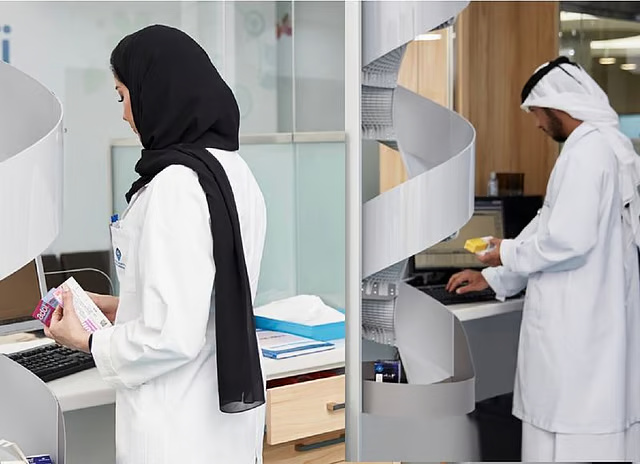
Dubai: The Ministry of Human Resources and Emiratisation, in coordination with the Ministry of Health and Prevention UAE, has introduced new Emiratisation rules for the private healthcare sector requiring that 50% of annual hiring targets be fulfilled through specialised healthcare roles.
Under the policy, private healthcare facilities employing 50 or more staff must meet their mandatory 2% annual Emiratisation quota by evenly distributing hires between specialised medical professions and other skilled roles, in a move aimed at increasing Emirati participation in a rapidly expanding healthcare sector.
The decision follows a comprehensive review of healthcare workforce requirements and aims to boost the number of Emirati professionals—including doctors, nurses, pharmacists, therapists, and other specialists—working in the private healthcare sector.
Under current regulations, private companies with 50 or more employees must raise Emiratisation in skilled roles by 2% annually, with half of the target achieved in the first six months and the remaining half by year-end. The latest amendment maintains the overall quota but revises its structure, requiring a greater share of Emirati hires to be placed in specialised healthcare positions.
Farida Al Ali, Assistant Undersecretary for National Talents at the Ministry of Human Resources and Emiratisation, said the initiative reflects ongoing efforts to empower Emiratis and increase their participation in healthcare careers, while also strengthening the long-term sustainability and quality of services in the private healthcare sector.
She added that specialised healthcare roles provide strong opportunities for career development, stability, and job security, making them increasingly attractive to UAE nationals. She also called on healthcare providers to review workforce plans and ensure compliance with the updated requirements, especially those that have already met the first-half Emiratisation targets for 2026.
On job placement, she encouraged healthcare facilities to post vacancies through the Nafis platform, which connects employers with qualified Emirati job seekers, ensuring recruitment aligns with approved healthcare professions.
Commenting on the initiative, Abdullah Ahli, Acting Assistant Undersecretary for the Support Services Sector at the Ministry of Health and Prevention UAE, said the policy reflects a coordinated government effort to build a sustainable healthcare ecosystem supported by highly skilled national talent.
He added that allocating 50% of Emiratisation targets to healthcare-specific roles is part of a broader strategy to expand Emirati participation across the sector while creating stable and rewarding career opportunities in a growing industry.
Compliance with the new requirement will be evaluated starting in 2027, the ministry said. Private healthcare providers that fail to maintain the mandated 50–50 split between Emiratis in specialised healthcare roles and other skilled positions will be subject to financial penalties.
The announcement comes amid steady growth in Emirati participation in the private healthcare sector. By the end of 2025, more than 8,800 Emirati professionals were employed in private healthcare facilities across the UAE, with women making up 82% of this workforce.
Officials said the measure aligns with the UAE leadership’s broader vision to expand Emiratisation opportunities and supports the extension of the Nafis programme until 2040, aimed at strengthening the competitiveness of Emirati talent and increasing their contribution to the country’s economic and social development.

