

School-run shortcuts and poor driving habits are worsening UAE peak-hour traffic.
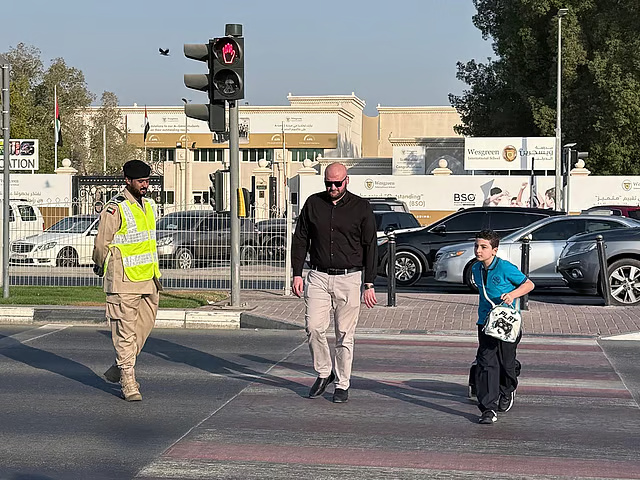
Dubai: UAE roads have become noticeably busier since schools reopened, with school runs adding to the usual peak-hour rush as families return from their summer breaks and parents head back to work.
According to the latest data from the RTA, around 47 per cent of students travel to school by private vehicle. While improved safety measures and greater awareness have helped Dubai record zero traffic fatalities at school sites since 2010, congestion continues to be a challenge.
Heavy traffic is inevitable during peak hours, but certain driving habits can disrupt the flow of traffic, create bottlenecks and worsen delays — even on alternative routes.
School-run driving habits that can make UAE traffic worse
During the school run, congestion is often worsened not just by the sheer number of vehicles on the road, but also by everyday driving behaviours, according to Dr Suzanne Accetta, CEO of First Driving Centre.
“Sudden lane changes, last-minute merging, unnecessary braking, using mobile phones while driving, blocking junctions, and stopping or double-parking near school entrances can quickly disrupt the flow of traffic,” Accetta said.
Another common issue is motorists trying to save a few minutes by frequently changing lanes or pushing into queues. “In heavy traffic, this rarely saves meaningful time and can instead create a ripple effect of braking that slows everyone behind,” Accetta said.
Around schools, patience and anticipation are particularly important. “Drivers should plan their journey with additional time, maintain safe distances, follow designated drop-off areas, avoid blocking access points, and remain alert for children, school buses and pedestrians,” she said.

Accetta noted that good driving is not simply about controlling a vehicle, but also about understanding how individual decisions affect everyone else on the road. “Small improvements in driver behaviour, when adopted collectively, can make the school run safer, smoother and less stressful for the entire community,” she added.
During the school run, congestion is driven not only by the number of vehicles on the road but also by everyday driving behaviours. Sudden lane changes, last-minute merging, unnecessary braking, mobile phone use while driving, blocking junctions, and stopping or double-parking near school entrances can quickly disrupt traffic flow and worsen delays.
How small mistakes at junctions can cause major delays
The driving behaviours that contribute most to congestion are often not dramatic, but small, everyday habits that motorists may not realise are disrupting traffic flow, according to Jaber Al Harbi, Managing Director of Bin Yaber Driving Institute.
“Stopping inside a yellow box junction blocks the entire intersection when the light changes. It’s one of the most common causes of gridlock near schools in the morning. Double-parking for a quick drop-off forces moving traffic into a single lane and creates a bottleneck that can take 10 minutes to clear after one car leaves,” Al Harbi said.
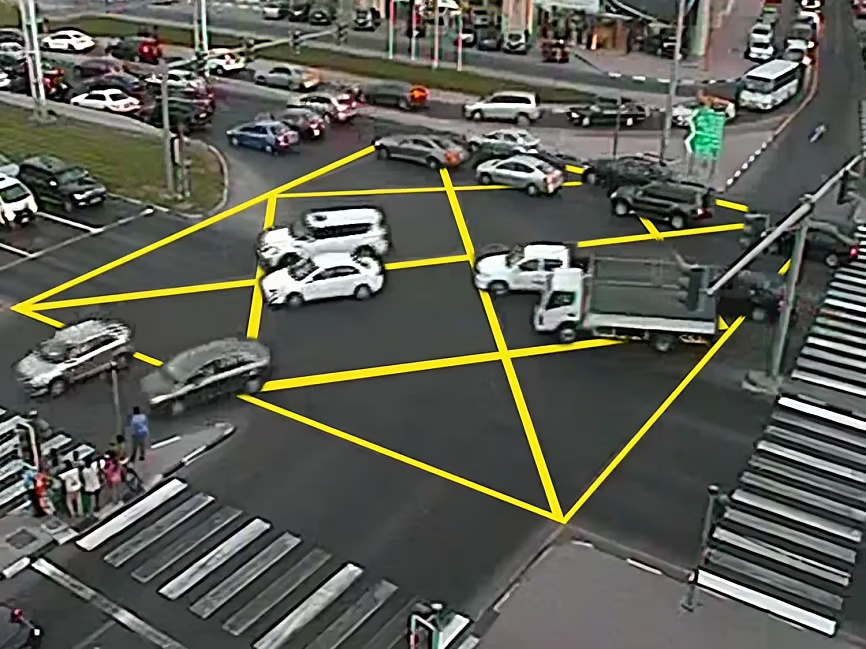
The traffic-light mistakes that can slow everyone down
He also highlighted two common issues at traffic lights that many drivers may overlook.
“Leaving three or four car-lengths of empty space in a queue means fewer cars clear the junction during each green phase. The driver may think they are being cautious, but they are actually extending the wait for everyone behind them. And a driver who looks down at their phone for two seconds when the light turns green can delay every car behind them,” he explained.
“Multiply that across a dozen lights on a school-run route and you add meaningful minutes to everyone’s journey,” he added.
Your children are watching: Why calm driving matters
Thomas Edelmann, Founder and Managing Director of RoadSafetyUAE, said the first week back at school can be stressful for motorists, but parents should remember that their children are watching and learning from their behaviour behind the wheel.
“Children mirror our behaviour. We follow the role-model approach and understand that our children are watching us while driving. That should encourage parents to be more relaxed and calmer behind the wheel,” he said.
Edelmann urged parents to allow extra time for their journeys, even when the distance between home and school is relatively short. A journey that would normally take 20 minutes, for example, could require motorists to allow 40 to 45 minutes during the school run because of heavier traffic.
“There are a lot of things to focus on when driving near schools — students crossing the roads, buses stopping and also trying to pay attention to your kids in the car. It can get overwhelming, so any irritated or aggressive behaviour can impact your children and your driving,” he said.
“Children mirror our approach. That means having proper time management and following traffic rules. If we follow the role-model approach and understand that our children are watching our behaviour while driving, it should encourage parents to be more relaxed and calmer behind the wheel,” he said.
Dubai-based Austrian expat Thomas Edelmann, Founder and Managing Director of RoadSafetyUAE, said the everyday nature of commuting is what makes road safety particularly important.
Why traffic can suddenly stop for no obvious reason
Not every traffic jam is caused by an accident, roadworks or a high volume of vehicles. Even when motorists are following the rules, traffic can slow down or come to a complete stop without any obvious cause.
“This is known as phantom traffic, which is a sudden slowdown or stop on a road that happens without any obvious cause, like an accident or roadwork,” Edelmann explained.
He cited a 2008 study in Japan, where researchers found that traffic could form even when cars were travelling in a loop at a constant 30 km/h, with enough space to maintain a safe following distance. There were no lane changes, road signs, construction work or other obstacles — yet a traffic jam still developed.
“Yet within about a minute, a traffic jam formed. The research team found that it only takes one driver going slightly too slowly, or getting nervous about their following distance and giving the brakes the tiniest tap.”
That small change can ripple through the line of vehicles, with each driver braking slightly harder than the one ahead. By the time the effect reaches the back of the queue, motorists may be forced to slow to a crawl or come to a complete stop.
Key points for UAE motorists
Al Harbi highlighted several important rules for parents to follow during school pick-ups and drop-offs:
Child safety
Children under four must be secured in an approved child seat, while children under 10 or shorter than 145cm are not permitted to sit in the front passenger seat. Violating either rule carries a Dh400 fine. Drivers must also ensure that all passengers are wearing seatbelts.
Parking
Stopping on a pedestrian crossing or double-parking carries a Dh500 fine, while obstructing pedestrian movement can result in a Dh400 fine.
School-zone speeds
Fines for exceeding posted school-zone speed limits range from Dh300 to Dh3,000, depending on the severity of the offence.
Distractions
Using a mobile phone while driving carries a Dh800 fine and four black points. Other distractions, including turning around to speak to a child, adjusting the radio or reaching for something, carry the same penalty.
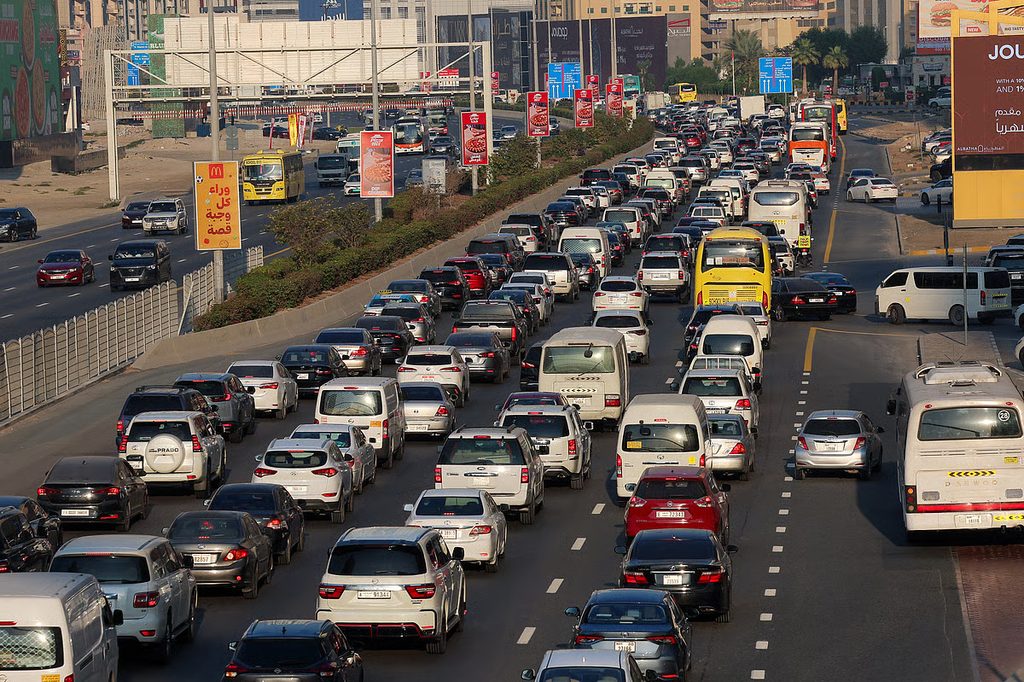
Ultimately, congestion is not always caused by the number of vehicles on the road. Individual driving behaviours and small disruptions can also have a ripple effect, contributing to longer delays for everyone.

