

Graduate, technical and leadership programmes are equipping Emiratis with the skills needed for careers in the clean-energy sector.
Abu Dhabi: As the UAE observes International Youth Day, TAQA Transmission is making youth development a key part of its workforce strategy, aligning with Abu Dhabi’s Economic Vision 2030 and the UAE’s Net Zero 2050 goals. As the company expands investments in grid resilience, smart networks and next-generation infrastructure, it is also focusing on developing the young Emirati talent needed to lead and operate these systems in the future.
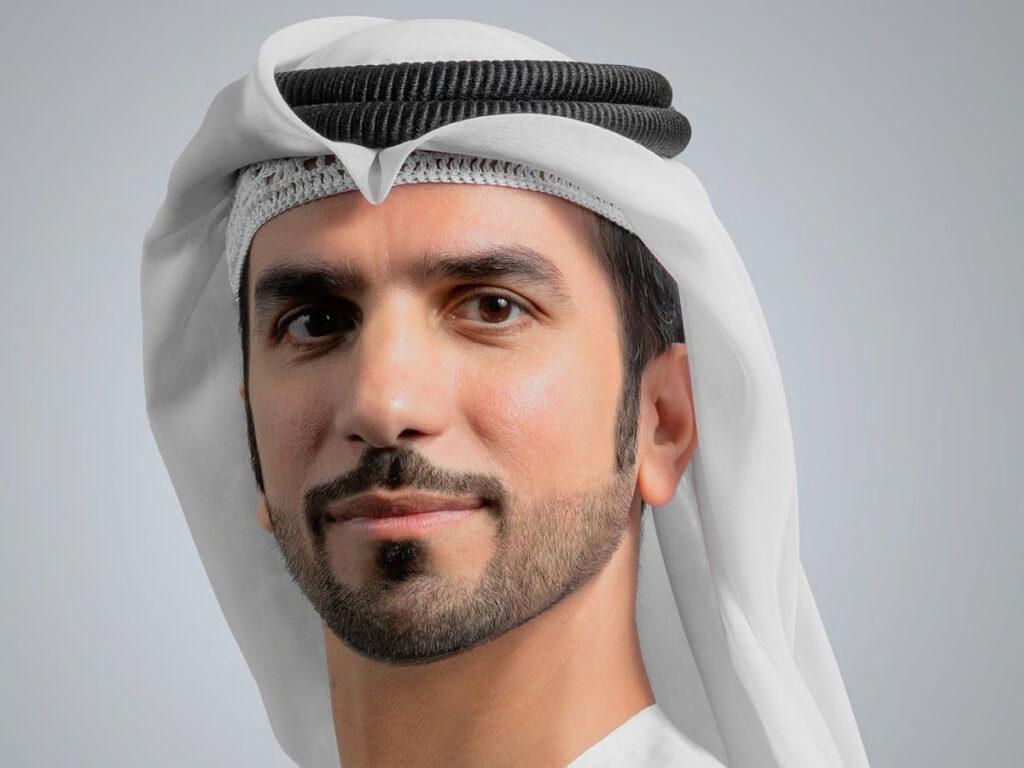
Spoke with Bader Al Hammadi, Chief Corporate Services Officer at TAQA Transmission, to mark the occasion and explore how the company is developing its next generation of leaders. Its initiatives range from early-career programmes such as ETLAQ to leadership development tracks including LEAD and Aspire to LEAD.
International Youth Day is an opportunity to reflect on how we can prepare young people for the future. Abu Dhabi’s Economic Vision 2030 places strong emphasis on developing future-ready skills among youth. How does TAQA Transmission support this goal?
At TAQA Transmission, developing future-ready talent is a core part of our strategy for the future. Our approach aligns closely with Abu Dhabi’s Economic Vision 2030 and the UAE’s broader national priorities.
We do this by building a skilled and diverse workforce with the technical and digital capabilities required to navigate the energy transition. From grid resilience and smart networks to complex system operations, we are preparing young Emiratis to lead and manage advanced, technology-driven infrastructure that supports the UAE’s economic growth and sustainability goals.
Through targeted initiatives such as the ETLAQ Programme, we provide the next generation of Emirati leaders with the tools, mentorship and technical knowledge needed to help shape a cleaner, smarter and more resilient energy future.
Why should young people consider a career in the energy and utilities sector today?
The UAE’s Net Zero 2050 Strategic Initiative is expected to generate more than 200,000 job opportunities, including over 50,000 green jobs by 2030. These opportunities will span fast-growing areas such as solar energy, clean-power transmission, battery storage and green hydrogen.
At TAQA Transmission, we are at the heart of this transition, giving young Emirati talent an opportunity to pursue careers driven by a strong national purpose — strengthening energy security, developing resilient infrastructure and advancing sustainability. Through early involvement in projects and direct exposure to next-generation technologies, young professionals can gain valuable hands-on experience and build operational expertise from the outset.
The energy and utilities sector places young Emiratis at the forefront of major national projects, giving them practical experience with emerging technologies while allowing them to contribute directly to the UAE’s sustainability goals. By taking on these high-impact roles, future leaders can accelerate their professional growth while helping shape the nation’s low-carbon future.
What has TAQA Transmission developed in terms of learning and development to give young Emiratis meaningful hands-on experience early in their careers?
Through our ETLAQ initiatives, we connect academic knowledge with practical, real-world experience through three specialised pathways. The ETLAQ Graduate Programme is a comprehensive 12-month programme designed to provide Emiratis with valuable technical exposure. The ETLAQ Technician Programme, delivered in collaboration with TAQA Distribution and supported by the Department of Energy (DoE), focuses on operational skills. Meanwhile, the ETLAQ Frontliners Programme, launched in 2025, prepares participants with essential frontline operational capabilities.
Together, these programmes provide young professionals with technical expertise, industry mentorship and practical experience, helping them develop the skills and confidence required to contribute effectively from the very beginning of their careers.
By creating these specialised pathways, we ensure that young Emiratis enter the workforce equipped to make an immediate impact, with practical experience and operational credibility from day one. Through hands-on exposure to advanced technologies and a strong connection to national priorities, we empower the next generation to help shape and lead the UAE’s low-carbon, technology-driven future.
Once young talent is trained, how does TAQA Transmission keep them engaged and committed to long-term growth within the company?
Effective retention begins with creating a strong sense of purpose and belonging, while fostering a workplace that actively supports and develops young leaders. We do this through four key pillars.
First, we provide structured leadership development through initiatives such as our LEAD and Aspire to LEAD programmes. Together, these programmes have supported more than 70 participants, helping accelerate the development of UAE national talent and strengthen our future leadership pipeline.
Second, we encourage early ownership by giving young Emiratis opportunities to contribute to business strategy through our Youth Council, innovation initiatives and peer-coaching networks.
Third, as an officially certified Parent-Friendly+ employer, we provide flexible workplace policies that help employees balance career development with family responsibilities, supporting long-term engagement and loyalty.
Finally, we connect everyday responsibilities to a broader national purpose. When young professionals understand how their work contributes directly to the UAE’s energy security and supports its Net Zero 2050 ambitions, they are more likely to remain committed to building their careers and taking on leadership roles within the organisation.
How does TAQA Transmission collaborate with government and academic partners to ensure its training programmes remain aligned with industry needs?
Strong collaboration between industry, government and academia is essential to bridging the gap between classroom learning and real-world application. We work closely with regulatory bodies such as the Department of Energy (DoE) and the Department of Education and Knowledge (ADEK), while also partnering with leading universities and academic institutions across the UAE.
A strong example is our strategic partnership with Khalifa University, through which Emirati engineering students gain internship opportunities and direct exposure to real-world power transmission projects. Interns are integrated into critical operations and conclude their programmes by presenting their key learnings and tangible project contributions to senior leadership at TAQA Transmission and university faculty.
We are also extending this approach to commercial capabilities through the Emirati Procurement and Innovation Capability (EPIC) Programme, launched in partnership with Efficio. The two-year programme combines strategic consulting with hands-on experience within our Procurement Department.
Together, these initiatives ensure that learning remains closely connected to evolving industry requirements while strengthening national capabilities and building a workforce equipped for the future.
What qualities or mindset do you believe young people need to succeed in a sector like this?
For young professionals entering the utilities sector, success depends on three key qualities: adaptability, resilience and authentic leadership. They need a willingness to tackle complex challenges, learn continuously and take on high-impact responsibilities early in their careers.
Understanding that their work helps connect clean-power generation with communities and industries across the UAE gives their careers a strong sense of purpose. It also enables them to play a meaningful role in shaping the country’s energy future.
This mindset reflects the core values of TAQA Transmission, particularly our commitment to innovation, collaboration and forward-thinking problem-solving. Over the next decade, our global competitiveness will increasingly depend on developing national talent with the advanced digital and technical skills needed to operate and manage increasingly sophisticated infrastructure.

