

Air Suvidha: What passengers travelling to India need to know during the health alert.
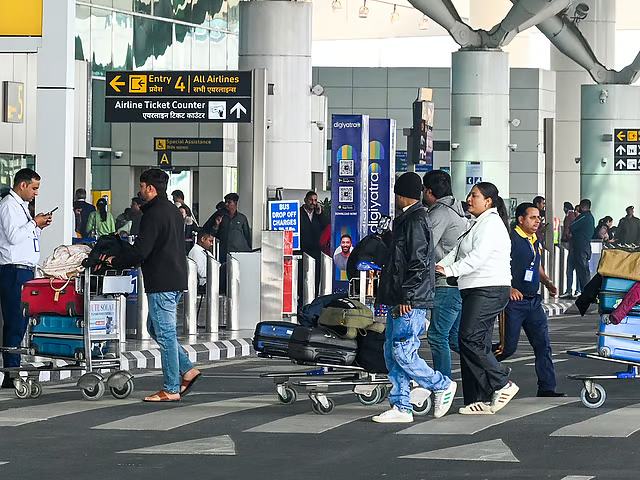
The Bureau of Immigration has issued an advisory reminding all passengers arriving in India to complete the mandatory Air Suvidha Self-Declaration Form (SDF) before arrival.
The requirement applies to:
- Indian passport holders
- Overseas Citizen of India (OCI) cardholders
- Foreign passport holders
The form is compulsory for all international arrivals, regardless of nationality or travel history, amid the ongoing Ebola outbreak.
In its advisory, the Bureau of Immigration urged passengers to submit the form before beginning their journey and ensure all required information is accurate. This will help facilitate arrival clearance and enable health authorities to provide assistance where necessary.
UAE travellers: What you need to know
UAE residents travelling to India must complete the form online within 24 hours before arrival. Passengers are advised to submit it before boarding, preferably while checking in online.
The form is free and can be accessed through the official Air Suvidha portal: https://airsuvidha.civilaviation.gov.in/
What should you keep ready?
Before starting the application, keep the following details and documents handy:
- Valid passport and Indian visa, if applicable
- Flight ticket or boarding pass
- Address of your stay in India
- Travel history and details of overseas transit stops
- Medical reference letter, if applicable
- Active mobile number and email address for OTP verification
All fields marked with an asterisk (*) must be completed.
How to complete the Air Suvidha form
- Enter personal and travel details: Provide your passport information, nationality, flight number, first airport of entry in India and travel history for the previous 21 days.
- Add transit details: List all overseas transit stops. If your journey includes multiple stops, use the ‘Add Transit Row’ option.
- Verify your contact details: Enter your address, mobile number and email address, then complete the OTP verification process.
- Complete the health declaration: Answer questions about potential Ebola exposure and relevant symptoms, including fever or bleeding. Further questions may appear depending on your travel and exposure history.
- Submit and save the acknowledgement: Review your details, complete the consent declaration and submit the form. Download the acknowledgement and keep it accessible throughout your journey.
What happens on arrival in India?
Passengers may be asked to present their Air Suvidha acknowledgement at the International Travel Health Desk.
Most travellers can continue through the usual arrival procedures. However, an Airport Port Health Officer may carry out additional screening based on the information submitted.
The digital system enables health and immigration authorities to share information and identify passengers who may require further assessment.
Air Suvidha: Frequently asked questions
Do I need to complete the form if I have not visited an Ebola-affected country?
Yes. The form is mandatory for all international passengers arriving in India, regardless of their nationality or travel history.
Is the form free?
Yes. Air Suvidha is a free government service. Passengers should use only the official portal: https://airsuvidha.civilaviation.gov.in/
What if I have multiple transit stops?
Enter each overseas transit stop separately using the ‘Add Transit Row’ option.
What if I arrive without completing the form?
Follow airport staff instructions and approach the International Travel Health Desk for assistance. Completing the form before departure is recommended to help avoid delays.
Why has India reintroduced Air Suvidha?
India has strengthened health screening at international entry points following the World Health Organisation’s May 17, 2026, declaration of the Ebola/Bundibugyo virus disease outbreak in the Democratic Republic of the Congo and Uganda as a Public Health Emergency of International Concern.
The upgraded Air Suvidha 2.0 portal is designed to support information-sharing between airport health officials, immigration authorities and disease surveillance teams, helping identify and refer travellers who may be at risk.

