

EASA extends Gulf airspace warning through September 30 as airlines adjust flight schedules.
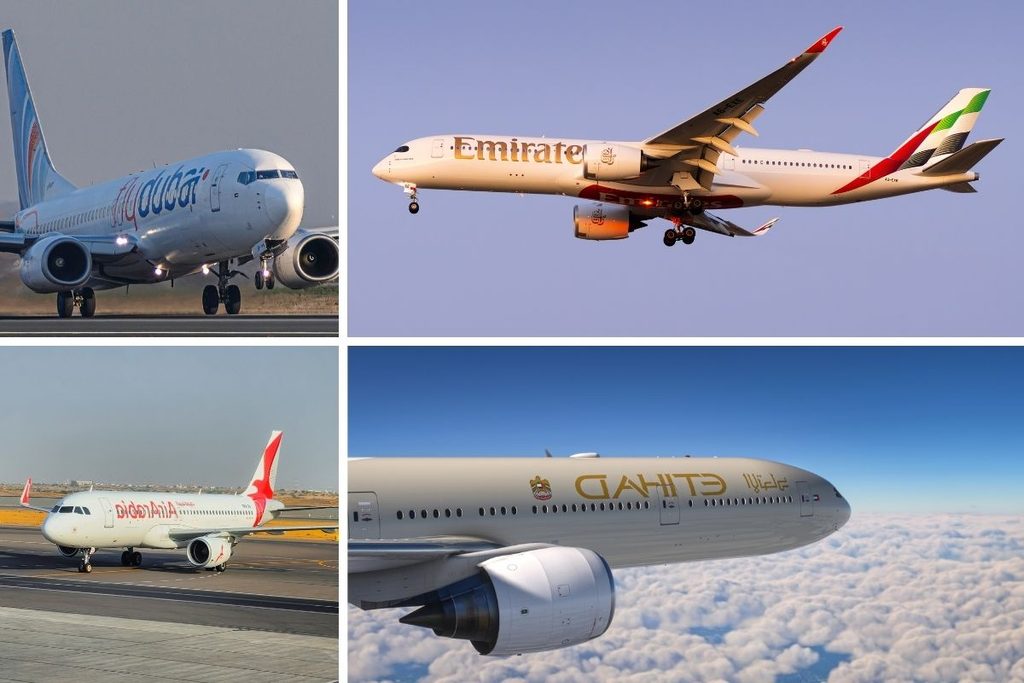
Dubai: September has begun with continued uncertainty for UAE air travellers, as airlines operate amid a volatile regional security situation. Several flights have been delayed or cancelled, while international carriers continue to suspend some services to and from the UAE.
The European Union Aviation Safety Agency (EASA) has extended its Conflict Zone Information Bulletin (CZIB) for the Gulf until September 30, citing continued risks linked to the US-Iran conflict. Meanwhile, Dubai airports are preparing for increased passenger traffic as residents and visitors return from their summer holidays.
Conflict intensifies
Direct hostilities between Washington and Tehran have resumed this week following a month-long lull, with US forces striking two Iranian rocket launchers on Larak Island near the Strait of Hormuz. Iran responded by launching ballistic missiles towards US positions in Jordan.
The latest escalation comes six months into the conflict, with Iran having closed the Strait of Hormuz and Iranian ports facing a US naval counter-blockade, according to the supplied notes. Oil flows through the strait have recovered to around two-thirds of pre-war levels, but the renewed military exchanges are once again raising concerns over regional security and global markets.
Against this backdrop, EASA extended the validity of its Conflict Zone Information Bulletin (CZIB) on August 31 until September 30, while revising its recommendations to reflect the latest risk assessment. The warning applies to all altitudes and flight levels within the Bahrain, Kuwait, Doha, Emirates and Muscat flight information regions (FIRs).
The agency advises operators against flying over waters in the Arabian Gulf within the affected FIRs, except where necessary for arrivals and departures at airports located within those regions.
EASA also recommends that operators maintain up-to-date risk assessments and contingency plans, while closely monitoring developments in the region.
UAE and regional airlines
Etihad Airways
Passengers are advised to check their individual flight status before travelling, as schedules may change at short notice.
- Abu Dhabi–Bahrain: EY647 has arrived.
- EY641: Delayed.
- EY643 and EY645: Scheduled.
- Abu Dhabi–Kuwait: EY653 is scheduled.
Emirates
- Dubai–Bahrain: EK837 and EK839 are scheduled.
- Dubai–Kuwait: EK857 is scheduled.
- Dubai–Nairobi: EK717 and EK719 are cancelled.
- Dubai–São Paulo: EK261 is delayed.
- Dubai–Bali: EK398 is delayed.
- Dubai–Glasgow: EK027 is delayed.
- Dubai–Antananarivo: EK707 is delayed.
- Dubai–Guangzhou: EK362 is delayed.
- Dubai–Newark: EK209 is delayed.
Passengers are advised to check the latest updates through Emirates’ official channels before travelling.
flydubai
flydubai advises passengers departing from Dubai to arrive at least four hours before their scheduled departure, complete online check-in where available and check their flight status before travelling.
Air Arabia
- G9068: Sharjah–Kuwait
- G9124: Sharjah–Kuwait
- G9107: Sharjah–Bahrain
- 3L020: Abu Dhabi–Kuwait
Other flights from Dubai are also being affected.
Cancellations
- Kenya Airways KQ311: Dubai–Nairobi
- flynas XY502: Dubai–Jeddah
- Qeshm Airlines KQ2224: Dubai–Lar
- Iraqi Airways IA120: Dubai–Kirkuk
Delays
SpiceJet flights
- SG5023: Dubai–Mumbai
- SG052: Dubai–Pune
- SG5156: Dubai–Amritsar
- Airblue PA411: Dubai–Lahore
- Kenya Airways KQ305: Dubai–Nairobi
International carriers
Several international airlines continue to adjust their Middle East schedules:
- Air Canada: Dubai services suspended until mid-January 2027.
- British Airways: Dubai, Tel Aviv, Bahrain and Amman services suspended until October 25.
- Singapore Airlines: Dubai services suspended until October 24.
- KLM: Dubai, Riyadh and Dammam services suspended until September 6.
- Philippine Airlines: Dubai services suspended until October 2.
- Lufthansa and Swiss: Dubai services suspended until September 13.
- Turkish Airlines: Abu Dhabi and Dubai services have resumed, while flights to Iran remain suspended.
The differing timelines highlight how airlines are making individual operational decisions based on their own risk assessments and the evolving regional security situation.
What travellers should keep in mind
For UAE passengers flying today:
- Check your specific flight status before leaving home, even if your booking was previously confirmed.
- Arrive at least three hours before departure, or earlier if advised by your airline.
- Allow four hours when flying from Dubai with flydubai, in line with the airline’s guidance.
- Complete online check-in where available.
- Allow extra time for road traffic, check-in, security and immigration.
- Make sure your contact details are up to date with the airline so you receive disruption alerts.
- Be prepared for last-minute delays, cancellations or schedule changes.
- Follow official airline and airport channels for the latest updates.

