

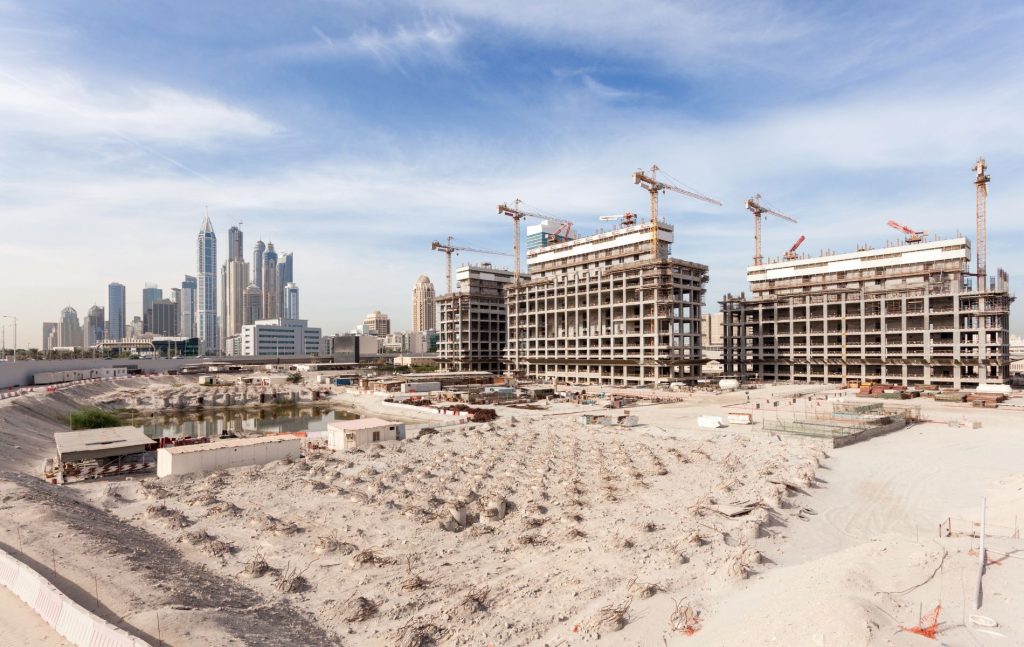
Dubai: Buying off-plan property has become one of the most popular ways to enter Dubai’s housing Market, appealing to first-time buyers, long-term residents and investors looking to spread payments over several years. The model offers lower entry prices, flexible payment plans and the potential for capital appreciation before handover. It also comes with commitments that differ sharply from buying a ready home, especially around cash flow, timelines and financing.
With more than 160,000 units launched in Dubai last year, according to Arada Research, the off-plan market has expanded rapidly, giving buyers unprecedented choice. That scale has also made due diligence more important than ever, since price alone is no longer a reliable signal of value.
Understanding the upfront costs
Every off-plan buyer starts with the same mandatory charge. Dubai Land Department levies a 4% registration fee on the property value, typically paid at the time of signing the Sales and Purchase Agreement and often bundled with the down payment.
Amany Rajab, Senior Research Manager at Arada, said buyers should treat this cost as non-negotiable and plan for it early. “The DLD fee is a standard requirement on off-plan purchases and is usually settled when the SPA is signed,” she said. “It should be factored into the total cost from the outset, alongside the booking amount.”
Additional charges can also apply. Eddy Nemri, Vice President of Sales at Object 1, said buyers should expect trustee or administrative fees depending on the project. “These usually range from around Dh580 to Dh4,000,” he said, adding that Oqood registration is required for off-plan transactions and is often included within developer fees, though it can sometimes appear as a separate line item.
Developers may offer incentives such as DLD fee waivers, though Rajab cautioned buyers to look at the full pricing structure to understand how those offers are applied.
“One of the most important things for buyers is to ensure the project is RERA-registered and that funds are secured in a proper escrow account, which safeguards their investment throughout construction.”
Mikhail Podkopaev
Sales Director at MERED
Agent fees and where buyers save
One clear cost advantage of buying off-plan is brokerage. Rajab said buyers do not pay agent commission on off-plan transactions since developers typically absorb that expense.
Nemri agreed, saying, “In most off-plan transactions, the buyer pays zero brokerage fees, which reduces the overall cost of buying.” He noted that the difference becomes clearer when compared with resale properties, where buyers often pay around 2% commission plus VAT.
Is mortgage approval needed upfront?
Off-plan purchases usually begin without bank involvement. Rajab said pre-approval is not required unless the buyer intends to use financing, since the initial stages involve booking and construction instalments paid directly to the developer.
Nemri said mortgage pre-approval becomes relevant only when a buyer plans to borrow, typically closer to completion. “Pre-approval generally takes three to seven working days and is valid for 60 to 90 days,” he said. Many buyers reserve early and arrange financing later, though that approach assumes income and credit profiles remain stable.
Payment plans that dominate the market
Payment plans shape affordability more than headline prices. Rajab said Arada Research has seen strong demand for 50/50 and 60/40 structures, where most payments are made during construction and the balance is settled at handover. “Post-handover payment plans are becoming less common,” she said, reflecting high absorption and developer confidence.
“It is essential to research the developer’s track record and past delivery history before committing. Buyers should also understand expected service charges early, as these affect long-term affordability.”
Eddy Nemri.
Vice President of Sales at Object 1
Nemri said buyer-friendly structures still exist, especially in competitive launches. “Payment plans such as 60/40 or 70/30, with lower initial down payments and construction-linked milestones, tend to reduce financial pressure.” He added that post-handover plans, when offered, allow investors to start generating rental income before completing all payments.
Mikhail Podkopaev, Sales Director at MERED, said buyers should focus on predictability. “Understanding staged payments and annual service charges is essential,” he said. “It allows buyers to plan ownership in a structured way and avoid surprises later.”
Managing costs while still renting
For end users, the most demanding phase is the construction period, when rent and instalments overlap. Rajab said UAE residents typically allocate around 30% of income to housing, though off-plan buyers must cover both commitments from personal funds, since mortgages are generally available only after completion.
She warned that personal loans may bridge shortfalls but carry higher interest rates. “Careful budgeting is essential during the construction phase,” she said.
Nemri offered a bank-style guideline. “A commonly used benchmark is to keep total monthly financial commitments within 50% of income,” he said, noting buyers should include service charges, utilities and maintenance costs while maintaining an emergency buffer.
Podkopaev said even high-end buyers should understand ongoing costs. “Service charges form part of the ownership experience and should be planned from the beginning,” he said.
Loan eligibility and credit score
Mortgage eligibility typically comes into focus at handover. Rajab said credit history plays a key role at that stage, influencing approval chances and interest rates. “Credit score becomes relevant at completion if the buyer plans to finance the remaining balance,” she said.
Nemri said most banks require a minimum monthly salary of around Dh10,000 for UAE nationals and Dh15,000 or more for expatriates, alongside stable employment and six months of bank statements. “A strong credit score improves loan-to-value ratios and access to better rates,” he said.
“After purchasing an off-plan property, the buyer’s main responsibility is to follow the agreed payment schedule. It’s also important to track construction progress, either through updates from the developer or via the Dubai REST app or RERA website, which provide official project status and completion timelines.”
Amany Rajab
Senior Research Manager
Location and delivery
When it comes to choosing where to buy, Rajab said developer reputation matters as much as location. “Quality and timely delivery are critical,” she said, adding that buyers should also consider well-performing communities beyond Dubai.
Nemri highlighted areas frequently evaluated by investors, including Jumeirah Village Circle, Business Bay, Dubai Land Residential Complex, Dubai Islands and Dubai South, though he stressed alignment with the exit strategy.
Podkopaev said location should reflect lifestyle and long-term value. “Design, quality and demand over time matter more than entry price alone,” he said.
What happens after signing
Once the Sales & Purchase Agreement is signed, buyers follow the developer’s payment schedule, with all funds held securely in a RERA-regulated escrow account to provide protection throughout construction. Podkopaev said, “As the project nears completion, the final payment is made, the title deed is registered with the DLD, and any mortgage funds are released by the bank.
“After handover, owners begin paying service charges and taking care of their property, which is why understanding these ongoing commitments is just as important as the purchase itself,” he added. “This process ensures that ownership is secure, transparent, and predictable, giving buyers confidence in their investment from start to finish.”
Rajab advised buyers to track progress through official platforms such as the Dubai REST app or RERA website. Podkopaev said understanding service charges and long-term obligations early ensures a smoother ownership experience.
Off-plan buying remains one of Dubai’s most accessible paths to ownership. The buyers who benefit most are those who understand the full picture, from fees and payment plans to credit readiness and delivery risk, before committing.

