

The project pioneers a smart, decentralized energy model designed to support future-ready infrastructure.
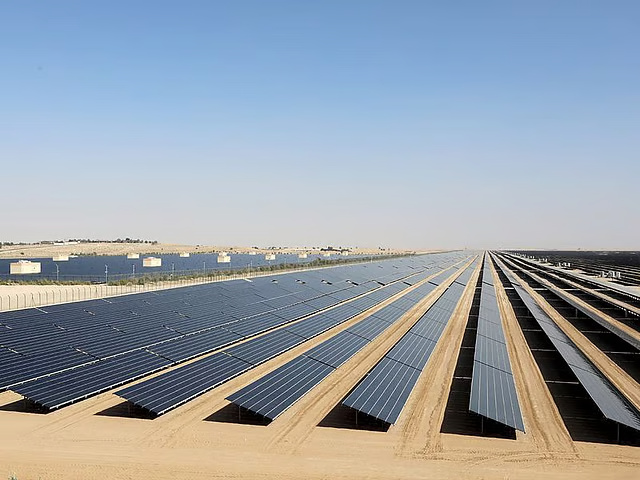
ABU DHABI: The Ministry of Energy and Infrastructure has launched an innovative strategic project to implement microgrid systems, marking a major step toward building a smart, resilient, and adaptive energy ecosystem in the United Arab Emirates.
The initiative aims to enhance energy security, sustainability, and efficiency, while supporting the goals of the “We the UAE 2031” vision in developing advanced, future-ready infrastructure.
The project is the first of its kind in the UAE and was initially developed and implemented in 2025 at the Ministry headquarters in Sharjah, as part of efforts to strengthen national preparedness for power outage scenarios during emergencies and crises.
It adopts an integrated operational model that combines clean energy generation, energy storage systems, and advanced digital energy management technologies.
Sharif Al Olama said the project represents a major shift in building-level energy management—from a traditional system reliant on the central grid to a smart, decentralised model with independent operational capability.
He added that it improves the reliability of electricity supply and ensures continuity of essential services, while also enhancing resource efficiency and reducing both costs and emissions.
Pilot phase results
Sharif Al Olama said the pilot phase of the project delivered measurable operational, environmental, and economic benefits. These included a reduction in annual energy consumption of around 362,000 kilowatt-hours, annual savings of nearly Dh110,000, and a cut of 76 tons in carbon emissions per year.
He added that the project increased the share of solar energy to 30% of the total electrical load and achieved 100% operational resilience during sudden power outages, ensuring uninterrupted services.
He noted that the microgrid initiative represents a significant advancement in building energy system design and operation, aligning with the UAE’s push toward a smarter, more resilient, and more sustainable energy ecosystem.
He further emphasized that the project not only improves operational efficiency but also establishes an integrated national model to ensure continuity of vital services under all conditions and strengthen infrastructure readiness for future challenges.
He stressed that the project’s results show that investing in smart energy solutions is no longer optional, but a strategic necessity to enhance energy security, reduce costs and emissions, and improve overall resource efficiency.
Integration and expansion
He added that the Ministry of Energy and Infrastructure is working with government and private-sector partners to expand this model across the United Arab Emirates, accelerating the shift toward resilient, decentralised energy networks that support both competitiveness and sustainability.
He further noted that the next phase will focus on scaling up the initiative nationwide and developing a national technical and regulatory framework to guide microgrid deployment.
This framework aims to unify efforts and strengthen coordination between federal and local entities, as well as the private sector, ensuring consistent governance and technical standards across future projects.
He concluded that the project is part of a broader national vision to reshape the UAE’s energy landscape by adopting innovative solutions powered by renewable energy and advanced digital technologies.
He added that the initiative will improve infrastructure efficiency, reduce the country’s carbon footprint, and further strengthen the United Arab Emirates’s position as a global model for developing future-ready, sustainable, and resilient energy systems.

