

Hoteliers reported that strong demand is prompting guests to book iftar and suhoor much earlier than usual.
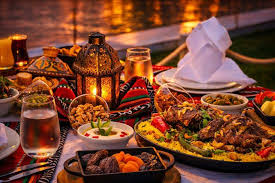
Iftar and suhoor rates at several UAE hotels have risen this Ramadan as demand returns to pre-Covid levels, according to hoteliers.
Industry executives noted that while prices have increased, hotels have also enhanced their offerings. They added that bookings for iftar and suhoor are now being made much earlier than in previous years.
The UAE’s Moon Sighting Committee is set to meet on Tuesday to observe the crescent moon, with the holy month expected to begin on Wednesday or Thursday.
Experiences Take Center Stage in Dubai
Ayman Ashor, General Manager of Al Bandar Rotana and Al Bandar Arjaan by Rotana, stated that iftar and suhoor rates for 2026 have seen a slight, measured increase compared to last year, reflecting overall market conditions and rising operational costs.
He emphasized that the higher rates are paired with enhanced experiences:
“Any adjustment in rates is always matched with a richer experience. This year, we have expanded our buffet selections, added more live cooking stations, and introduced new regional specialties alongside international favourites.”
Ayman Ashor highlighted strong corporate bookings, especially from mid-sized companies seeking more personalized gatherings rather than large-scale events.
“Many organisations are choosing venues that offer flexibility and a more intimate setting for their teams. On the individual side, families are booking earlier and are increasingly selective. Guests are looking for authentic experiences, scenic locations, and venues that combine quality cuisine with a relaxed environment,” he said.
Meanwhile, Yassin Mahmoud, General Manager of The H Dubai, noted that iftar pricing has generally risen across the city in the mid- to luxury-hotel segment compared to 2025.
“Suhoor pricing is more mixed, and the overall market remains wide because hotels are competing with early-bird deals, resident offers, and entry-level iftars.”
He added that many hotels have expanded their offerings to match the higher rates:
“Increases are often tied to a bigger experience: more live stations, upgraded proteins, rotating themes, expanded dessert selections, stronger entertainment, and clearer seating tiers.”
Yassin Mahmoud highlighted that corporate demand is leaning toward banquet-style iftars designed for larger groups, featuring simple packages, clear minimum requirements, and smoother approval processes for gatherings of more than 40 guests.
“On the individual side, bookings are increasingly experience-driven, with guests selecting venues for ambience, live music, standout stations, and overall setting. Suhoor is often treated as a late-night social occasion, placing greater emphasis on seating comfort and atmosphere,” he said.
Demand Returns to Pre-Covid Levels in Northern Emirates
Iftikhar Hamdani, Area General Manager – Northern Emirates at Bahi Ajman Palace Hotel and Coral Beach Resort Sharjah, noted that iftar and suhoor rates for 2026 have risen compared to 2025, driven by stronger demand and ongoing year-on-year recovery.
“Over the past few years, corporate and group iftars have returned to pre-Covid levels, with many companies once again hosting large-scale Ramadan gatherings for their teams and clients,” Hamdani said.
He added that the higher rates are paired with clear enhancements to the overall Ramadan experience.
Enhanced Experiences Drive Ramadan Bookings
Iftikhar Hamdani highlighted that hotels across the UAE are elevating the Ramadan dining experience:
“Across the UAE, hotels are expanding the variety and quality of their buffets, offering a wider selection of traditional Arabic and international dishes, more live cooking stations, and health-conscious options for guests mindful of their diet during Ramadan. Traditional oud performances, live cultural entertainment, and immersive Ramadan-themed décor are now central to the experience,” he said, noting that hotels have doubled their Ramadan décor budgets compared to last year.
“The idea is to create a memorable, authentic, and visually captivating environment. Guests are not just paying for a meal; they are paying for a complete Ramadan experience — from arrival to the end of the evening.”
Decor, Ambience, and Younger Guests
Hamdani pointed to clear shifts in both corporate and individual preferences:
“Corporate clients are no longer seeking only a standard iftar buffet. They now request bespoke Ramadan décor and branding, with a strong cultural and traditional ambience for both iftar and suhoor, especially among younger guests, families, and corporate groups. Many hotels are introducing Ramadan tents or dedicated outdoor venues for suhoor.”
He also noted growing demand for extended late-night hours, shisha-free family areas, and more relaxed, lounge-style seating. Corporate clients are increasingly booking suhoor spaces for the full month, often using voucher systems for staff, customers, or VIP clients.
“Our iftar revenue target this year is around 50 per cent higher than last year, and bookings are happening much earlier than in 2025. To meet demand, we have expanded capacity across our properties,” Hamdani added.
Experience-Driven Gatherings in Abu Dhabi
Remus Palimaru, Managing Director of Rosewood Abu Dhabi, confirmed that 2026 sees “considered pricing adjustments” rather than major increases, reflecting the meaningful nature of Ramadan for residents and visitors.
“Where pricing has changed, it emphasizes enhancing the overall guest experience rather than responding to cost pressures alone. Guests today are more discerning, and pricing strategies account for quality, atmosphere, and service as part of the full Ramadan offering. We have approached pricing carefully, ensuring it remains competitive while maintaining the culinary excellence, service, and ambience our guests expect.”
Palimaru confirmed that any increases in rates are matched by expanded or elevated offerings, underlining that the focus this Ramadan is on experience-driven dining rather than purely price adjustments.
“Hotels are also investing in ambience and enhanced service, recognising that Ramadan dining is about atmosphere, connection, and reflection,” said Palimaru.
In Abu Dhabi, he noted a clear trend toward experience-driven gatherings, particularly among corporate groups. Bookings are becoming more intentional and planned earlier, while individual and small-group guests are increasingly seeking distinctive settings and personalised experiences.
“This reflects a broader desire for depth and authenticity rather than standardised offerings.”

