

Low double-digit vessel transits have been reported in recent days, compared with a near standstill earlier in the conflict.
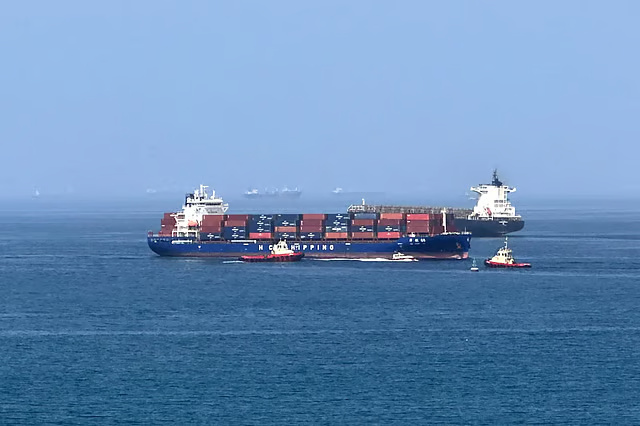
Shipping traffic through the Strait of Hormuz has shown a modest recovery, although activity remains well below normal levels, according to the latest maritime tracking data, as diplomatic efforts between the US and Iran continue following recent hostilities.
Data from MarineTraffic and other vessel-tracking platforms, including Kpler, Windward and Shipfinder, indicate that daily transits have picked up from the near standstill seen earlier in the conflict. While traffic has recovered to low double-digit daily transits in recent days, vessel movements continue to fluctuate and remain significantly below typical levels as shipowners and operators maintain a cautious approach to the region.
Daily ship transits have generally ranged from the low teens to more than 40 vessels in recent days, depending on the 24-hour measurement window, vessel classification (commercial versus all tracked ships), and AIS transmission status. That remains well below pre-conflict levels of around 50–100+ vessels per day.
Windward, for example, reported approximately 25–42 verified or tracked vessel transits on selected days in mid-to-late June. Its data showed around 25 transits on or around June 18, with activity increasing to roughly 42 inbound and outbound transits by June 28, according to some of its tracking dashboards.
Transit breakdowns typically include a mix of oil tankers, cargo vessels and other commercial ships, with some sanctioned or Iran-linked vessels continuing to operate.
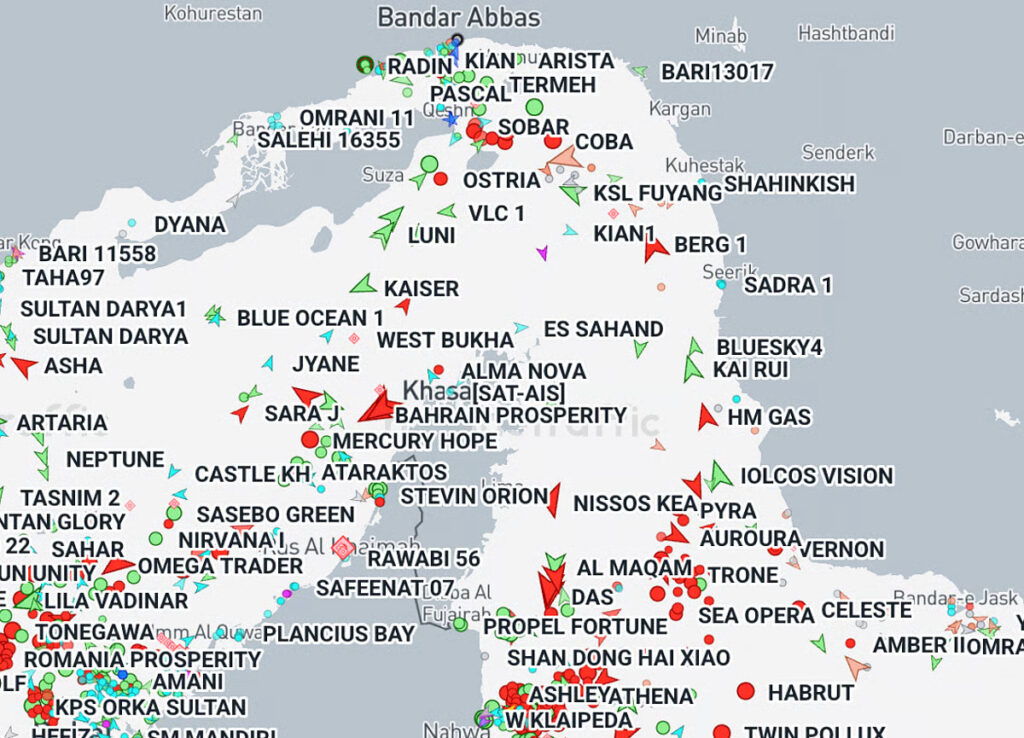
Inbound and outbound flows have varied from day to day, with traffic at times skewed toward one direction as operators adjust routes based on evolving security risk assessments, according to Shipfinder.
Despite the recent improvement, vessel traffic remains significantly below pre-conflict levels as heightened security risks, elevated insurance costs and concerns over attacks on commercial shipping continue to weigh on transit decisions.
Many vessels have also been delayed outside the Strait of Hormuz or rerouted to avoid the area, with intermittent congestion and vessel backlogs reported during periods of heightened tensions.
US President Donald Trump has said the United States and Iran are preparing to resume talks covering issues including the Strait of Hormuz, Iran’s nuclear programme and efforts to de-escalate hostilities. He has also referred to the possibility of meetings, including in Doha, although the timing and scope remain uncertain.
Iran has not fully confirmed all of the reported plans, and media reports suggest there are still disagreements over key issues. Technical and indirect negotiations have continued amid a fragile ceasefire and heightened tensions in the Gulf, according to NPR.

