

Discovery sheds light on the early history of Islamic pilgrimage routes.
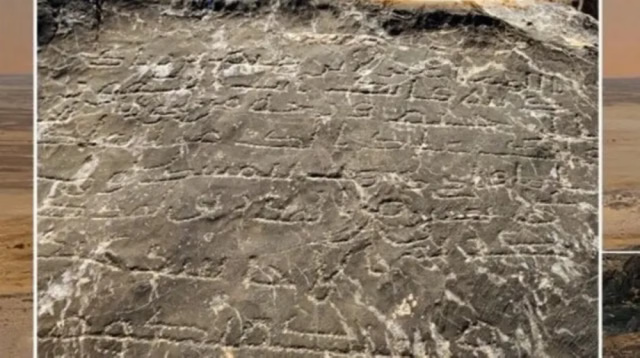
Saudi Arabia’s Heritage Commission has documented an early Islamic inscription dating back to the first century Hijri along the historic Darb Zubayda pilgrimage route in the Hail region.
The inscription was discovered at Dhali’ al-Nis, south of the Samira governorate, on one of the key routes historically used by pilgrims travelling from Kufa to Mecca, the commission said.
Officials said the discovery highlights the site’s historical importance as a key passage for pilgrims, offering further evidence of the wide geographical reach of early Islamic pilgrimage routes.
The inscription, carved on a flat granite rock with quartz veins, contains a supplication seeking forgiveness for a man named Ibrahim ibn Ziyad, along with a quotation from the concluding part of a verse from Surah Al-Baqarah.
Authorities said the content reflects the spiritual and humanitarian themes common in early Islamic inscriptions, underscoring the faith-driven nature of writings left by travellers along historic pilgrimage routes.
The discovery is part of the commission’s broader efforts to document and preserve archaeological sites across the Kingdom, as Saudi Arabia continues to promote its cultural heritage as a living record of human history.
The Heritage Commission said it will continue surveying and recording such sites in order to protect them and enhance their cultural and historical significance.

