

Currency under pressure from oil shock fears, prompting RBI to consider policy balancing acts.
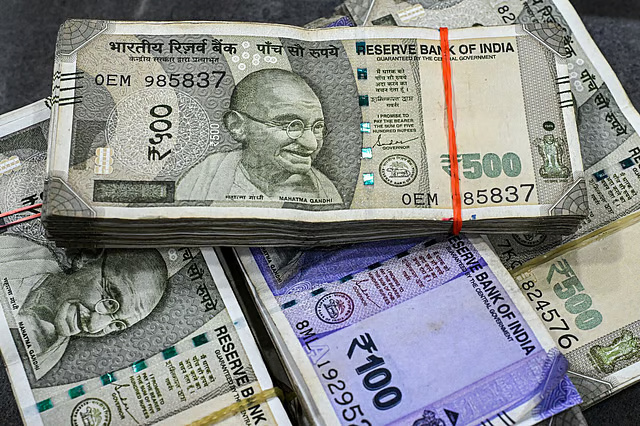
Dubai: The Indian rupee weakened further against the UAE dirham on Wednesday morning, extending a prolonged period of decline that is starting to impact remittance values for residents in the UAE.
At around 9:12 am, Dh1 was valued at 25.57, marking the rupee’s weakest level in recent sessions. Against the US dollar, it traded near 93.93, reflecting ongoing pressure from global currency trends and oil-related concerns.
The latest decline pushes the rupee toward the upper end of its recent trading band, indicating growing volatility even as daily fluctuations remain moderate.
Short-Term Swings, Broader Downward Drift
Over the past week, the dirham-to-rupee rate has fluctuated between 25.12 and 25.57, averaging 25.39, with modest volatility of 0.48%. The 30-day trend reveals a more pronounced directional shift, with the pair rising from a low of 24.70 to current highs, averaging 25.07.
Dollar Trends Mirror Dirham Pressure
A similar pattern is visible against the US dollar. Over the past seven days, the rupee has traded between 92.25 and 93.91, reflecting ongoing pressure from global currency markets. The steady drift toward weaker levels suggests that external factors, rather than purely domestic issues, are driving the move.
Oil Shock Adds Pressure
Rising energy prices are a key factor behind the rupee’s decline, as India’s heavy reliance on imported crude makes the currency vulnerable to global shocks.
A recent report by Emkay Research highlighted the complex policy challenges facing the Reserve Bank of India, which must balance competing priorities around inflation, economic growth, and currency stability.
“RBI’s battle is unlikely to be easy, with trade-offs between FX and interest rates,” the report noted, underscoring the challenges of responding to a supply-driven shock.
While direct fuel price pass-through is still partially contained, indirect effects are emerging through inflation expectations and tighter financial conditions, starting to influence currency markets.
RBI Caught Between Growth and Stability
Policy options are increasingly constrained. While supporting economic growth calls for accommodative measures, rising inflation and a weakening currency may require tighter monetary control.
The report highlighted that the threshold for a conventional rate hike remains high, given the supply-driven nature of the shock. Meanwhile, liquidity management and foreign exchange interventions are increasingly crucial in stabilizing markets.
The Reserve Bank of India has continued to intervene, particularly through forward markets, to curb volatility. While these measures have prevented sharper swings, they have also delayed broader liquidity tightening.
Support from the bond market has helped keep yields contained, adding another layer of complexity to the central bank’s policy balancing act.
In the short term, a weaker rupee benefits UAE-based Indians sending remittances, as transfers convert into more rupees, stretching their value further.
At the same time, prolonged rupee weakness can indicate wider economic pressures, including higher import costs and rising inflation in India, which may eventually impact household expenses back home.
The rupee’s path going forward will depend largely on oil price movements and how the RBI manages its policy trade-offs. With crude markets remaining volatile and geopolitical risks unresolved, currency fluctuations are likely to remain a key focus in the coming weeks.

