

Early planning, frozen prices, and bulk promotions are helping families manage their Ramadan spending, while retailers prepare for the season’s peak demand.
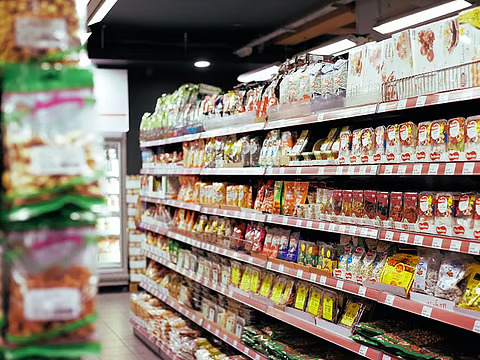
Ramadan with No Price Hikes: UAE Retailers Offer Up to 70% Discounts
Dubai: Shoppers across the UAE are gearing up for Ramadan with confidence, as retailers roll out discounts of up to 70 per cent on essential and festive products while maintaining price stability on key items.
Early Preparation Ensures Stable Prices
Weeks before the crescent moon is sighted, supermarkets have been preparing for Ramadan — in some cases as early as five months in advance. For retailers, the holy month is not just a peak sales period but a carefully orchestrated operation based on forecasting, early supplier negotiations, and promotions designed to ease the financial burden on families.
The UAE Ministry of Economy has confirmed that the prices of nine basic food items will remain unchanged during Ramadan 2026, ensuring essential goods stay affordable throughout the month.
At a press conference at its Al Warqa City Mall headquarters, Union Coop unveiled its Ramadan strategy to support families and maintain market stability. The campaign offers up to 60% off more than 3,000 food and non-food products, including rice, oils, flour, sugar, poultry, eggs, dates, and fresh and frozen items. Prices of over 160 essential goods have been frozen for the month.
CEO Mohamed Al Hashemi said the campaign aligns with the UAE’s ‘Year of the Family’ initiative and national efforts to ease living costs during Ramadan. “We currently offer over 6,000 locally produced products and continue a price reduction and stabilisation initiative launched three years ago,” he added.
Bulk Buying and Promotions
Long-term preparation is key to preventing sudden price fluctuations and supply shortages.
“We prepare Ramadan five months in advance,” said Carlos Fatas Bermudez, General Manager of Alaswaq Alwatania. “We want to avoid price increases that can happen during certain periods of the year. We don’t increase any price during Ramadan.”
Early planning allows retailers to secure supply contracts, lock in prices, and ensure availability during the UAE’s biggest sales period. Promotions on 500 essential products include discounts of up to 70% on items such as oil, rice, flour, water, milk, confectionery, and traditional Ramadan products like syrups.
Predictable Consumption Patterns
Consumer behaviour follows a clear rhythm. Three months before Ramadan, shoppers stock up on long-lasting goods like rice, sugar, and canned foods. In the final week, demand shifts sharply toward fresh produce, dairy, and bakery items.
“There are two different timings for Ramadan consumption,” Bermudez explained. “Three months before is for long shelf-life products. The week before and two or three days before are daily products: yoghurt, fruits and vegetables, groceries.”
Bulk buying has become a defining feature, with families purchasing larger quantities to maximise savings through bundle promotions.
“We prepare bigger quantities with higher discounts than if the customer buys small quantities,” Bermudez said.
To avoid disruptions, retailers diversify sourcing and negotiate volumes months in advance.
“You cannot rely on only one origin or one supplier. We need to diversify,” he added.
Shoppers Strategise Their Purchases
Consumer behaviour has become increasingly strategic. Fifteen days before Ramadan, families start filling trolleys with essentials, sometimes buying in bulk based on anticipated needs.
“They calculate for the full period of Ramadan and buy their essentials,” Bermudez said.
Preparations vary by retailer size and supply network. Jithin Janardhanan, department head at Al Hoot Hypermarket, said preparations typically intensify about a month before Ramadan, especially for fast-moving food and beverage products. Staples such as rice, flour, sugar, cooking oil, lentils, and dates, as well as frozen items, vermicelli, and traditional Ramadan foods, see significant demand. Beverages like laban, yoghurt drinks, and traditional juices are also highly sought-after.
Non-food items, including household goods, experience higher turnover, while clothing sales rise closer to Eid as families prepare for celebrations.
Data-Driven Retail Strategies
Retailers closely monitor market trends and concentrate promotions over weekends when footfall peaks. To prevent shortages, inventory levels for fast-moving items are increased, with additional buffer stock maintained. Purchasing activity often spikes toward the end of the month when salaries are credited.
Balancing Tradition and Practicality
For many households, higher spending reflects both increased consumption and the spirit of generosity that defines Ramadan.
“During Ramadan, we need more products because we cook more and give out more food,” said Khawla Essa, a consumer. “I prepare meals for my family as well as to share with neighbours.”
As retailers rely on data, diversified supply chains, and early negotiations to keep shelves stocked and prices stable, shoppers are blending tradition with increasingly calculated spending, making Ramadan a season defined by both generosity and careful planning.

