

Work hours may be shorter, energy levels may fluctuate, and evenings often revolve around Iftar gatherings and prayers; being patient, flexible, and understanding during this time is appreciated
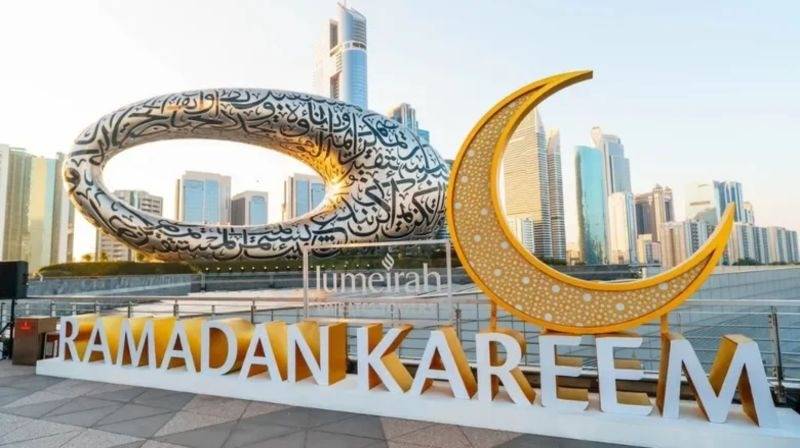
Before Ramadan begins (predicted to fall on February 19), it is important to consider a few points, especially as daily routines, working hours, and social norms shift across the UAE during the holy month, affecting both those who are fasting and those who are not.
Understanding Ramadan
Ramadan is the most sacred month in the Islamic calendar, where able Muslims abstain from eating and drinking water, and spend more time worshipping Allah in many different ways, like reading the Quran, donating to charity, remembrances of God, additional prayers, and fasting — which is one of the five pillars of Islam.
In the UAE, life shifts and the country as a whole feels it, regardless of religion.
Eating in public
Although there is no ban on eating in public in some emirates, residents and visitors are encouraged to be respectful of those who are fasting by avoiding eating, drinking or chewing gum in front of them.
Most restaurants, cafés and food courts generally remain open, serving customers who are not fasting. In some places, designated areas may be provided for this purpose.
According to the UAE’s official government portal, non-Muslims can find several dining options open, with some venues adjusting daytime operations but reopening fully at Iftar.
Visit Dubai also notes that many restaurants continue operating throughout the day to cater to residents and visitors who are not fasting.
Some restaurants stay open into the early hours to accommodate Suhoor, the pre-dawn meal.
Shopping centres
Supermarkets and grocery stores typically run on regular hours, while malls often extend opening times later into the night.
Greetings
The main greeting Muslims are met with is “Ramadan Kareem” or “Ramadan Mubarak”, which translates to blessed Ramadan. These greetings are commonly exchanged throughout the month, whether among friends, colleagues, or even strangers. Using either greeting is considered polite and thoughtful, especially when interacting with Muslim coworkers, neighbours, or service staff during Ramadan.
Words and salutations
In Ramadan, Muslims don’t only stop what goes into their mouths (during daylight hours), they are also mindful of what comes out. This means Muslims attempt to refrain from swearing, gossiping, and badmouthing others. For those who don’t partake in fasting, be mindful of using foul language around a Muslim friend or colleague, so as to not cause any discomfort or offence.
Dressing in public spaces
It is also important to note that while there is no dress code imposed during Ramadan, individuals should be mindful of dressing appropriately in malls, parks, restaurants, and other public spaces. Opting for modest clothing, such as covering shoulders and knees, is generally encouraged during the holy month.
This applies to both men and women, and is seen as a sign of respect. Being considerate of attire in shared spaces reflects an understanding of the cultural and religious significance of Ramadan in the UAE.
Setting early meetings
For employers in the UAE, it is noteworthy not to keep meetings or deadlines close to Iftar time, as Muslims, especially those with families, spend it with loved ones.
Some Muslims also see this as a time for heightened spirituality, spending it by reading the Quran or citing remembrances of God (dhikr).
Moreover, employers should keep in mind that shortly after Iftar time comes the Taraweeh prayers, a non-obligatory but highly rewarding form of worship that usually takes up plenty of time, depending on the number of prayers one does. Taraweeh prayers consist of a minimum of eight raka’at, a complete unit of prayer, though mosques in the UAE vary with numbers.
Gifting
While completely optional, gifting a Muslim friend or coworker would be sure to make their week. Gifts can include dates, a staple in breaking the fast, or other small snacks or dishes.
Even amongst the Muslim community, exchanging food or meals is a custom.
Be flexible
Finally, the holy month is a time for many Muslims to spend more time with family, slow down, and reflect. Work hours may be shorter, energy levels may fluctuate, and evenings often revolve around Iftar gatherings and prayers. Being patient, flexible, and understanding during this time is appreciated.
Whether you are fasting or not, a little consideration goes a long way. Respecting cultural norms, being mindful of those observing Ramadan, and extending kindness reflects the true spirit of the month, one rooted in compassion, community, and tolerance.

