

From home to classroom to school bus, a unified plan to ensure every student’s safety.

Abu Dhabi: Authorities have issued a comprehensive guide to strengthen the preparedness of educational institutions — including school transportation — to reduce risks and effectively manage emergency and exceptional situations.
The guide applies to the remaining period of the current academic year as well as throughout 2026.
It was issued as part of the “Our Community is Ready” campaign, a proactive initiative by the Abu Dhabi Emergency, Crisis and Disaster Management Centre (ADCMC), in collaboration with the Abu Dhabi Department of Education and Knowledge and the Abu Dhabi Media Office.
The guide goes beyond basic instructions by providing an integrated framework for safety management within the educational environment — from the moment a student leaves home, throughout the school day, and until their safe return — while clearly defining the roles and responsibilities of all stakeholders.
It emphasises that safety is a shared responsibility. Through compliance, cooperation, and awareness, parents, educators, students, and staff can work together to create a secure and supportive learning environment capable of responding effectively to any challenge. Preparedness, it stresses, is not optional — it is essential.
A comprehensive safety framework
The guide is built on clear, consistent, and interconnected procedures designed to protect students and educational staff. It stresses strict adherence to official instructions and discourages individual decision-making that could compromise public safety.
It also highlights the importance of relying only on official communication channels and avoiding the spread of rumours, helping ensure accurate and timely responses during critical situations.
Parents: The first line of defence
Parents play a vital role in strengthening student safety, starting with strict compliance with official guidance and avoiding unilateral actions such as going to the school or picking up their child without direct instructions.
Key recommendations for parents
These include:
- Preparing children psychologically and reinforcing a sense of calm and security
- Keeping contact information updated with the school
- Following only official communication channels
- Avoiding the sharing of unverified information
During an alert
Parents are urged not to send their children to school until an official “all clear” notification is issued.
They should also avoid gathering near schools, follow designated pick-up locations, and provide emotional support to their children after any incident.
Educators: Managing situations with composure
Teachers are at the forefront of handling emergencies within schools. The guide stresses the importance of:
- Being fully familiar with emergency exits and safe assembly points
- Regularly educating students on evacuation and safety procedures
In emergency situations
Educators are advised to:
- Immediately stop the lesson and reassure students
- Maintain calm and prevent panic
- Follow the appropriate procedures — whether evacuation, shelter-in-place, or relocation — without crowding or confusion
- Account for all students, with special attention to students of determination and those with medical needs
Teachers are also instructed to avoid making independent decisions and to strictly follow official updates and directives.
Safety officers: Proactive preparedness
Safety and security officers are responsible for ensuring that schools are fully prepared to handle emergencies by:
- Clearly designating safe zones within school premises
- Activating alarm systems or alternative alert mechanisms
- Managing entry and exit flows to prevent congestion
- Conducting regular drills and training sessions for staff
They are also tasked with ensuring readiness to suspend in-person learning when necessary and securing safe access points throughout the school.
Students: Awareness and responsibility
The guide underscores students’ role in maintaining personal safety by:
- Following instructions from teachers and supervisors
- Being familiar with emergency exits and assembly areas
- Reporting any unusual behaviour or suspicious situations
- Adhering to school transport safety rules
During an alert
Students should:
- Stop all activities immediately
- Move calmly to designated safe areas without pushing or running
- Refrain from taking photos or sharing information
- Notify staff of any missing classmates or unusual observations
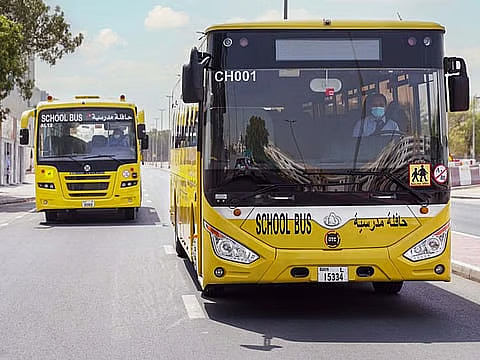
School buses: Safety on the move
Special attention is given to school transportation, with clear responsibilities for drivers and supervisors:
- Ensuring students board and disembark only at designated locations
- Verifying seatbelt use and proper seating
- Preventing movement inside the bus while it is in motion
In emergencies
Drivers and supervisors should:
- Keep students calm
- Stop the bus in a safe location away from potential hazards
- Guide students to evacuate or take cover if needed
- Immediately communicate with the school and relevant authorities
A shared responsibility
The guide concludes with a clear message:
Safety is a shared responsibility. Through compliance, cooperation, and awareness, parents, educators, students, and staff can work together to create a secure and supportive educational environment capable of responding effectively to any challenge. Preparedness is not optional — it is essential.

