

Fuel prices have surged by more than 60% amid the US-Israel-Iran conflict and the closure of the Strait of Hormuz.
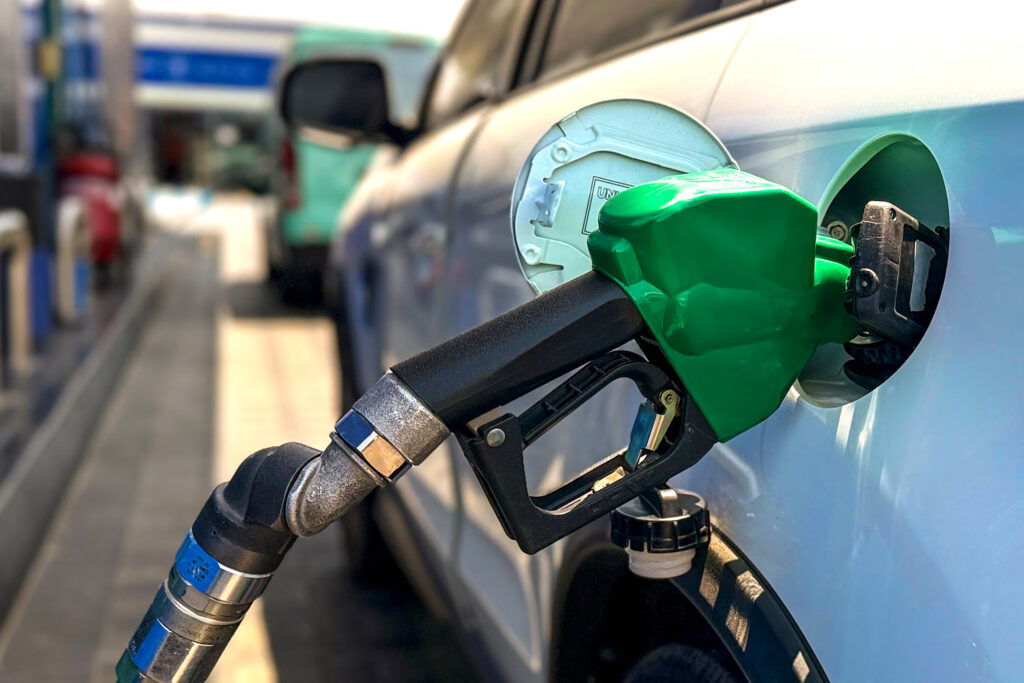
Petrol prices in the UAE could see a significant drop in July 2026 after four consecutive months of increases, as global oil prices have fallen by more than $20 per barrel since the start of the month.
Since the outbreak of the Middle East conflict on February 28, retail fuel prices in the UAE have risen steadily, climbing by more than 60%.
In June 2026, retail fuel prices rose by around 8% month-on-month, with Super 98 priced at Dh3.95 per litre, Special 95 at Dh3.83 per litre, and E-Plus 91 at Dh3.76 per litre.
With global oil prices trending downward through June, expectations are building that retail fuel prices could fall next month.
Brent crude was trading at around $95 a barrel in the first week of June before slipping to below $74 a barrel on Wednesday, driven by the US-Iran peace deal and expectations of Gulf supply returning to global markets following the reopening of the Strait of Hormuz.
The average Brent closing price stood at around $106 a barrel in May amid the US-Israel-Iran conflict, before declining to about $71 a barrel in June 2026.
Ole Hansen, head of commodity strategy at Saxo Bank, said oil prices have continued to retreat, with Brent falling below $76 per barrel and trading only about 7.5% above the $70 level that previously capped prices before the Strait of Hormuz disruption.
“The move lower may appear counterintuitive given that the world has just experienced the largest oil supply disruption on record, resulting in an estimated 1.3 billion barrels of lost production from the Middle East. However, in the short term, the market is no longer focused on the barrels that were lost. Instead, attention has shifted to the barrels that may soon return,” he said.
With shipping traffic steadily improving through the Strait of Hormuz, Hansen added that traders are increasingly focused on a growing queue of cargoes waiting to move.
“Millions of barrels are already loaded on tankers that were unable to leave the Gulf during the disruption, while hundreds of additional vessels remain positioned outside the region waiting to load. The result is a potential surge of supply entering the market at a time when buyers are showing signs of caution,” he said.
Norbert Rücker, head of economics and next generation research at Julius Baer, said the snap-back in oil markets has been “astonishing.”
“Based on ship-tracking data and anecdotal news, oil appears to be flushing out of the Middle East. Exports are likely back above 80% of pre-crisis normal, suggesting the market has flipped from deficit to surplus. Emptied storage could begin to refill sooner than expected, which may support prices in the short term before a storage surplus likely returns next year,” he said.

