

In an interview with Dubai Standard, former Pakistan wicketkeeper Rashid Latif has backed his government’s bold move to send a message to the ICC
A decision to pull out of cricket’s most high-profile fixture due to geopolitical tensions may not lift the spirits of ordinary fans ahead of an event as big as the T20 World Cup, but in Pakistan the mood is strikingly upbeat.
There have been no celebratory gunshots piercing the air, yet former players and fans alike are gung-ho about their government’s decision to withdraw from the upcoming ICC T20 World Cup match against India as a mark of protest.
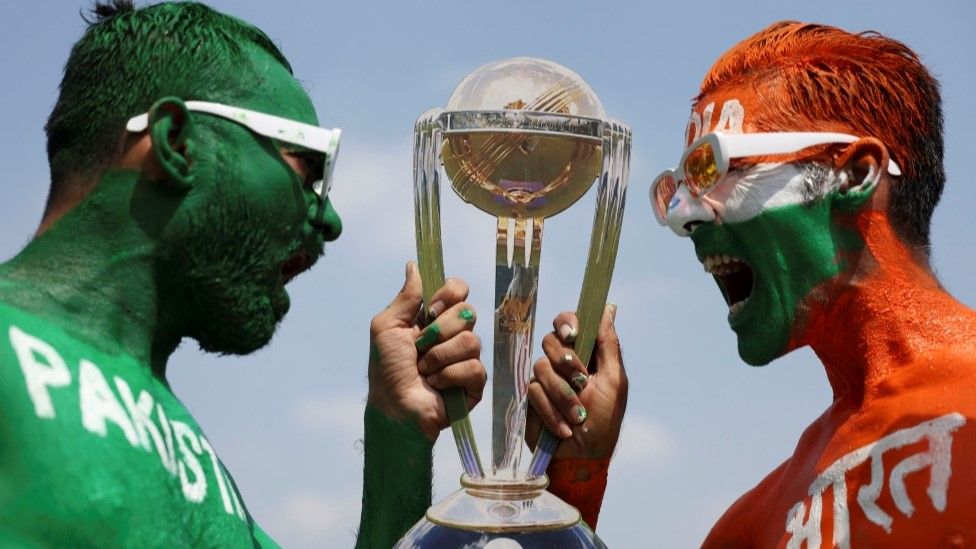
After keeping the cricketing world waiting for days, the Pakistan government announced on Sunday evening that the country would take part in the World Cup but would not allow its team to take the field against India in the February 15 game in Colombo.
Matches between the bitter South Asian rivals are the biggest money-spinners in international cricket and among the most-watched sporting fixtures in the world.
By pulling the plug on the mother of all cricket matches, Pakistan have hit the powerful Indian cricket board (BCCI) and the International Cricket Council (ICC) where it hurts most — depriving them of the sport’s biggest spectacle and leaving broadcasters and advertisers in disarray.
While it may pale in comparison to the mighty BCCI, the Pakistan Cricket Board (PCB) has proved that it can still pack a punch — much to the joy of a vast majority of former Pakistani players and fans who believe a strong stance was the need of the hour after Bangladesh were removed from the T20 World Cup.
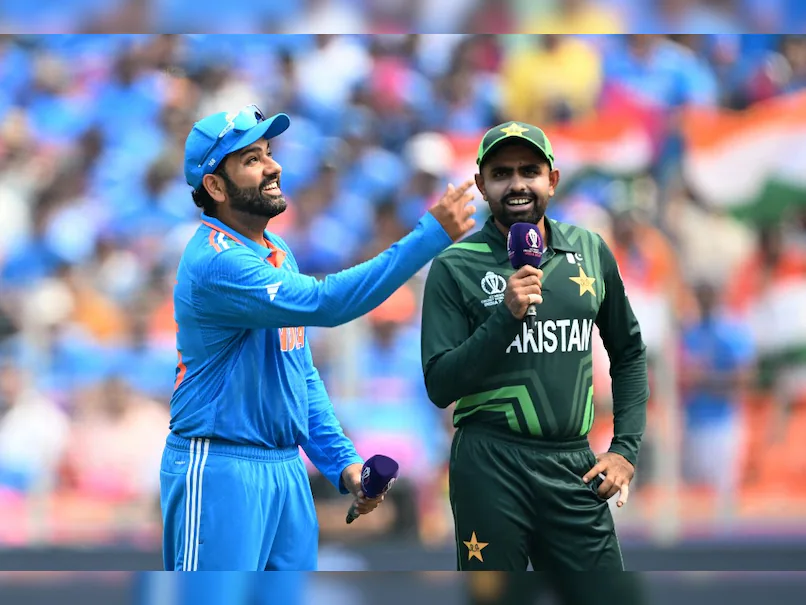
Former Pakistan wicketkeeper Rashid Latif, renowned for his skills behind the stumps, has backed his government’s bold move to send a message to the ICC.
“Look, we have observed for many years how the ICC has been influenced by the BCCI in decision-making. Of course, the BCCI is the most powerful and the richest board, but it’s not good for the sport if decisions always go in their favour,” Latif told the Khaleej Times over the phone from Karachi.
Unfair treatment
The former Pakistan captain termed the ICC’s refusal to move Bangladesh’s matches to co-host Sri Lanka as unfair, while also referring to the unceremonious exit of Mustafizur Rahman from the 2026 Indian Premier League (IPL) for political reasons.
“I think the decision to remove Mustafizur from the IPL was the last straw. I agree it’s the IPL — it’s their tournament — but they could have waited until after the World Cup. That decision hurt Bangladesh’s sentiments, and their cricket board felt the security of their players at the World Cup was at stake,” Latif said.
“So what Bangladesh requested was legitimate — to move their matches to Sri Lanka. The ICC had already set a precedent by moving India’s Champions Trophy matches last year to Dubai after they refused to travel to Pakistan for security reasons.”
Offering moral support to Bangladesh was necessary, Latif added, especially after Indian players refused to shake hands with their Pakistani counterparts at last year’s Asia Cup.
The ‘handshake gate’ episode at the Asia Cup, held a few months after the two nuclear-armed neighbours came to the brink of all-out war, led to chaotic scenes at Dubai International Stadium, with the victorious Indian team refusing to accept the trophy from Mohsin Naqvi — the PCB chairman who also heads the Asian Cricket Council — after the final against Pakistan.
“It is good that the Pakistan Cricket Board has supported Bangladesh, and I am not surprised that the Pakistan government stepped in and asked the board to boycott the match against India,” Latif said.
“This is a very strong message from the country against political powers that have threatened to ruin the spirit of the game.”
ICC needs Pakistan
While the ICC issued a statement on Sunday night warning of ‘long-term implications’ for Pakistan following the withdrawal, Latif does not expect any drastic action.
Though Pakistan may no longer be among the strongest cricketing nations, it still wields significant influence because of its storied rivalry with India.
“India versus Pakistan is the biggest match in cricket because you almost have two billion people following the sport,” Latif sai
“The ICC makes huge money from broadcasters and advertisers through this match, which is why the two teams are always placed in the same group at World Cups. That was Pakistan’s leverage, and this time they used it.”
Knockout scenario
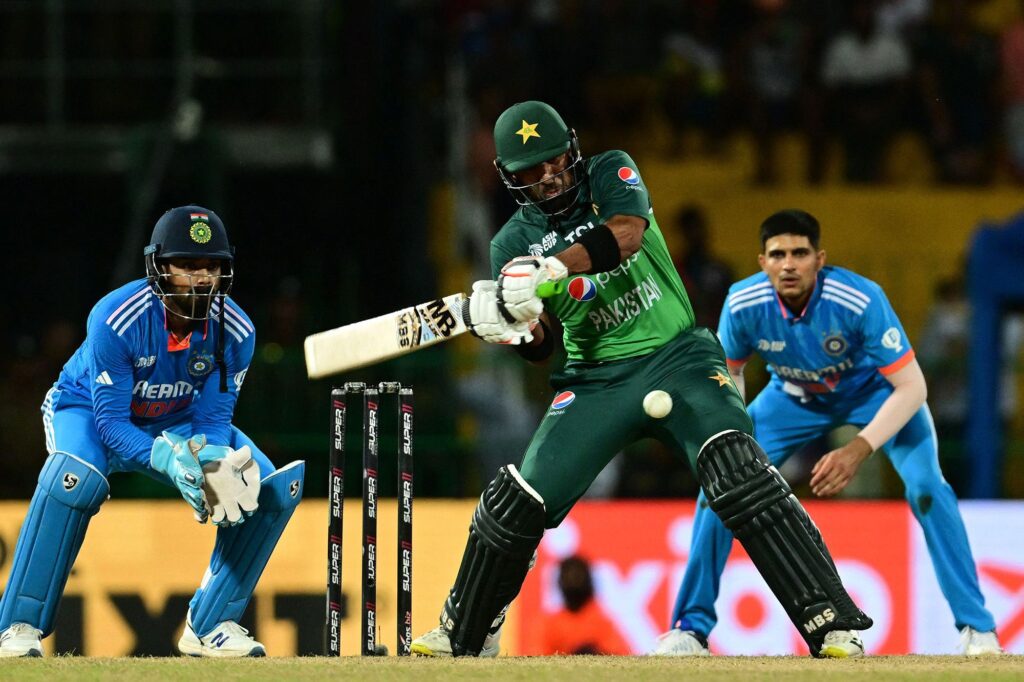
Forfeiting two points by not taking the field against India is unlikely to harm Pakistan’s chances of reaching the Super Eight in Group A, where Salman Agha’s team will face the Netherlands, Namibia and the USA, three associate members of the ICC.
Inspired by an emphatic series win over Australia, Pakistan will enter the tournament brimming with confidence.
But what happens if Pakistan face India later in a knockout game?
“It’s a million-dollar question,” Shahid Hashmi, a senior Pakistani cricket journalist, told the Khaleej Times. “There’s been no official statement yet. The group-stage match can be forfeited, but the semifinals or final are a different matter altogether because they are the knockout games, the most important games of the tournament.”
Public mood
For now, the average Pakistani fan is not looking that far ahead.
“The public is backing the decision. They feel enough is enough,” Hashmi said. “India have used their influence since 2012, when they stopped playing bilateral cricket with Pakistan, so people believe this is the right call.”
However, senior Indian television journalist Nikhil Naz said why blaming the BCCI for Bangladesh’s World Cup exclusion is wrong.
“The decision to remove Bangladesh was taken by the ICC, not the BCCI,” Naz said. “Fourteen member boards voted against Bangladesh’s request. By boycotting the India match, Pakistan are effectively taking on Australia, New Zealand, England, the West Indies, all the cricket boards. They are taking on the entire cricket world, not just India.”
Naz also failed to make sense of Pakistan’s discontent over the Asia Cup handshake incident.
“There was a war-like situation before that tournament,” he said. “We’ve seen similar situations in tennis, where Ukrainian players refuse to shake hands with Russians. Pakistan are boycotting the India match not purely because of bilateral tensions, but to support Bangladesh — while remaining in the tournament to avoid sanctions.”
Big loss
While official figures are yet to be released, India–Pakistan World Cup matches are estimated to generate around $400 million.
“The ICC needs to be careful,” Latif warned. “Their economy depends on international cricket. The BCCI has the IPL, but the ICC survives on World Cups and Champions Trophies.
“They cannot afford tournaments without Pakistan or Bangladesh. Together, you’re talking about nearly 400 million people who live and breathe cricket. Without them, it’s a huge loss — for the ICC and for the sport.”

