

From the scale of the strikes and resulting casualties to the UAE’s calls for accountability, a detailed look at how the past month has unfolded.
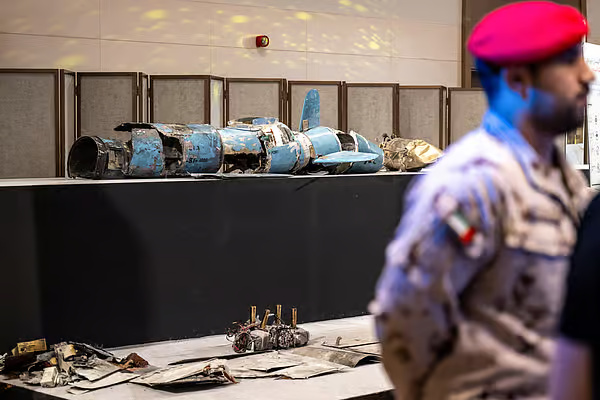
One month after Iran began launching missiles and drones at the UAE and other Gulf states, Abu Dhabi’s stance remains firm: what it terms “terrorism, premeditated intent and open aggression” will not undermine its resolve.
In a post on X, senior diplomat Anwar Gargash emphasized that the UAE did not seek this conflict and had “worked to avoid it,” referring to efforts to mediate between Washington and Tehran to prevent escalation.
Since the attacks began on February 28, here’s how the UAE has navigated the crisis, from its official stance to the scale of strikes and resulting casualties.
The Scale of the Attacks
Over the past month, the UAE has confronted an unprecedented wave of aerial threats.
UAE One Month On: Facing Missile and Drone Attacks from Iran
Scale of the Attacks
Since February 28, Iran has reportedly launched:
- 378 ballistic missiles
- 15 cruise missiles
- 1,835 drones
Most were intercepted mid-air, with authorities highlighting a high success rate. However, falling debris and a limited number of projectiles caused damage on the ground.
Human Toll Across Nationalities
The attacks have affected both military and civilian populations:
- Deaths: 11 total, including two UAE armed forces personnel, one Moroccan civilian contracted by the armed forces, and eight civilians of Pakistani, Nepali, Bangladeshi, Palestinian, and Indian nationalities.
- Injuries: 171 people, ranging from minor to severe, from 29 nationalities.
Targets
Authorities report that attacks targeted, or attempted to target:
- Airports and aviation infrastructure
- Energy and fuel facilities
- Residential and commercial areas
Drone-related fires and debris damage were reported in parts of Dubai and Abu Dhabi. Officials stressed repeated targeting of civilian-linked infrastructure.
UAE’s Position
The UAE has consistently maintained that:
- It is not a party to the conflict.
- Its territory has not been used to launch attacks against Iran.
- The strikes violate sovereignty and international law.
- It retains the right to self-defence.
Senior diplomats have stressed the need for accountability:
- Ambassador Yousef Al Otaiba called for a conclusive outcome addressing all Iranian threats, including nuclear capabilities, missiles, drones, proxy groups, and risks to global shipping.
- Anwar Gargash highlighted Iran’s responsibility for attacks on civilians and critical infrastructure.
- Dr Sultan Ahmed Al Jaber described threats to the Strait of Hormuz as “economic terrorism,” impacting global energy and food costs.
- Officials rejected Iran’s claims of “retaliation,” calling the strikes “unwarranted and utterly irresponsible.”
Maintaining Daily Life
Despite the attacks, life in the UAE largely continued with adjustments:
- Aviation: Temporary disruptions occurred early, but operations have since stabilized.
- Education: Schools shifted to distance learning with phased schedules.
- Public safety: Residents were advised to stay indoors during alerts, avoid glass-fronted areas, and steer clear of incident sites. Alert systems were adjusted to reduce panic overnight.
Information and Misinformation
Authorities actively countered false claims, including reports of “mass evacuation,” “airport closures,” and “property market collapse.” Legal action targeted individuals spreading manipulated content, with the public urged to follow official sources.
International Response
- The UN Human Rights Council condemned Iranian missile and drone attacks on the UAE, Gulf states, and Jordan, citing violations of international law.
- UN Security Council Resolution 2817 condemned the attacks, supported by 136 member states.
- The International Maritime Organization passed a resolution, backed by over 115 member states, condemning threats to shipping and the closure of the Strait of Hormuz.

