

Oil prices slide as US-Iran diplomatic progress fuels optimism over the reopening of the Strait of Hormuz.

Brent crude prices plunged more than 8% as hopes grew for a diplomatic resolution to the US-Iran conflict, wiping out part of October’s sharp rally.
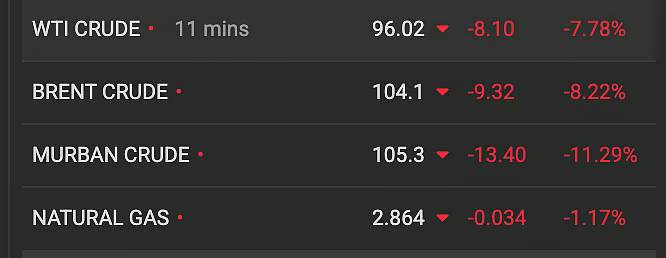
Brent crude fell $9.32, or 8.22%, to $104.10 a barrel as of 21:38 GMT on Monday, November 2, 2026 (5:39 am in Beijing on Tuesday, November 3), according to OilPrice.com. US West Texas Intermediate (WTI) crude dropped $8.10, or 7.78%, to $96.02 a barrel, slipping below the key $100 threshold.
Meanwhile, Murban crude declined $13.40, or 11.29%, to $105.30 a barrel.
The sharp sell-off followed weekend mediation efforts between Iran and Qatar. Oil prices initially dropped more than 4% after a draft proposal to end the war began circulating, following the departure of Iranian negotiators from Qatar.
Analysts said the absence of any significant military escalation over the weekend helped ease geopolitical concerns, putting further downward pressure on prices.
Qatar’s proposal reportedly focuses on reopening the Strait of Hormuz, a critical global oil shipping route.
The latest decline has erased a significant portion of October’s gains. Brent crude surged 13.6% during the month, while WTI climbed 15.2%. Brent also ended October at a six-month closing high after a tanker was struck in the Strait of Hormuz.
However, global oil supplies remain tight. OPEC production was still more than 3 million barrels per day below prewar levels in September, while OPEC+ maintained its December 2026 production targets unchanged.
Analysts cautioned that the recent price decline reflects renewed hopes for a diplomatic breakthrough rather than a concrete agreement to end the conflict.
The decline reflects improved expectations for a diplomatic breakthrough rather than a definitive resolution to the conflict. Murban crude’s 11.29% drop carries a “7 hours” timestamp in the screenshot, making the quote potentially outdated and less reliable than the Brent and WTI figures.
Oil markets have become increasingly sensitive to geopolitical developments, with diplomatic progress and military risks driving sharp daily price swings. Meanwhile, physical supplies remain below prewar levels, keeping crude prices elevated despite Monday’s steep decline, with Brent still trading above $105 a barrel.
Lower oil prices could help ease inflation and reduce import bills for major oil-importing countries such as the Philippines, where rising fuel costs have put pressure on the peso and consumer prices. However, the extent of the relief will depend on whether the decline is sustained and eventually translates into lower domestic fuel prices.
What’s next
Markets will closely monitor Iran-Qatar mediation efforts, developments surrounding the reopening of the Strait of Hormuz and the November 3 US midterm elections.
Some analysts warn that Brent crude could climb to $120 a barrel if geopolitical tensions flare up again following the elections.
For consumers, relief at the pump may take several days to materialise, as domestic fuel prices typically adjust with a lag to international crude movements.

