

Oil prices edge lower amid Middle East tensions and US tanker policy concerns.
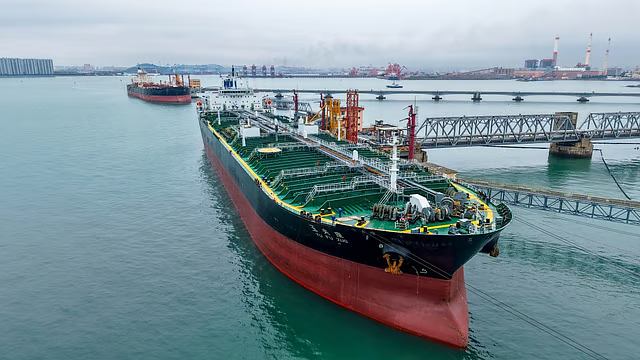
Oil prices edged lower during early Asian trading on Friday, although Brent crude held above $105 a barrel as investors assessed ongoing supply risks in the Middle East alongside plans to release additional emergency oil reserves.
According to OilPrice.com, Brent crude traded at $105.50 per barrel, slipping 45 cents, or 0.42%. US West Texas Intermediate (WTI) crude declined 53 cents, or 0.54%, to $97.44 at approximately 10:40 am Tokyo time (5:40 am Gulf time, 1:40 am GMT) on October 16, 2026.
Murban crude also weakened, falling 97 cents, or 0.87%, to $110 per barrel.
Natural gas prices dropped to $3.207, a decline of 2.9 cents, or 0.90%. However, the available market data did not specify the contract or pricing unit.
Friday’s losses followed mixed trading on Thursday. WTI futures for November delivery climbed $2.88, or approximately 3%, to settle at $97.97 per barrel. Meanwhile, Brent futures for December delivery eased 14 cents to close at $105.92, according to CNBC.
Oil markets continued to react to heightened security concerns surrounding shipping routes through the Strait of Hormuz, as well as uncertainty over energy shipments from the Gulf and Black Sea regions.
Reports of renewed threats against commercial vessels and disruptions to key regional shipping routes have kept concerns about potential supply interruptions elevated, despite the modest decline in crude prices.
Meanwhile, plans to release additional emergency oil reserves offered some relief to markets. According to Bloomberg, member countries of the International Energy Agency (IEA) committed to completing the release of the remaining 100 million barrels from an emergency intervention initially announced in March.
The planned release could help ease supply pressures and stabilise markets as traders continue monitoring geopolitical developments and disruptions to global oil transportation.
The report also indicated that Dated Brent, a key benchmark for physical crude oil shipments, was trading close to $130 per barrel, significantly higher than Brent futures, underscoring mounting pressure on supplies available for immediate delivery.

