

Brent Crude Stays Around $103 as Gulf Oil Exports Rebound and Russia Moves to Release Additional Diesel Supplies.
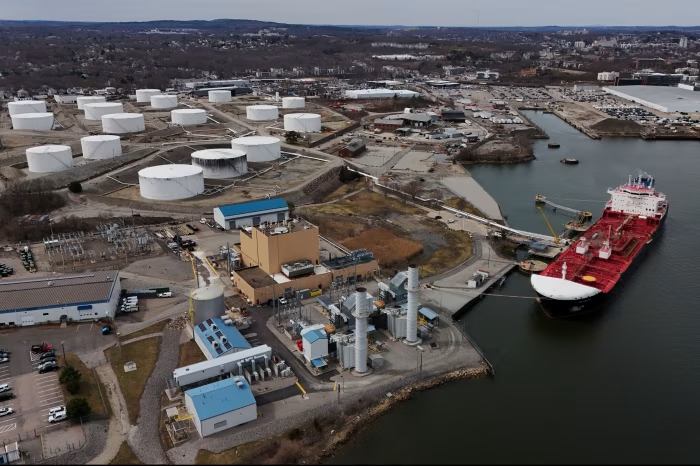
Dubai: Global crude oil prices declined during volatile early trading on Monday, October 12, as investors weighed continued oil shipments from the Gulf against escalating regional tensions and a US claim that Russia and Ukraine had reached an agreement on an energy-related ceasefire.
Brent crude dropped below $103 per barrel after initially recording gains, while West Texas Intermediate (WTI) hovered around $90 a barrel. The decline provided temporary relief to other commodity markets amid ongoing geopolitical uncertainty.
West Asia Conflict Intensifies
Tensions across West Asia continued to rise over the weekend, with Saudi Arabia’s main international airport reportedly coming under another attack on Sunday. A separate incident involving an oil tanker in the Strait of Hormuz added to concerns about the security of regional energy shipments.
Despite these developments, crude oil exports through the strategic waterway have continued.
According to estimates from JPMorgan Chase, Persian Gulf oil exports have reached approximately 17.5 million barrels per day, equivalent to nearly 98 per cent of their levels before the conflict began.
The latest attack on Riyadh airport followed a deadly incident on Saturday that reportedly left 12 people dead.
Saudi Press Agency reported that the kingdom’s foreign minister had held discussions with his Iranian counterpart before the most recent attack.
The Houthis reportedly expanded their operations against Saudi Arabia in July, targeting energy infrastructure and oil tankers operating in the Red Sea.
In response, Saudi-supported forces in Yemen have launched military operations aimed at regaining control of territories held by the Houthis.
Meanwhile, the Red Sea oil export terminal at Yanbu remains a major security concern.
France is reportedly preparing to deploy military personnel, radar equipment and defence systems to strengthen protection around the facility.
Saudi Arabia has also restored pipeline transportation capacity to approximately 3.5 million barrels of oil per day, helping maintain export operations despite the regional security challenges.
Uncertainty Surrounds Russia-Ukraine Energy Ceasefire
Meanwhile, US President Donald Trump has claimed to have negotiated an arrangement with Russian President Vladimir Putin that would allow additional Russian diesel supplies to enter international markets.
The proposed agreement has drawn criticism from lawmakers belonging to both major US political parties.
Ukrainian President Volodymyr Zelenskyy has also strongly opposed the reported arrangement, expressing concerns that increased revenue from Russian fuel exports could provide Moscow with additional financial resources to sustain its ongoing war against Ukraine.
Under the reported agreement, Russia is expected to release 300,000 tonnes of diesel immediately, followed by another 500,000 tonnes in November and an additional 1 million tonnes in subsequent shipments.
The US Treasury Department has reportedly introduced a partial exemption from sanctions on Russian diesel exports, allowing certain transactions to continue until April 2027.
According to energy analytics firm Kpler, Russia exported approximately 28.6 million tonnes of diesel last year.
Following news of the proposed arrangement, European diesel futures reportedly dropped by as much as 8.3 per cent, reflecting market expectations of increased fuel availability.
The development comes at a time when diesel prices have risen across international markets, placing additional financial pressure on consumers and businesses.
In the United States, rising fuel expenses have also become a source of public dissatisfaction ahead of the midterm elections scheduled for November.
Meanwhile, the International Energy Agency (IEA) has called for quicker measures to address concerns surrounding global diesel supplies.
IEA Executive Director Fatih Birol has urged governments to speed up previously committed diesel releases and consider making additional supplies available to ease pressure on energy markets.
The agency’s governing board is scheduled to meet on October 15 to discuss the situation and potential responses.
Despite the recent decline in crude oil prices and expectations of additional diesel supplies, Brent crude continues to trade above $100 per barrel, highlighting persistent uncertainty in global energy markets.

