

Marking International Tour Guide Day, Al Ain Zoo guide Khaled Alaryani offers an inside look at his work.
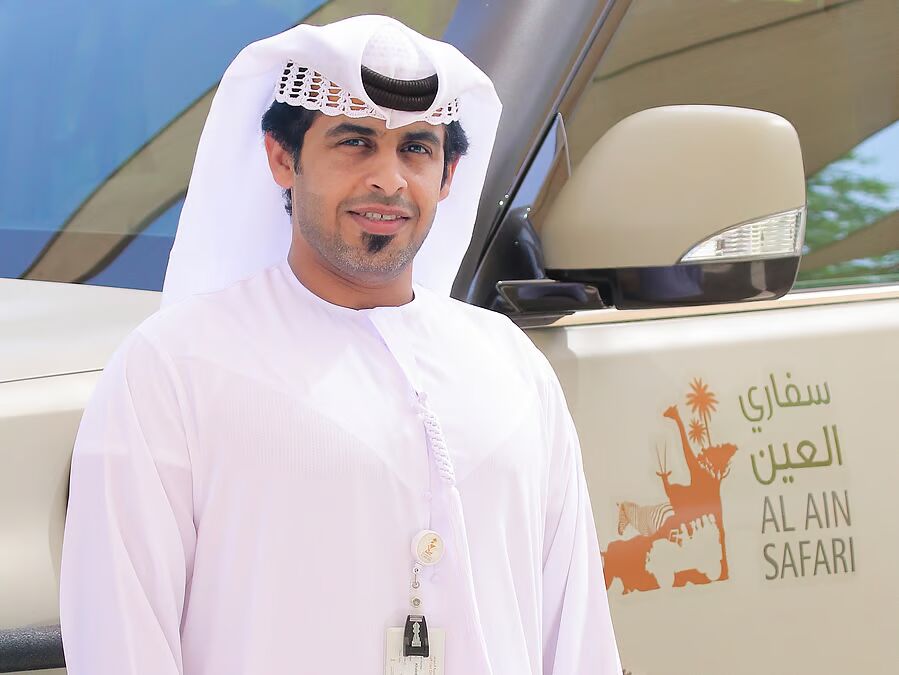
As the gates of Al Ain Zoo open each morning, Khaled Salem Alaryani is already going over the day’s schedule. Before the first visitors step inside, he connects with the animal care team for the latest updates — whether it’s a special feeding session, a new behavioural milestone, or a unique moment worth spotlighting during his tours.
A Living Classroom in the Desert
For the Emirati wildlife enthusiast, who serves as Unit Head of Attractions at Al Ain Zoo, the sprawling wildlife park — home to more than 4,000 animals — is far more than a workplace. It is a “living classroom” where stories of survival, adaptation, and conservation come to life each day.
On International Tour Guide Day, observed annually on February 21, Alaryani reflected on a role that blends his passion for wildlife with education and cross-cultural engagement.
“I have always been passionate about wildlife and education,” he told Gulf News. “Becoming a tour guide gave me the opportunity to combine my love for animals with interacting with people from different cultures and sharing meaningful knowledge about conservation.”
One child once asked me if the zebras are painted horses! It was a fun opportunity to explain animal adaptations and natural patterns,” said Khaled Salem Alaryani.
Every tour tells a different story
Once the gates open, Al Ain Zoo becomes a vibrant hub of curiosity. School groups, families, and tourists explore its diverse habitats, and no two tours are ever alike.
Rather than simply reciting facts, Alaryani embraces storytelling — highlighting each animal’s personality, its conservation journey, and its role within the ecosystem. Questions from children often steer the conversation, transforming routine stops into engaging and interactive discussions.
“The most rewarding part is seeing visitors, especially children, become excited and curious about wildlife,” he said. “Knowing that I may have inspired someone to care more about animals is truly fulfilling.”
At times, the questions are unexpectedly amusing. One child once asked whether zebras were “painted horses” — a light-hearted moment that turned into a chance to explain natural adaptations and survival strategies.
Beyond the main attractions
While giraffes and lions often draw the biggest crowds at Al Ain Zoo, Alaryani encourages visitors to explore the quieter corners of the zoo as well, where lesser-known species and conservation stories await discovery.
Many guests, he noted, often overlook certain bird habitats or shaded rest areas that offer “unique viewing opportunities and a peaceful atmosphere.”
Advice to visitors
For first-time visitors to Al Ain Zoo, he recommends arriving early, wearing comfortable clothing, staying hydrated, and planning a route in advance. Joining a guided tour, he added, enhances the experience by offering insights that might otherwise be missed.
“My role is to turn a visit into an experience people remember long after they leave, by helping them connect with wildlife in a meaningful way,” he said.
“I connect facts with stories, explaining how each species plays a role in the ecosystem and how human actions impact wildlife.”
A conservation mission at heart
Beyond visitor engagement, conservation lies at the core of the zoo’s mission, with breeding programmes, scientific research, and international collaboration forming key pillars of its work. Public education is equally central, helping communities better understand sustainability and wildlife protection.
One of the most inspiring examples is the recovery of the Arabian Oryx. Once declared extinct in the wild in 1972 due to overhunting and habitat loss, the species became a powerful symbol of urgent conservation action. Through carefully managed breeding programmes, genetic monitoring, and regional partnerships, the zoo helped build a stable captive population.
A major milestone followed with successful reintroductions into protected reserves across the UAE. Animals bred under human care adapted to desert conditions, reproduced, and began establishing sustainable wild populations — marking a historic conservation achievement.
“It demonstrates how dedicated conservation efforts can restore hope for endangered wildlife and safeguard the UAE’s natural heritage for future generations,” Alaryani said.
Connecting facts with responsibility
For Alaryani, conservation education is most effective when it feels personal. Rather than overwhelming visitors with statistics, he ties facts to relatable stories — showing how each species contributes to ecological balance and how human behaviour directly affects wildlife survival.
By making these connections tangible, he believes people are more likely to take small but meaningful steps in their own lives, whether through sustainable choices or supporting conservation initiatives.
A message for future guides
As International Tour Guide Day shines a spotlight on the profession worldwide, Alaryani hopes more young people will consider guiding as a career.
“Being a tour guide is more than sharing information. It’s about storytelling, passion, and creating meaningful experiences,” he said.
For those who love learning, connecting with people, and making a positive impact, he believes the role can be deeply rewarding.

