

Across the UAE, from RAK to Fujairah, passionate elders are keeping the centuries-old craft of date syrup alive for the next generation.
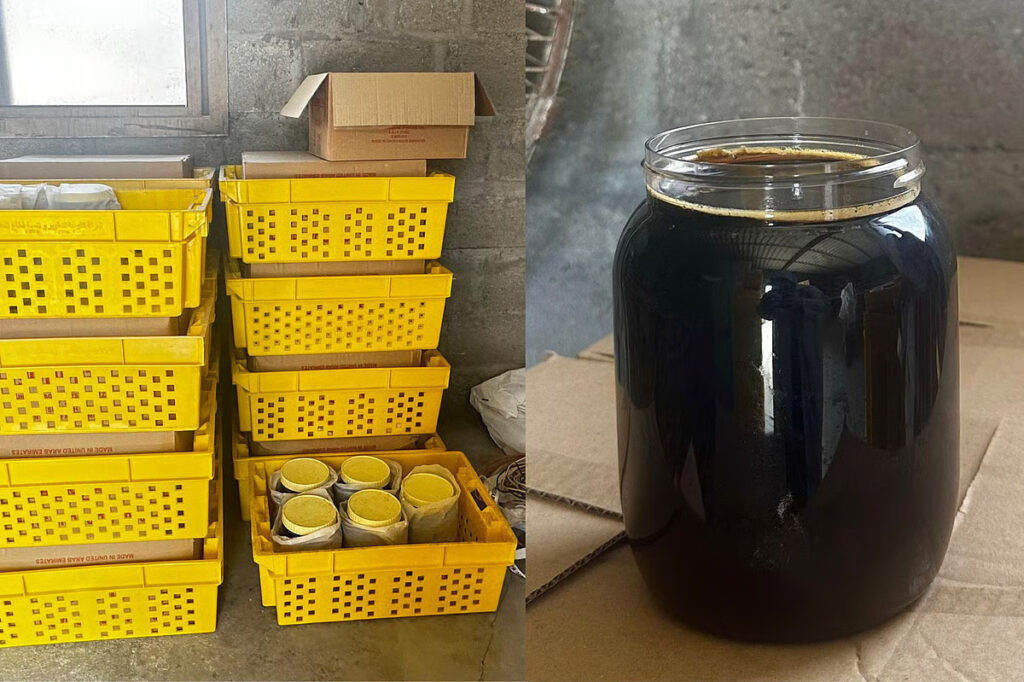
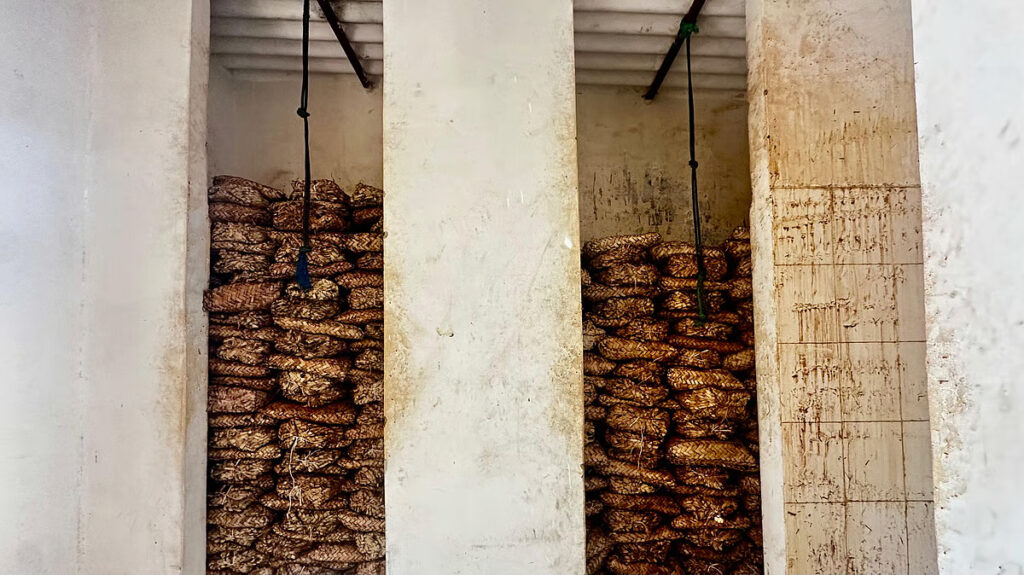
Long before modern technology, a simple, windowless room stood at the heart of Emirati food preservation and symbolized communal ingenuity. The ‘Madbasa’ relies solely on summer heat and the weight of stacked dates in woven palm-frond bags to slowly extract a rich, golden syrup called ‘dibs’.
This ancient and sustainable practice not only produced a natural sweetener for beloved dishes but also ensured a year-round supply of dates, reflecting a deep-rooted tradition of resourcefulness and self-reliance.
Across the Emirates, this heritage is being preserved by passionate elders. In the quiet Dhayah area of Ras Al Khaimah, 83-year-old Salem bin Abdulla Al Shamsi has dedicated decades to maintaining the Madbasa tradition at his son’s farm.
Look: How the UAE’s ‘Madbasa’ Preserves the Sweet Taste of Emirati Heritage
From Ras Al Khaimah to Fujairah, passionate elders are safeguarding the ancient art of creating date syrup, ensuring this tradition is passed down to the next generation.
Long before modern technology, a simple, windowless room was at the heart of Emirati food preservation and a symbol of communal ingenuity. The Madbasa uses nothing but summer heat and the weight of stacked dates in woven palm-frond bags to slowly extract a rich, golden syrup known as ‘dibs’. This sustainable practice not only produced a natural sweetener for traditional dishes but also ensured a year-round supply of dates, reflecting a deep-rooted culture of resourcefulness.
For 83-year-old Salem bin Abdulla Al Shamsi in the Dhayah area of Ras Al Khaimah, the Madbasa is a direct link to his ancestors. “The Madbasa has been passed down through generations,” he said, noting that every large date farm traditionally had one.
In Dibba Al Fujairah, heritage expert Ali Al-Dhanhani echoes this commitment. An award-winning farmer and cultural ambassador for over 40 years, Al-Dhanhani views the Madbasa as a living classroom. “This is our environment and our homeland, and it is our duty to preserve these treasures and teach them to today’s generations,” he said.
Meticulous Process
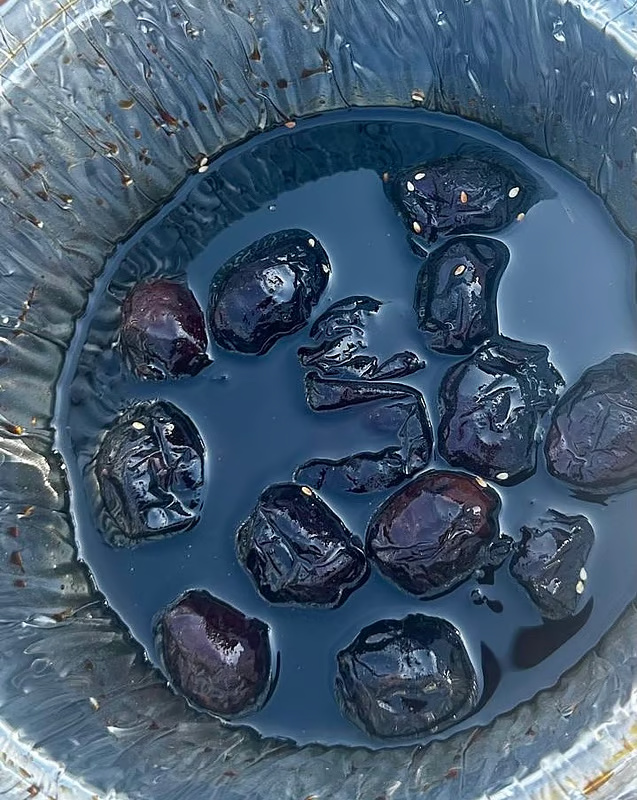
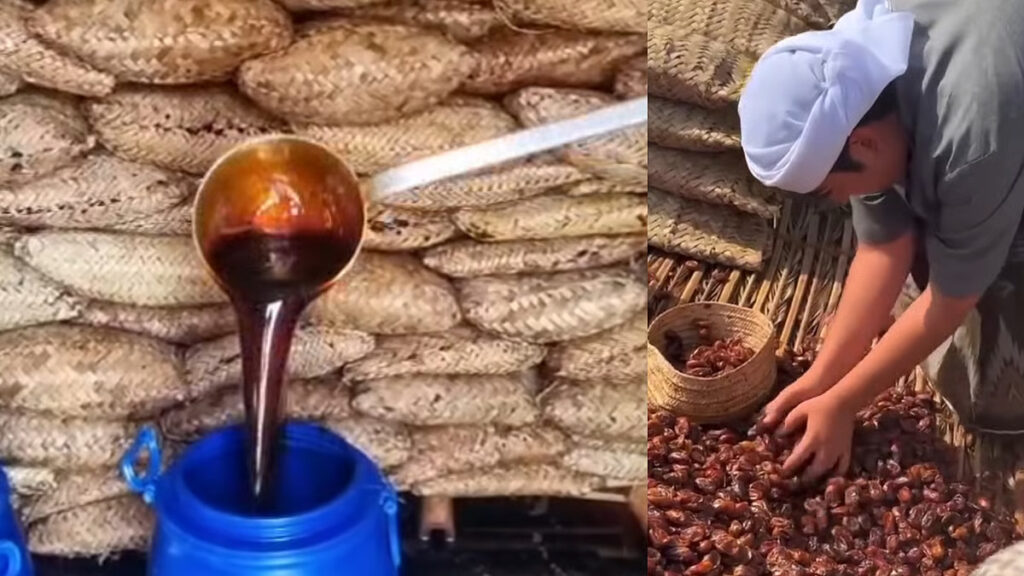
The Madbasa’s process begins long before dates reach the press, at a stage called “Al-Mistah”, where harvested dates are dried thoroughly. Only select varieties with high syrup content are used, while others may be reserved for animal feed. Once dried, the dates are packed into ‘Yirab’ — large sacks woven from palm fronds — or into pottery containers called ‘Khurus’ or larger ‘Khabia’.
The Madbasa itself is a marvel of traditional engineering: a sealed, windowless room with a single entrance to trap heat and keep out dust. Dates are stacked on an elevated structure called “Al-Amed”, with floors featuring channels that guide the syrup into a collection pit, or ‘jabia’, often lined with smooth clay.
For about 90 days, the combination of intense heat and the weight of stacked dates allows gravity to extract the syrup naturally. The resulting dibs is thick, dark, and rich in flavor — denser than honey. Containers holding 3kg of water can yield up to 4.5kg of syrup due to its density. Traditionally, families would share a single Madbasa, and respect for the space was paramount. “Before entering the Madbasa, you must wash your feet, because you are entering a place of food,” Al Dhanhani explained.
Part of the Traditional Emirati Diet
Dibs has long been a staple of the Emirati diet, used as a natural sweetener for Luqaimat, Khameer, Qurs, and other local delicacies. In pre-refrigeration times, it was also a crucial method of food preservation and security.
While modern factories produce dibs commercially, many, like Al Shamsi, continue to follow traditional methods, selling small batches in 1.5kg to 4kg jars. For Al Dhanhani, the process is a family affair, starting every September with children and relatives. “We continue it and teach it to the generations… all with our own hands,” he said proudly.
From Ras Al Khaimah to Fujairah, these keepers of Emirati heritage are ensuring that the sweet taste of Madbasa continues to flow, preserving a living link to the UAE’s culinary traditions for generations to come.

