

The dual-track approach — combining military pressure with diplomatic efforts — mirrors earlier strategies.
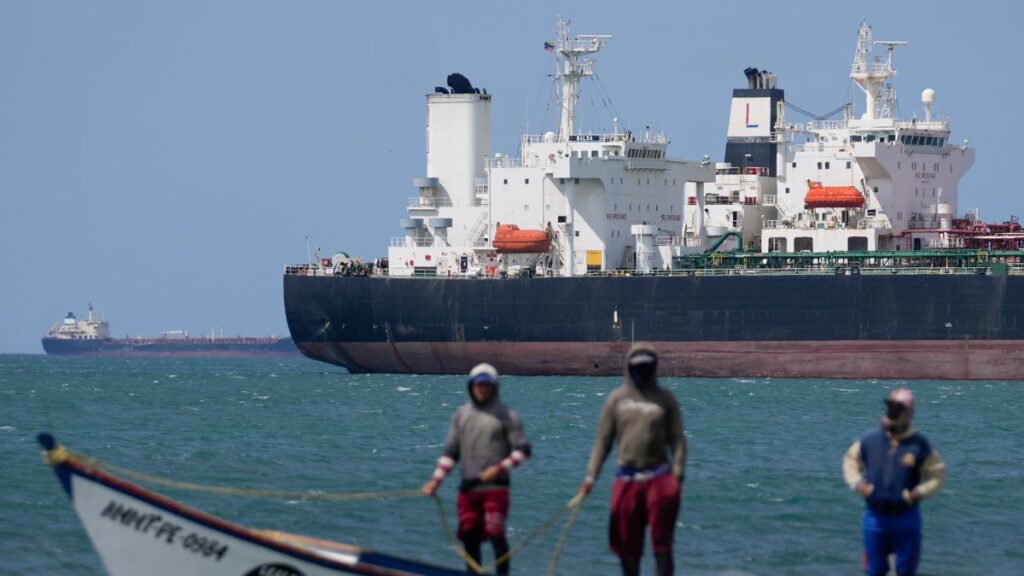
Shipping lanes through the Strait of Hormuz are showing early signs of activity again, with the United States Department of the Treasury signaling a cautious rebound in maritime traffic, even as tensions with Iran continue to dominate headlines.
US Treasury Secretary Scott Bessent noted that vessel movement in and out of the Arabian Gulf is “increasing day by day,” describing the development as “the beginning” of a broader recovery.
“You’re starting to see more and more movement in and out of the Gulf today, and this is more than yesterday, and this is the beginning,” he said.
“I am confident that shipping traffic will continue to increase daily, even before we secure the straits.”
Bessent made his remarks during a Cabinet meeting on Thursday, where he offered an optimistic outlook on the energy sector despite ongoing hostilities with and expressed confidence that energy markets and trade routes are beginning to stabilise even amid the conflict.
He emphasized that the oil market remains well supplied and pointed to a gradual resumption of maritime activity in the region.
“The oil market is well supplied,” he said, predicting that tanker traffic from the Middle East will continue to increase.
Countering Iran’s Hormuz ‘chokehold’ narrative
His remarks contrast sharply with persistent reports claiming that Iran the Strait of Hormuz.
A shift in momentum — or strategic signaling?
Bessent’s update indicates that risk assessments among shipping firms may be evolving.
Some operators seem willing to resume transit through the waterway, possibly encouraged by increased US-led naval patrols, convoy protections, and a perceived plateau in regional escalation.
At the same time, diplomatic currents are quietly shifting. Washington maintains that talks with Tehran are progressing — even as Iranian officials publicly deny that formal negotiations are taking place. Back‑channel efforts, reportedly involving mediators such as Pakistan, Turkey, and Egypt, are working to create an “off‑ramp” to de‑escalate the conflict and open a path toward dialogue.
This dual‑track strategy — combining military pressure with renewed diplomacy — echoes earlier approaches, with the U.S. seeking to balance force with negotiations. During a recent Cabinet meeting, Donald Trump claimed that , describing the gesture as a sign of seriousness in back‑channel talks. Trump said these included “eight boats of oil,” later noting that up to ten tankers — some reportedly under Pakistani flags — had passed through the waterway as a perceived act of goodwill amid tentative negotiations.
This portrayal stood in contrast to Tehran’s public denials of formal talks, even as Washington insists discussions are progressing and uses these maritime movements to signal momentum in both diplomatic and strategic messaging.

