

Dubai hosts 220 police leaders to address organised crime, cyber threats and fraud.
Dubai: Transnational organised crime generates more than $870 billion (Dh3.19 trillion) annually, while cybercrime is estimated to cost the global economy more than $10.5 trillion a year. Road traffic crashes, meanwhile, claim approximately 1.19 million lives worldwide every year, highlighting the growing challenges facing law enforcement agencies.
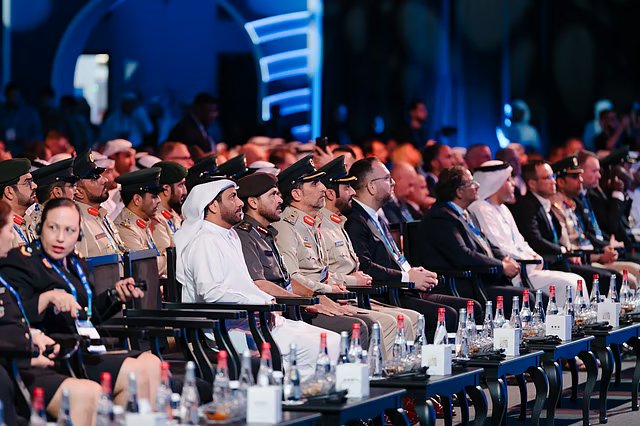
These figures were among the key concerns raised as more than 220 police leaders, security experts and specialists gathered in Dubai on Monday for the fifth edition of the World Police Summit 2026. The event called for stronger international cooperation to combat organised crime, cyber threats, financial fraud and emerging security risks.
The three-day summit, which opened at Dubai World Trade Centre and runs until November 18, brings together international law enforcement officials, representatives of global organisations and industry experts to explore practical solutions to increasingly sophisticated criminal networks.
Held under the theme ‘Connected for Impact: Uniting Global Policing to Safeguard Future Generations’, the summit focuses on artificial intelligence, digital transformation, drug trafficking, organised crime, cybercrime, financial fraud, criminal investigations, road safety, smart border systems, child protection and environmental crime.
The event also features more than 170 exhibitors showcasing advanced policing and security technologies, alongside 14 specialised conference tracks.
Organised crime generates $870 billion annually
Opening the summit, Colonel Dr Rashid Hamdan Al Ghafri, Chairman of the World Police Summit Secretariat and Deputy Director of the General Department of Forensic Science and Criminology for Administrative Affairs at Dubai Police, warned that transnational criminal networks are increasingly operating like sophisticated businesses.
Citing estimates from the United Nations Office on Drugs and Crime (UNODC), he said organised crime generates more than $870 billion annually, equivalent to approximately 1.5 per cent of global gross domestic product.
He also highlighted estimates that cybercrime could cost the global economy more than $10.5 trillion annually, with online fraud, ransomware and other digital offences posing increasingly serious threats.
Road safety remains another major concern. World Health Organisation figures show that around 1.19 million people die in road traffic crashes worldwide every year.
Al Ghafri said the figures underline the urgent need for coordinated international action, stressing that police organisations must move beyond communication and coordination towards delivering measurable results.
He called for greater intelligence sharing, stronger international partnerships, enhanced investigative capabilities and a shift from reactive investigations towards proactive crime prevention.
He also warned that criminal networks are exploiting legal loopholes, encrypted applications and emerging technologies to expand their operations across borders.
The summit brings together leading police and security professionals, alongside more than 170 exhibitors, providing a platform to exchange expertise and develop practical solutions to current and emerging security challenges.
Al Ghafri also highlighted the World Police Summit Awards 2026, which recognise achievements in criminal investigations, forensic science and artificial intelligence, as well as outstanding women in policing and people of determination.
He said the safety, freedom and trust in the rule of law enjoyed by future generations depend on the courage, unity and cooperation of today’s police institutions.
68kg cocaine seizure highlights importance of intelligence sharing
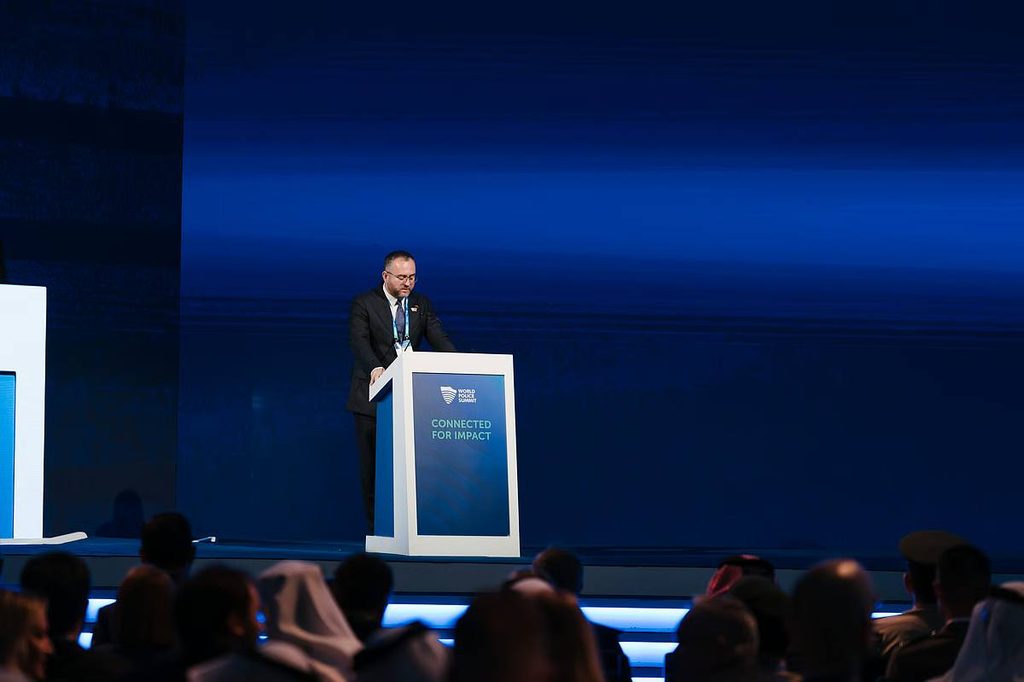
North Macedonia’s Interior Minister, Panche Toshkovski, stressed that no country can guarantee its security independently as criminal networks increasingly operate across national borders.
He cited a recent international operation in which intelligence shared by North Macedonian police with relevant European authorities helped French authorities seize 68kg of cocaine.
He described the operation as an example of how timely intelligence sharing can translate into successful law enforcement action.
Toshkovski called for a stronger commitment to shared responsibility in combating crime, regardless of the nationality of victims or the countries affected.
He urged governments to recognise that protecting lives and confronting security threats are collective responsibilities requiring meaningful action from all nations.
UNODC calls for stronger action against money laundering
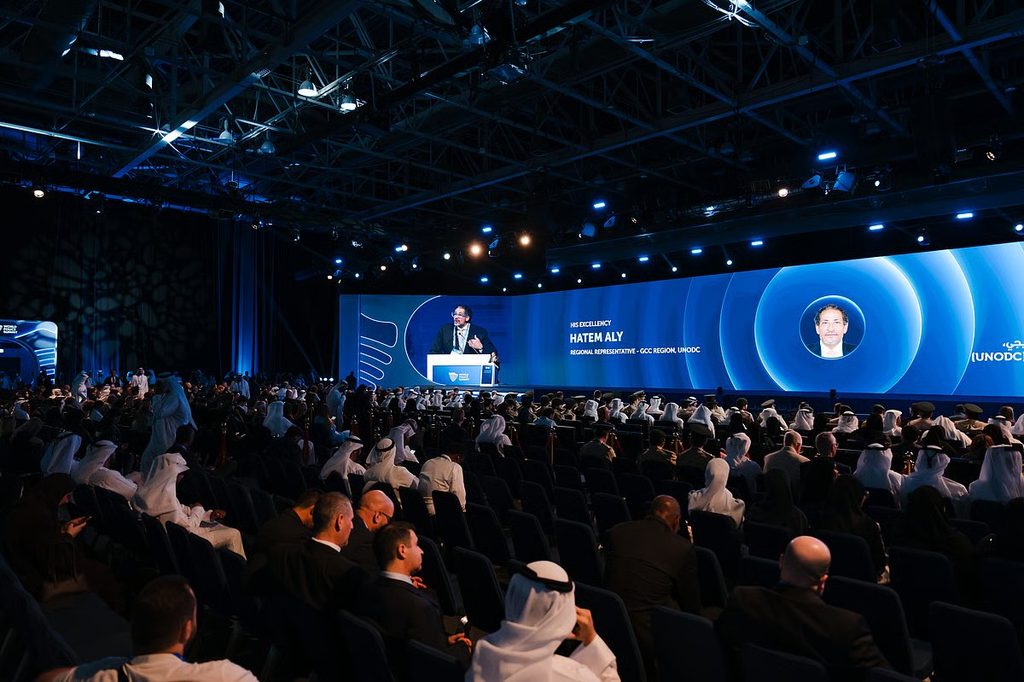
Dr Hatem Aly, UNODC Regional Representative for the GCC Region, warned that organised crime has become increasingly interconnected, with drug trafficking, human trafficking, cybercrime and other criminal activities linked through sophisticated money-laundering networks.
He said no country, police organisation or judicial institution, regardless of its capabilities, can tackle today’s complex criminal threats independently.
Aly called for stronger legislation, more effective legal frameworks, enhanced law enforcement and judicial capabilities, and specialised professional training to address the evolving nature of transnational crime.
He also emphasised that tackling money laundering, financial crime and illicit financial flows requires cooperation beyond governments and law enforcement agencies, with the private sector, banks, financial institutions and wider society all playing a role.
INTERPOL outlines initiatives to trace criminal assets
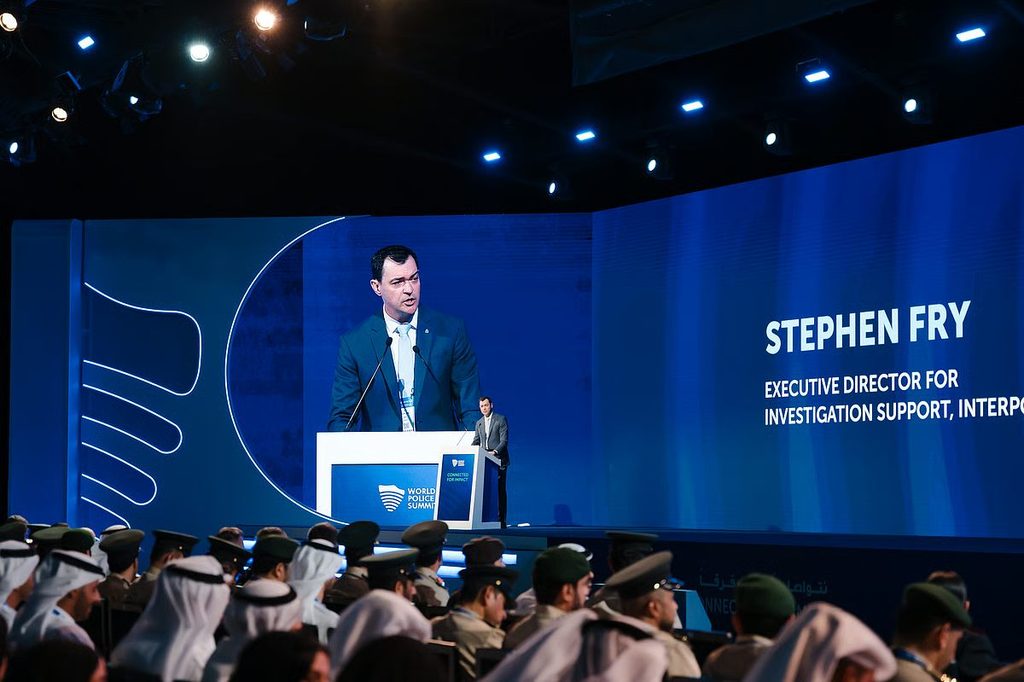
Stephen Fry, Executive Director of Investigation Support at INTERPOL, highlighted the importance of international cooperation in combating financial fraud and dismantling criminal networks.
He cited an attempted financial fraud targeting a company in Singapore, in which criminals impersonated one of its suppliers and tried to steal millions of dollars through fraudulent bank transfers.
Cooperation between authorities in Singapore and Oman, facilitated through INTERPOL channels, helped prevent the transfer.
Fry credited the successful intervention to rapid information sharing, mutual trust and effective international collaboration.
He also outlined two major INTERPOL initiatives designed to strengthen cross-border investigations.
The first is the Silver Notice, which allows countries to request information about funds and assets linked to criminal activities. The mechanism helps authorities trace suspected criminal proceeds and identify assets ahead of potential legal action to recover them.
The second initiative is INTERPOL’s new joint task force model, which brings together police officers, experts and specialists from multiple member countries to coordinate efforts against organised crime networks, smuggling routes and regional security threats.
These teams draw on INTERPOL’s secure communication platforms, databases, analytical tools and specialist expertise.
Fry said the combined initiatives could help disrupt illicit financial flows, dismantle companies and structures used by criminal networks, seize illegal substances, apprehend offenders and protect victims.
Australian police highlight threats from encryption and cryptocurrencies
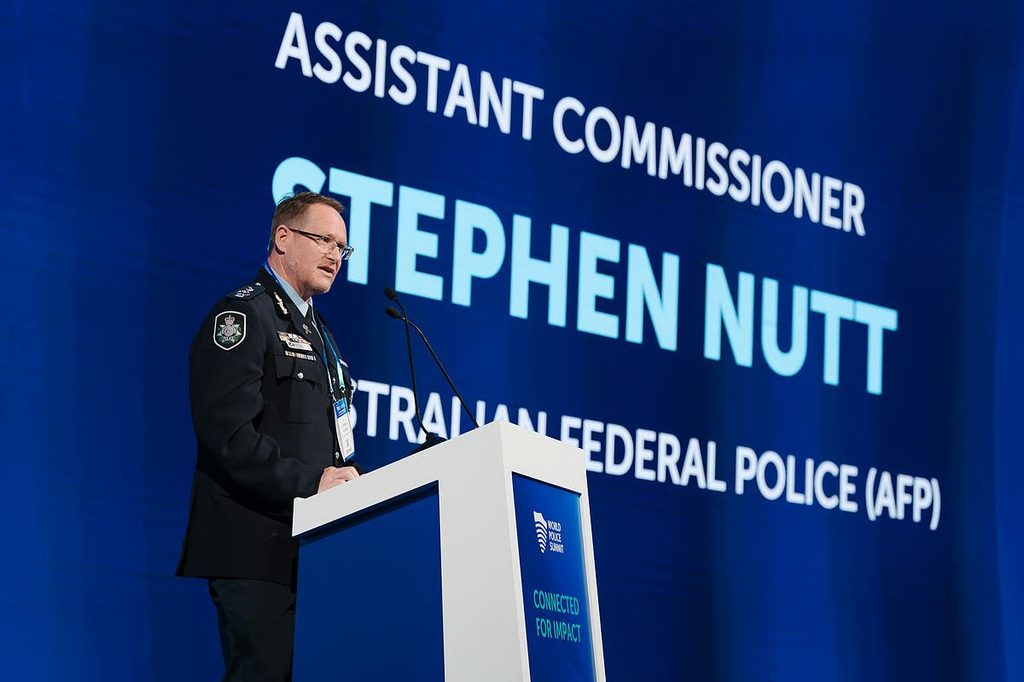
Stephen Nutt, Assistant Commissioner of the Australian Federal Police (AFP), identified three key priorities for tackling modern crime: investing in digital and investigative capabilities, adapting to emerging threats and strengthening international police cooperation.
He said encryption, identity-concealment tools, cryptocurrencies and rapidly advancing artificial intelligence have significantly changed the nature of criminal activity.
Nutt stressed the need for flexible policing strategies that enable agencies to respond quickly to technological developments, share expertise and develop new solutions in partnership with the private sector.
He said the Australian Federal Police maintains an international presence across 36 overseas locations, with more than 200 personnel working to strengthen coordination with global partners and combat cross-border crime.
He also cited Operation Ironside as an example of successful international cooperation. During the operation, law enforcement agencies gained access to an encrypted communications platform used by criminal networks, turning it into an intelligence tool to uncover their activities.
Nutt said Operation Ironside demonstrated what law enforcement agencies can achieve through coordinated international action and intelligence sharing.
UN warns of growing online exploitation of children
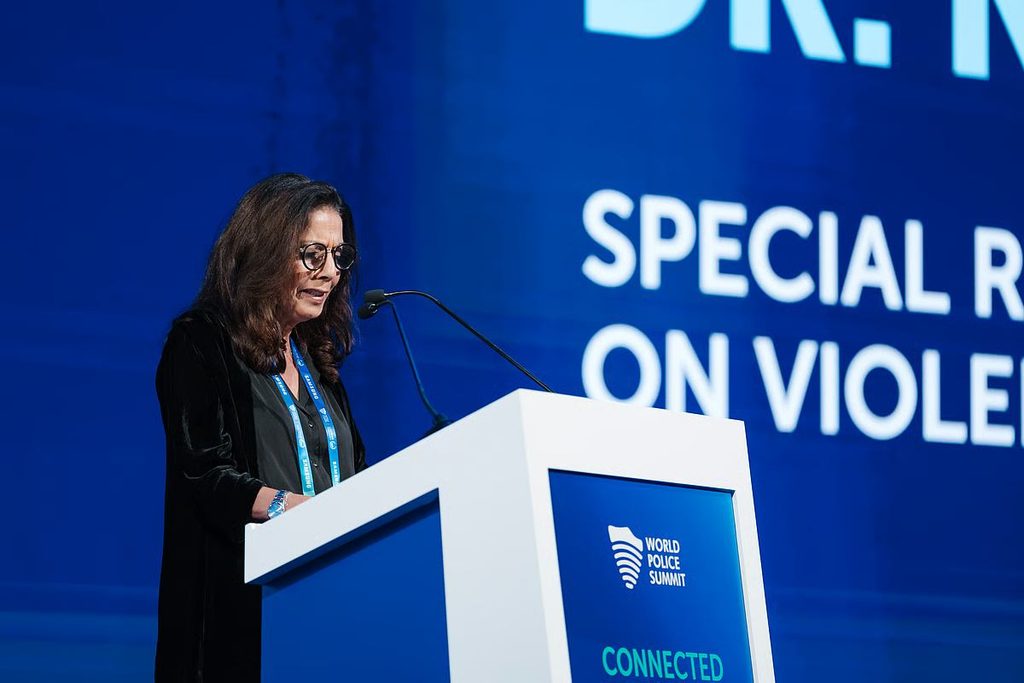
Dr Najat Maalla M’jid, United Nations Special Representative of the Secretary-General on Violence against Children, warned that millions of children face increasing risks of violence, human trafficking and sexual exploitation.
She noted that this year’s summit coincides with the 20th anniversary of the United Nations Study on Violence against Children, which established that violence against children is never justifiable and can always be prevented.
M’jid said global crises and geopolitical tensions have heightened children’s vulnerability, particularly among those affected by displacement and social instability.
She also warned that criminal networks are increasingly exploiting artificial intelligence, technological advances, legal loopholes and gaps in international cooperation to target and abuse children online.
She called for stronger intelligence sharing and closer international collaboration to address these growing threats.
Effective child protection, she said, requires a coordinated approach involving law enforcement agencies, social protection services, educational institutions, healthcare providers, the judiciary and technology companies.
M’jid stressed the importance of shifting from responding to individual cases towards proactive prevention, supported by interconnected protection networks operating both online and offline.
She also called for greater involvement of children in protection initiatives, describing their safety as a humanitarian responsibility that requires urgent international action.
Six international organisations join Dubai summit
The summit features an International Organisations Pavilion bringing together six international and regional organisations, led by the Gulf Cooperation Council Police Organisation (GCCPOL).
The pavilion also includes ASEANAPOL, the Caribbean Community (CARICOM), the United Nations Office on Drugs and Crime (UNODC), the Shanghai Cooperation Organisation (SCO) and the General Secretariat of the Council of Arab Interior Ministers.
More than 170 exhibitors showcase future policing technologies
Alongside conferences and strategic discussions, more than 170 exhibitors are presenting technologies and innovations aimed at transforming policing and public safety.
The exhibition features artificial intelligence-powered video analytics, surveillance systems, drones and counter-drone technologies, biometric identification, digital forensics, secure communications and case-management solutions.
Dedicated spaces for startups and academic institutions are also providing innovators and researchers with opportunities to engage directly with law enforcement agencies and develop practical solutions to emerging security challenges.
Other opening-day discussions focused on critical infrastructure protection, national security in the age of superintelligence, unmanned and asymmetric systems, human resilience through design, robotics and drones, institutional tracking systems and building world-class policing organisations.
The sessions examined how police agencies can strengthen operational readiness, adapt to technological advances and improve their ability to respond to increasingly complex security threats.

