

Abu Dhabi’s First Legally Protected Area: From Salt Flats to a Regional Conservation Model.
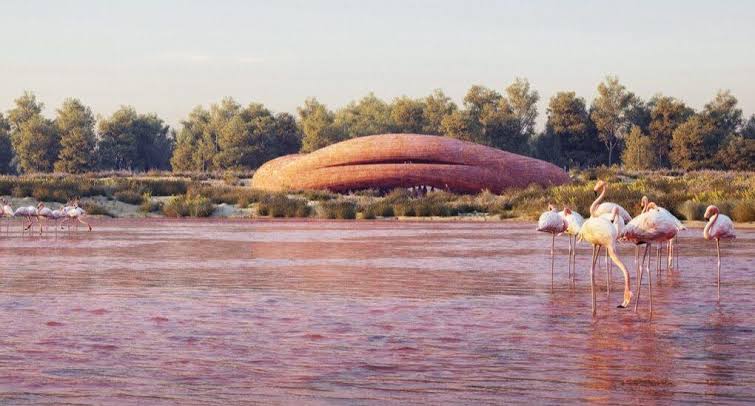
Abu Dhabi is internationally recognised for its sweeping desert landscapes and golden sand dunes. However, the emirate’s natural environment extends far beyond the desert, and Al Wathba Wetland Reserve is a remarkable example of its ecological diversity and longstanding commitment to environmental protection.
The reserve’s origins are closely linked to the vision of the late Sheikh Zayed bin Sultan Al Nahyan, whose dedication to preserving nature helped shape Abu Dhabi’s conservation efforts.
In 1998, Greater Flamingos successfully bred at Al Wathba, marking the first recorded breeding success of its kind in the Arabian Peninsula in decades. This significant ecological milestone highlighted the importance of protecting the habitat and the wildlife that depended on it.
Al Wathba subsequently became Abu Dhabi’s first legally protected area, establishing an important foundation for the emirate’s environmental conservation initiatives.
Today, the reserve continues to represent Abu Dhabi’s determination to preserve its natural heritage, protect biodiversity and maintain a sustainable environment for future generations.
From Salt Flats to a Thriving Wetland Ecosystem
Long before it became a protected wildlife sanctuary, Al Wathba was a coastal salt flat, commonly known as a sabkha.
These distinctive landscapes form in areas where groundwater lies close to the surface. Under the intense desert heat, moisture gradually evaporates, leaving behind a thin, fragile layer of salt.
Despite their seemingly barren appearance, such environments demonstrate how natural processes continue to shape ecosystems even under extreme climatic conditions.
Over time, Al Wathba has evolved into a diverse wetland habitat comprising both natural and artificial lakes.
These water bodies now support a wide variety of wildlife, providing essential habitats for numerous species found in Abu Dhabi.
What was once a largely exposed salt flat has become a flourishing ecological sanctuary, illustrating how effective conservation and habitat management can help nature thrive in an otherwise challenging desert environment.
Al Wathba Wetland Reserve Earns International Recognition
During the winter season, Al Wathba Wetland Reserve becomes home to more than 4,000 Greater Flamingos, which typically breed during this period. Beyond its importance as a wildlife sanctuary, the reserve demonstrates how environmental conservation can coexist with modern infrastructure.
For many visitors, one of its most memorable attractions is the spectacular sunset, when the fading sunlight reflects across the lakes and creates a picturesque setting for birdwatching and nature photography.
Much of the water sustaining the reserve’s lakes and diverse wildlife comes from the nearby Mafraq Water Treatment Works. This reliable water supply plays an important role in maintaining the wetland ecosystem despite Abu Dhabi’s dry climate.
The reserve’s ecological transformation has also attracted international recognition.
In 2013, Al Wathba was designated a Ramsar site, recognising its importance as a wetland of international significance.
Five years later, in 2018, it became the first protected area in the region to be included on the International Union for Conservation of Nature (IUCN) Green List of Protected and Conserved Areas.
These achievements reflect Abu Dhabi’s continued investment in environmental protection, biodiversity monitoring and sustainable habitat management.
A Sanctuary for Flamingos and Diverse Wildlife
Al Wathba Wetland Reserve is particularly famous for its population of Greater Flamingos, which can be observed during the autumn and spring seasons.
However, the reserve supports far more than its iconic pink birds.
It provides a habitat for over 260 bird species, 37 plant species and numerous forms of aquatic life, making it an exceptional centre of biodiversity within Abu Dhabi’s desert landscape.
The reserve’s conservation journey gained momentum in 1998, when Greater Flamingos successfully bred at the site. This was the first recorded successful breeding of the species in the Arabian Peninsula since 1922, highlighting the ecological importance of the area and the need for formal protection.
Alongside its environmental significance, Al Wathba has become an accessible destination for residents and tourists interested in exploring Abu Dhabi’s natural heritage.
Located approximately 30 minutes from Abu Dhabi city centre, the reserve features two self-guided walking trails measuring 1.5 kilometres and 3 kilometres.
Visitors can also use a dedicated birdwatching hide and an air-conditioned visitor centre to learn more about the wetland and its inhabitants.
Unlike conventional tourist attractions, Al Wathba has been intentionally maintained as a largely natural environment, without cafés or commercial establishments within the reserve.
This approach helps preserve its peaceful atmosphere and ensures that wildlife observation and environmental appreciation remain the main attractions.
Visitors planning a nature excursion are advised to bring a hat, sunscreen and a refillable water bottle. Binoculars are also recommended for a closer view of the flamingos and other bird species.
Looking Ahead: Preserving Abu Dhabi’s Natural Heritage
The UAE is home to eight natural reserves, with Al Wathba recognised as one of the country’s most visited nature destinations.
The reserve has traditionally offered free admission, allowing families, children and wildlife enthusiasts to discover its ecological treasures without an entrance fee.
It also serves as an important educational destination, helping younger generations understand the value of biodiversity and the importance of protecting natural habitats.
However, Al Wathba Wetland Reserve is currently temporarily closed for development until further notice.
Anyone considering a visit should check official announcements and reopening updates before making travel arrangements.
As conservation efforts continue, Al Wathba remains an important symbol of Abu Dhabi’s environmental vision, demonstrating how a former salt flat can be transformed into a thriving wildlife sanctuary through sustained protection and careful ecological management.
For decades, Al Wathba Wetland Reserve has symbolised Abu Dhabi’s dedication to environmental conservation. While its temporary closure may inconvenience visitors, the ongoing development reflects the reserve’s evolving role in protecting the emirate’s natural heritage for future generations.

