

Commuting Through Dubai’s Busy World Trade Centre Junction? Here’s What Changes From October 30.
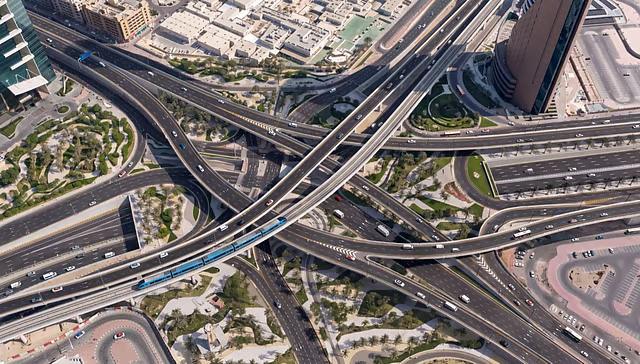
Dubai: Motorists who frequently travel through the Dubai World Trade Centre area will soon benefit from a major improvement to one of the city’s busiest road intersections.
After months of extensive construction and traffic diversions, Dubai’s Roads and Transport Authority (RTA) is preparing to open the fifth and final bridge of the World Trade Centre Roundabout Development Project on Friday, October 30.
The infrastructure upgrade, valued at more than Dh696 million, aims to significantly reduce congestion, shorten travel times and improve connectivity between several major roads in Dubai.
Although work continues on some surrounding roads, the opening of the final bridge marks an important milestone in the transformation of the World Trade Centre junction.
Where is Dubai’s new World Trade Centre bridge?
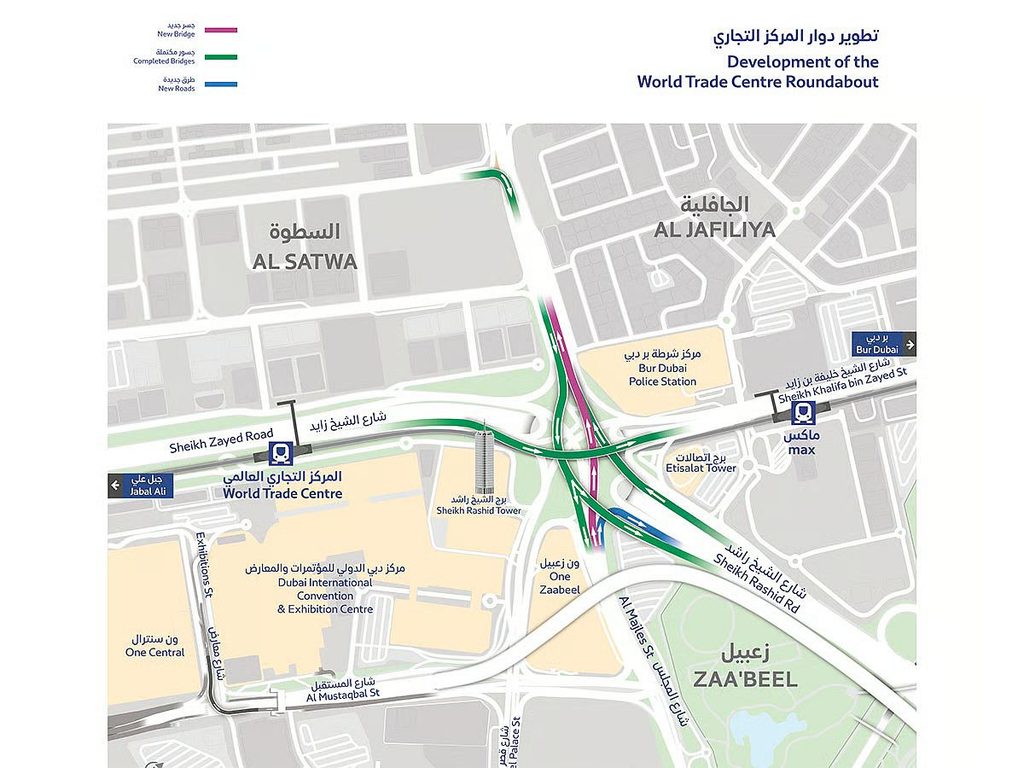
The new bridge forms part of the upgraded World Trade Centre Roundabout, a major traffic intersection linking Sheikh Zayed Road with five important streets:
- Sheikh Khalifa bin Zayed Street
- Sheikh Rashid Street
- 2nd December Street
- Za’abeel Palace Street
- Al Majlis Street
The junction serves as a vital connection for commuters travelling between Dubai World Trade Centre, Downtown Dubai, Dubai International Financial Centre (DIFC), Deira and nearby residential and commercial districts.
As one of the city’s key transport corridors, improvements at this intersection are expected to benefit thousands of motorists who use these routes daily.
Which roads will the new bridge connect?
The newly completed bridge provides a direct connection between Al Majlis Street and 2nd December Street.
Measuring approximately 1,000 metres (1 kilometre) in length, the two-lane structure is designed to accommodate around 3,000 vehicles every hour.
The new connection will allow motorists to travel more directly between the two streets, reducing the need to navigate the previously congested roundabout.
It is the fifth and final bridge constructed under the World Trade Centre Roundabout Development Project.
With its opening, the project will feature a complete network of five bridges extending a combined distance of approximately 5 kilometres.
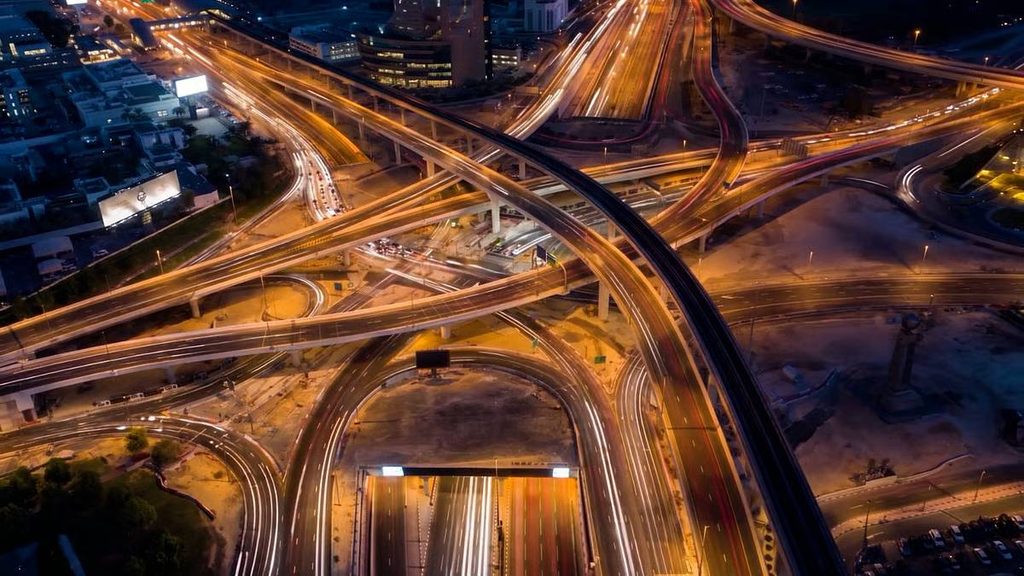
How much travel time will Dubai motorists save?
The new bridge and associated road improvements are expected to deliver substantial time savings for drivers travelling through the World Trade Centre area.
According to RTA, the upgraded intersection will provide the following benefits:
- Al Majlis Street to 2nd December Street: Journey times will decrease from approximately six minutes to just one minute.
- Average intersection delays: Waiting times are expected to fall from 12 minutes to around 90 seconds.
- Improved traffic movement: Motorists should experience smoother connections between Sheikh Zayed Road, Al Mustaqbal Street, Sheikh Rashid Street and neighbouring roads.
These changes are intended to ease congestion, particularly during peak commuting periods when traffic volumes are highest.
The new bridge network will also allow vehicles to bypass parts of the former roundabout, helping traffic move more efficiently between major routes.
How has the World Trade Centre Roundabout changed?
The World Trade Centre Roundabout Development Project involves a comprehensive redesign of the existing road layout.
The former roundabout has been transformed into a ground-level intersection, supported by five elevated bridges designed to improve traffic flow in multiple directions.
The upgraded road network aims to separate key traffic movements, reduce congestion at busy junctions and provide more direct connections between surrounding streets.
The opening of the final bridge on October 30 represents the completion of a major component of the project, while additional improvements to nearby roads continue.
Together, these changes are expected to make daily journeys through the Dubai World Trade Centre area faster and more convenient for motorists.
The World Trade Centre Roundabout Development Project includes several major bridge connections designed to improve traffic movement across Dubai’s busiest roads.
The upgraded infrastructure comprises:
- Sheikh Zayed Road to Sheikh Khalifa bin Zayed Street: A 1-kilometre, two-lane bridge providing a direct connection towards Deira, with the capacity to accommodate approximately 3,000 vehicles per hour.
- Sheikh Rashid Street to 2nd December Street: Two bridges featuring two lanes in each direction, extending a combined 2 kilometres and capable of handling up to 6,000 vehicles per hour.
- Al Majlis Street to 2nd December Street: Two bridges covering a total distance of 2 kilometres, including the final structure scheduled to open on Friday, October 30. Together, they can accommodate approximately 6,000 vehicles per hour.
These connections are designed to distribute traffic more efficiently, reduce pressure on the main intersection and provide motorists with smoother journeys between key destinations.
Which Dubai roads and neighbourhoods will benefit from the new bridges?
The upgraded World Trade Centre junction is expected to improve road connectivity for motorists travelling between several major areas of Dubai.
The principal locations benefiting from the project include:
- Jumeirah
- Al Satwa
- Dubai World Trade Centre
- Dubai International Financial Centre (DIFC)
- Deira
Surrounding residential and commercial neighbourhoods, including Za’abeel, Al Satwa, Al Karama, Al Jafiliya and Al Makhoul, are also expected to experience improved accessibility and reduced traffic congestion.
According to Dubai’s Roads and Transport Authority (RTA), the development is projected to benefit more than 500,000 residents and visitors.
This includes daily commuters, local residents, business professionals and visitors travelling to exhibitions, conferences and other major events at Dubai World Trade Centre.
By improving connections between these districts, the project aims to make travel more efficient while supporting the movement of people and vehicles across central Dubai.
Why are roadworks continuing near Dubai World Trade Centre?
Motorists may continue to notice construction activity around the World Trade Centre area even after the final bridge opens on October 30.
While the opening will mark the completion of the World Trade Centre Roundabout Development Project, a separate major road improvement scheme remains under construction nearby.
As a result, drivers may still encounter temporary traffic diversions, construction zones or changes to road access in the surrounding area while the additional infrastructure works continue.
The Al Mustaqbal Street Development Project is another major road infrastructure initiative currently underway near Dubai World Trade Centre.
The project covers the section of Al Mustaqbal Street extending from its intersection with Za’abeel Palace Street to Financial Centre Street.
Designed to improve traffic capacity and reduce congestion, the development includes several significant upgrades:
- Road widening: Expanding Al Mustaqbal Street from three to four lanes in each direction to accommodate more vehicles.
- New bridges and tunnels: Constructing additional infrastructure spanning a combined distance of approximately 1.5 kilometres.
- Increased road capacity: Boosting the street’s traffic-handling capacity by 33 per cent.
- Shorter travel times: Reducing journey times from approximately 13 minutes to six minutes.
These improvements are expected to enhance traffic flow along one of Dubai’s important routes connecting major commercial and residential areas.
When will the remaining roadworks near Dubai World Trade Centre be completed?
The Al Mustaqbal Street Development Project is scheduled for completion in 2027, according to the announced project timeline.
Once completed, the upgraded street will work alongside the newly developed World Trade Centre bridge network to improve connectivity across central Dubai.
The combined improvements are expected to provide more efficient access between the city’s major business districts and surrounding residential communities.
They will also help accommodate increasing traffic volumes as Dubai’s population, commercial activity and transport demands continue to grow.
For motorists, the completion of both projects is expected to mean shorter commutes, improved road connections and smoother traffic movement through the Dubai World Trade Centre area.

