

Dubai shared housing rules: Key details on inspections, tenants and rent payments.
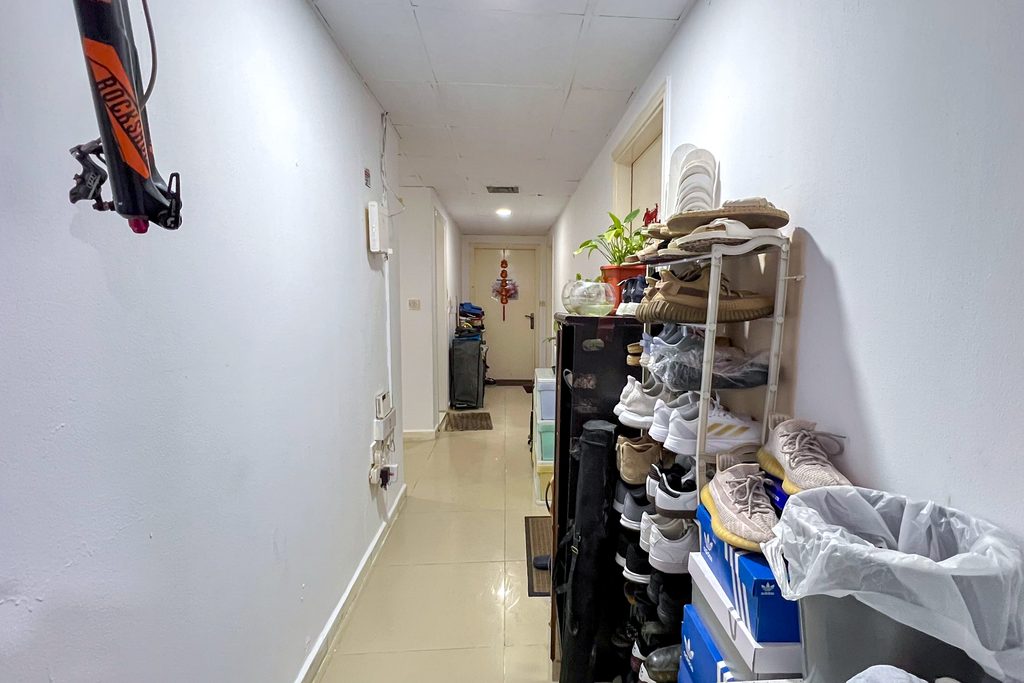
Dubai: Dubai’s new shared housing law is now in force, prompting questions among tenants about whether inspections and enforcement will begin immediately.
As first reported by, Law No. (4) of 2026, which regulates the management and occupancy of shared housing, came into effect on Wednesday, August 26, 2026, 180 days after its publication in the Official Gazette on February 27.
Issued by Sheikh Mohammed bin Rashid Al Maktoum, Vice-President and Prime Minister of the UAE and Ruler of Dubai, the law applies across the emirate, including private development zones and free zones. Units designated for collective labour accommodation are excluded.
The legislation aims to regulate shared housing, prevent overcrowding and informal accommodation, improve safety standards and protect the rights of both landlords and residents.
The new law aims to regulate shared housing in Dubai by protecting owners and residents, improving health and safety standards, preventing overcrowding and informal accommodation, addressing property and land-use violations, and promoting fair rental practices.
Are inspections starting immediately?
Not exactly. Dubai has long conducted inspections targeting overcrowding, illegal partitions and other housing violations, so those checks will continue.
What is new is the enforcement of Law No. (4) of 2026, including checks on shared-housing permits, registered contracts, occupancy limits and compliance with the new standards.
Dubai Municipality told Gulf News that law-specific enforcement will be introduced in line with the official enforcement timeline and after the relevant procedures are finalised. In other words, the law is now in effect, but the full inspection and enforcement system is still being put in place.
What changes now is that inspections specifically aimed at enforcing Law No. (4) of 2026 will eventually check for valid shared-housing permits, registered contracts and compliance with the categories and standards set by the legislation.
Dubai Municipality has confirmed that this enforcement will be introduced in line with the law’s official enforcement timeline and once the relevant procedures are finalised. In other words, while the law is now in force, the specific inspection and enforcement system is still being put in place.
One-year grace period
Owners, operators and companies already running shared-housing units have been given one year from August 26, 2026, to bring their properties into compliance with the new rules. This means the initial compliance period runs until August 26, 2027. The period can also be extended once by a decision of the Dubai Municipality Director-General.
The municipality has clarified that this grace period serves as a warning and regulatory period, giving existing operators time to meet the new requirements before penalties under the new framework are applied.
This grace period may be extended once, if necessary, by a decision of the Dubai Municipality Director-General. Dubai Municipality has also clarified that the one-year period itself serves as a warning and regulatory phase before penalties are applied.
New permits and register
Two key parts of the new system still need to be put in place before the law can be fully enforced: the shared-housing permit system and the electronic registry.
Dubai Municipality will issue and renew permits in coordination with the Dubai Land Department, with the procedures to be announced through the municipality’s approved digital platforms once they are finalised. Permits will generally be valid for one year, with a two-year option available at the owner’s request.
The Dubai Land Department will also manage a dedicated electronic shared-housing registry, linked to Dubai Municipality’s unified digital platform. The registry will record key details such as the property, residents and lease or management arrangements.
First, Dubai Municipality, in coordination with the Dubai Land Department (DLD), has yet to announce the detailed process for obtaining the new shared-housing permit. The application system will be made available through Dubai Municipality’s digital platforms once the official procedures and requirements are finalised.
Second, the DLD’s Shared Housing Register is still awaiting its operational rollout. The electronic registry will record approved units, tenancy contracts and resident information and will be linked to Dubai Municipality’s unified digital platform.
The new framework will also introduce standardised tenancy and management contracts and a dedicated rental index for shared housing, separate from Dubai’s existing rental index.
Will inspectors be outsourced?
One notable feature of Dubai’s new shared-housing law is that inspections do not necessarily have to be carried out by Dubai Municipality itself.
The law allows the competent authority to assign inspection and monitoring responsibilities to public or private entities through formal agreements that define their respective duties and obligations.
In practical terms, this means Dubai Municipality could outsource certain inspection and monitoring work rather than handling every inspection directly.
The law also calls for regular and surprise inspection campaigns and the creation of a unified inspection and monitoring system for shared housing across Dubai. However, authorities have not yet announced when the new system will officially become operational.
Can tenants actually be evicted?
Yes, eviction is possible under the new law, but it is not automatic or immediate.
Properties that violate permit requirements can be ordered to vacate following a decision by an execution judge. Authorities may also suspend an operator for up to six months, cancel permits, coordinate the cancellation of a trade licence, disconnect utilities, or refuse to register tenancy or management contracts for non-compliant properties.
Importantly, cancelling a permit or suspending an operator does not mean tenants must leave immediately. The law allows authorities to let occupants remain for a specified period and requires them to be given sufficient time to arrange alternative accommodation.
So, for tenants, the key point is that the law provides a process for dealing with non-compliant shared housing, rather than an automatic same-day eviction mechanism.
For now, with the new permit system and Shared Housing Register still pending and formal law-specific inspections yet to begin, immediate evictions under the new framework are not expected.
Fines that can double
Once enforcement begins, violations under the law can attract fines ranging from Dh500 to Dh500,000. If the same offence is repeated within one year, the fine can be doubled, up to a maximum of Dh1 million.
However, the law does not assign Dh500,000 or Dh1 million to every violation. The specific offences and corresponding fines will be set out in the executive regulations to be issued later.
Who can rent out shared housing?
Under Dubai’s new shared-housing law, only property owners or authorised establishments can lease approved shared-housing units. A property must also have the required permit before it can be designated for shared accommodation.
Owners can arrange leasing in three ways: rent directly to residents, appoint a licensed establishment to manage and lease the property on their behalf, or lease the unit to an establishment that then subleases it to residents.
Tenants barred from subletting
One of the law’s clearest changes is that tenants and other occupants cannot sublet a shared-housing unit or any part of the space allocated to them.
In effect, the authorised leasing chain runs from the property owner to an authorised operator and then to the resident. Residents themselves cannot step into the role of landlord by renting out rooms, partitions or bed spaces to others.
Who can live in shared housing?
Under Dubai’s new shared-housing law, accommodation can be designated for six main categories of residents: families, individual women, individual men, female students, male students, and government employees or workers employed by private companies and institutions.
The law also recognises six types of properties that can be used for shared housing: apartments, detached houses, residential complexes, mixed-use buildings, townhouses and multi-storey buildings.
Shared housing refers to properties where individuals or families are allocated designated living spaces while sharing facilities such as kitchens, dining areas, bathrooms and outdoor spaces.
Government entities, private companies and educational institutions can also provide shared accommodation for employees, workers and students, provided the units are properly licensed and comply with the approved standards.
How rent must be paid
The new law sets a default payment structure for shared housing. Rent must generally be paid monthly and in advance, unless the landlord and occupant agree to a different arrangement in the tenancy contract.
Electricity and water consumption charges are included in the rent by default, unless both parties agree otherwise. Even when they are handled separately, the landlord remains responsible for settling the utility charges with the relevant provider.
This gives shared-housing tenants greater clarity over their regular rental costs, while allowing landlords and occupants to agree on alternative payment arrangements through the tenancy contract.

