

New parental guide outlines how to support children during distance learning without taking on teaching responsibilities.
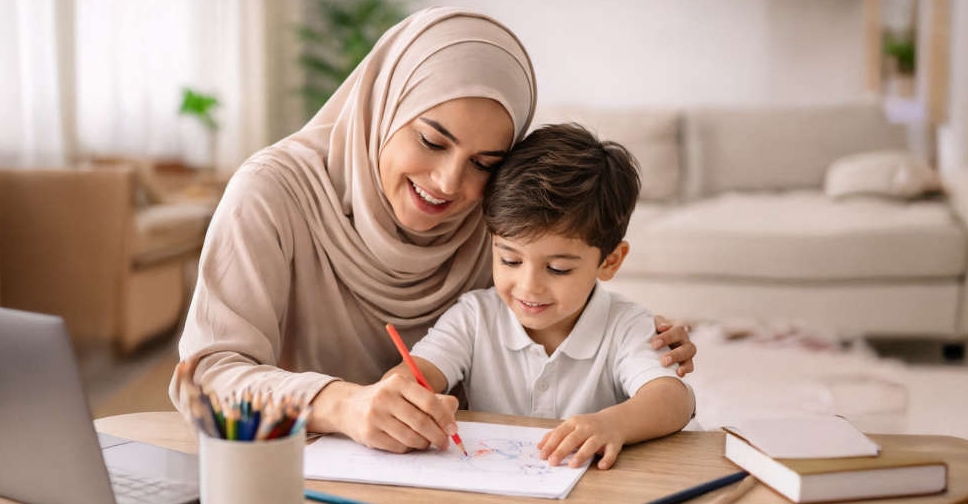
Dubai: Dubai’s Knowledge and Human Development Authority (KHDA) has unveiled a new guide aimed at helping parents support their children during distance learning.
The Parent Guide to Supporting Your Child During Distance Learning offers practical advice to assist families in managing home-based learning, the authority announced on Tuesday.
The guide emphasizes promoting wellbeing, enhancing communication between parents and schools, and sustaining learning, while acknowledging that every family’s circumstances are unique.
The guide makes it clear that parents are not expected to act as teachers. Schools continue to hold responsibility for teaching, lesson planning and delivery, monitoring student progress, and providing support. It underscores that progress is more important than perfection and that calm encouragement, consistent routines, and regular communication with schools can have a significant impact.
It identifies five key priorities to help parents and caregivers support their children in a straightforward and manageable way. The guide also highlights the importance of clear home-school communication and provides practical steps parents can take to reduce confusion, address issues early, and ensure their children receive the support they need.
Strengthening positive partnerships
Fatma Belrehif, CEO of the Quality Assurance and Compliance Agency at KHDA, said: “This guide demonstrates our commitment to supporting parents during distance learning and fostering a strong partnership between schools and families to ensure continuity of education and student wellbeing.
“The collaboration we’ve seen across our community continues to make our education system more resilient and adaptable. We are grateful for the dedication of our teachers, the flexibility of our students, and the ongoing support of families as we move forward together, ensuring learning remains of a high standard.”
Age-appropriate guidance
The guide provides simple, age-appropriate advice for parents of children at all stages, from early years to senior school.
It emphasizes that younger children and those in early primary years need more hands-on support during distance learning, including short and simple activities, consistent routines, reassurance, and regular breaks.
Older students are generally more independent but still benefit from structure, encouragement, and regular check-ins. Without this support, they may lose focus, fall behind, or feel overwhelmed.
The guide also offers targeted advice for students needing additional support, including those with learning difficulties, younger children, or those facing anxiety, family pressures, or other barriers to learning. It addresses challenges related to mental health, behaviour, and engagement.
Parents can access the full guide on the KHDA website.
Separate school guidelines
As first reported by Gulf News, KHDA had previously published a comprehensive framework outlining the minimum quality standards that private K–12 schools must meet during periods of distance learning.
The guidelines, titled Quality Expectations for Effective Distance Learning, are structured around three core areas: students’ access, participation, wellbeing, and safeguarding; teaching, learning, assessment, and feedback; and leadership, communication, and readiness for flexible delivery.
Schools have been instructed to review their existing arrangements against these standards and make necessary improvements within two weeks of receiving the document.

