

Over one million working hours invested in the restoration and transformation of historic Al Fahidi Fort.
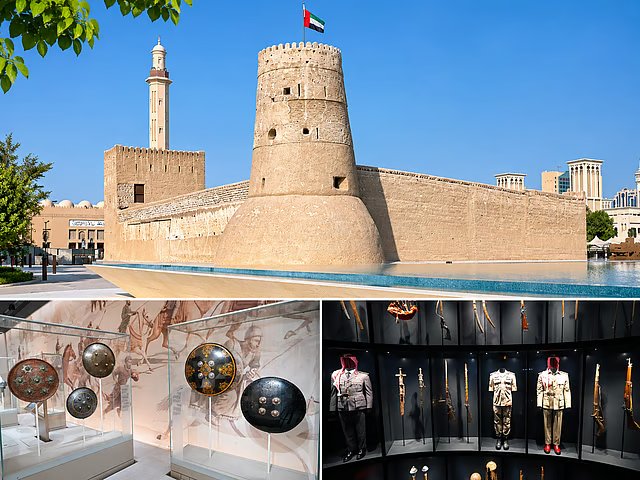
Dubai: A new museum now stretches 16.5 metres beneath the walls of Dubai’s oldest surviving building, following a six-year redevelopment of Al Fahidi Fort that involved more than one million working hours and preserved the centuries-old structure without any structural damage.
Sheikha Latifa bint Mohammed bin Rashid Al Maktoum, Chairperson of Dubai Culture and Arts Authority (Dubai Culture), announced the fort’s opening to the public today.
Originally built in 1787, the historic landmark now houses more than 700 heritage and historical artefacts across six main galleries, showcasing more than 8,000 years of history.
Formerly home to Dubai Museum, the restored fort has been reimagined to tell the story of the building itself and its place in the emirate’s history. Its new exhibitions feature royal military collections, Islamic arms and armour, archaeological discoveries and personal accounts from people associated with the fort.
How Dubai preserved its oldest surviving building
Building three underground floors beneath a centuries-old structure presented one of the redevelopment project’s biggest engineering challenges.
The solution involved temporarily raising and supporting the historic structure to create space for the new museum underneath, while protecting the original building.
Speaking to, Maryam Muzaffar Ahli, Director of the Collections and Art Evaluation Department at Dubai Culture, said heritage conservation specialists used a predictive protection system throughout the redevelopment.
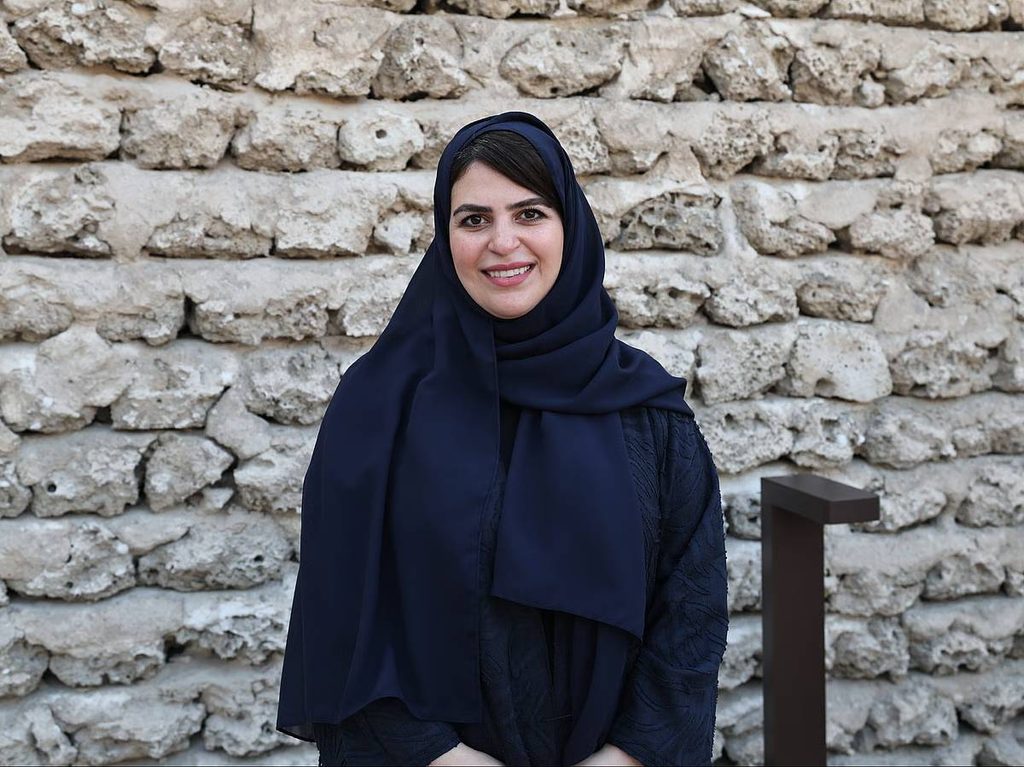
“This included monitoring systems, monitoring prisms and time-lapse cameras installed around the area and on the fort itself to identify any potential issues and ensure that the work was being carried out safely,” she said.
“These systems provided us with live data, allowing us to prevent any damage to the fort before it occurred. This predictive methodology also earned us an international innovation award.”
Protective materials were installed around the fort and its tower, while monitoring systems continuously tracked the building’s structural condition during construction.
“The project itself took around five to six years, while the construction work lasted three years,” Ahli said.
“Upon completion, we ensured that there was no irreversible damage and zero structural impact on the fort.”
Three underground floors transform the visitor experience
When Dubai Museum first opened in 1971, its exhibits were housed entirely within the fort. A subsequent expansion in 1994 introduced one underground floor, extending three metres below ground level.
The latest redevelopment has taken that concept considerably further.
“With the new development, we went 16.5 metres underground, building three floors instead of one,” Ahli said.
The expanded facility accommodates exhibition galleries, visitor amenities, collection storage areas and specialised conservation laboratories.
The redevelopment has also changed how visitors experience the landmark. Previously, visitors entered through the fort before moving into the underground museum and exiting from there.
“This time, visitors enter through the new building and exit through the fort. That was intentional because we wanted the last stop in the visitor’s journey, and the lasting memory of their visit, to be the fort itself,” she said.
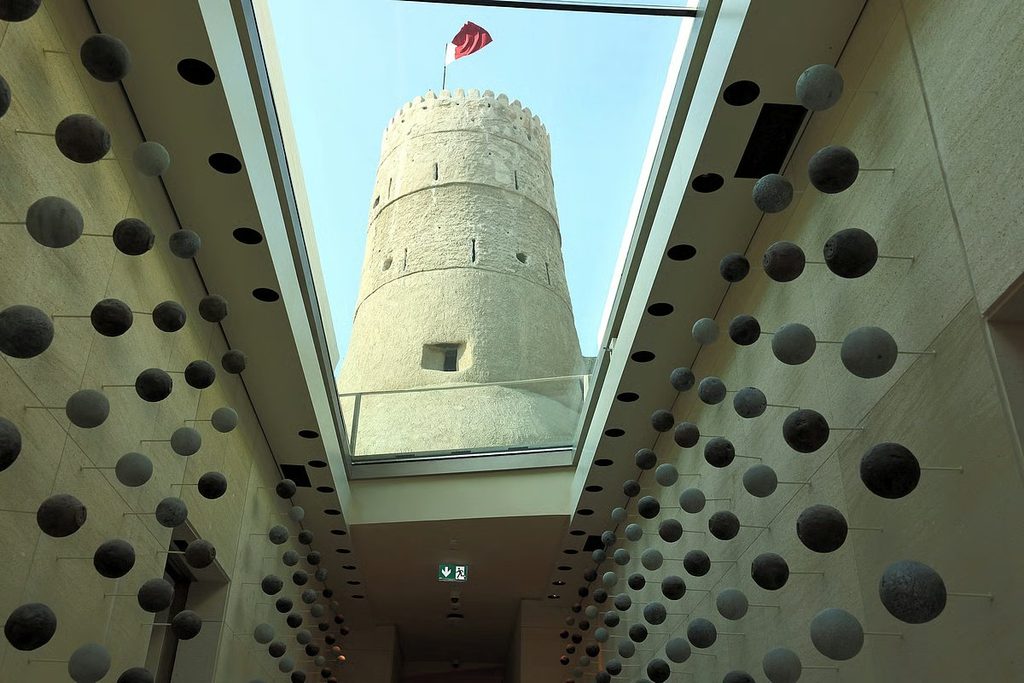
Interactive screens allow visitors to explore individual artefacts in greater detail, while audiovisual installations add another dimension to the traditional displays.
Inside The Vault: Sheikh Mohammed’s military collection
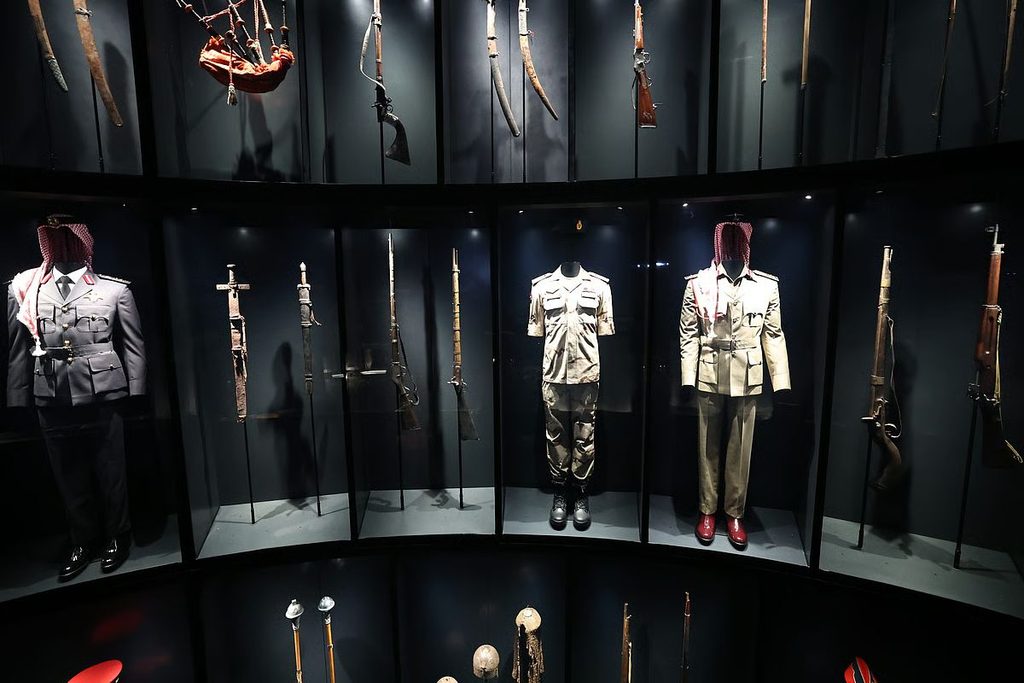
One of the museum’s main attractions is The Vault, an immersive gallery dedicated to the personal military collection of His Highness Sheikh Mohammed bin Rashid Al Maktoum, Vice President and Prime Minister of the UAE and Ruler of Dubai.
The exhibition traces his military career alongside the development of defence in Dubai and the UAE. It brings together personal collection items, including military uniforms, communications equipment, musical instruments and historical defence objects.
Immersive lighting and sound installations complement the displays, offering visitors a closer look at the evolution of the emirate’s military institutions.
Sheikh Mohammed was appointed Head of Dubai Police and Public Security in 1968. In 1971, aged 22, he became the UAE’s first Minister of Defence, making him the world’s youngest defence minister at the time, according to official biographies.
Sheikh Saeed’s early 1900s dagger on display
Among the museum’s notable historical pieces is a dagger dating back to the early 20th century that belonged to the late Sheikh Saeed bin Maktoum Al Maktoum, former Ruler of Dubai.
Its hilt is crafted from rhinoceros horn, while the leather-covered sheath features silver-thread decoration and engraved silver plates.
The traditional belt, known locally as al-sabta, is embroidered with gold thread and includes a small pouch called al-misnafa.
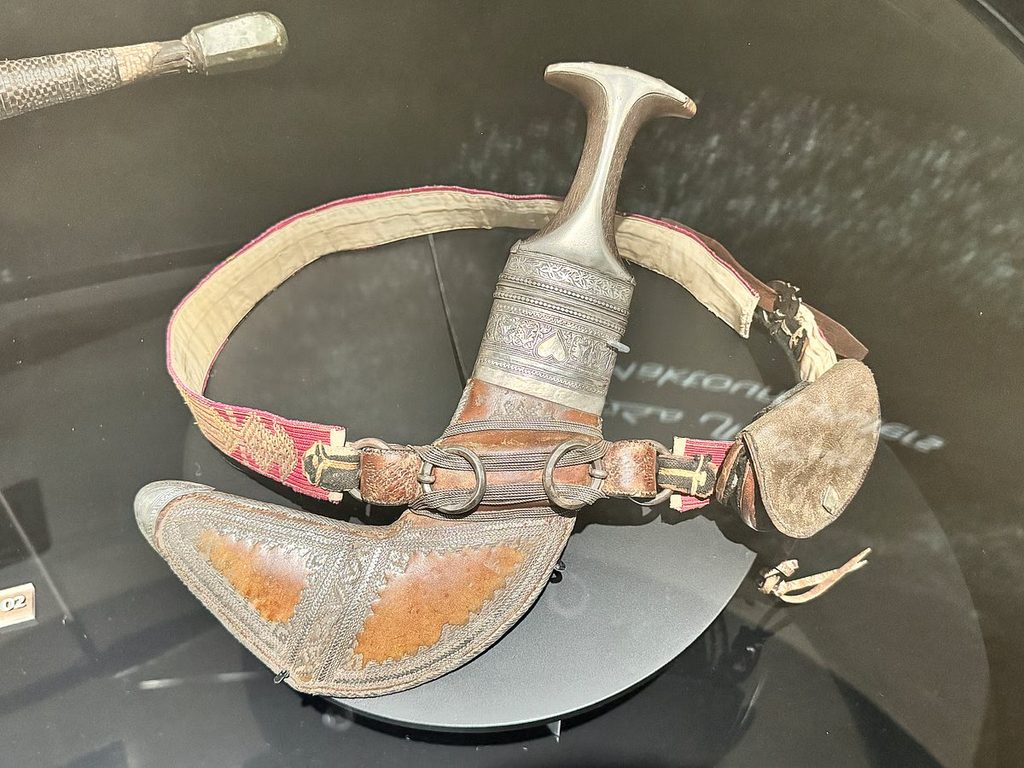
The artefact offers a glimpse into the craftsmanship and personal possessions associated with Dubai’s ruling family during that period.
More than 100 artefacts from the Islamic world
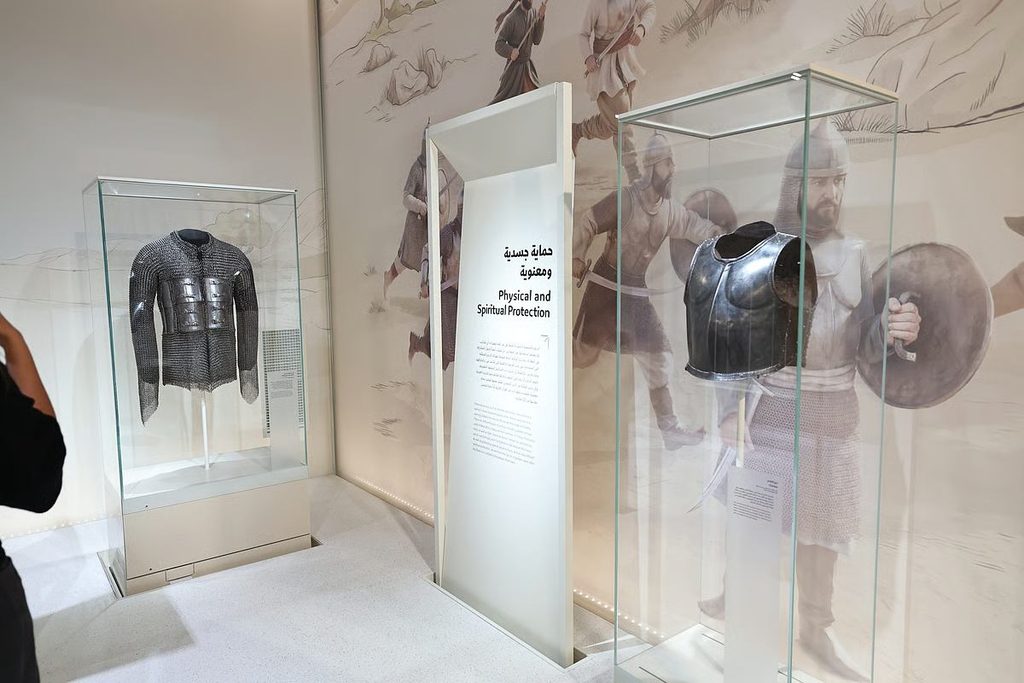
Once used to store weapons and military equipment, Al Fahidi Fort now houses a dedicated Islamic Arms and Armour gallery featuring more than 100 artefacts. The collection took three years to source.
The exhibition explores how Islamic civilisation influenced the development of weaponry, highlighting the materials, designs, manufacturing methods and craftsmanship behind historical arms and armour.
Among the displays are rare Mamluk-era pieces, alongside shields, swords and other weapons from regions and empires spanning the Balkans, Persia, India and Egypt.
Some artefacts feature precious stones, while others showcase intricate Arabic calligraphy and decorative techniques that reflect the artistic traditions of different periods in Islamic history.
Archaeological discoveries and personal memories
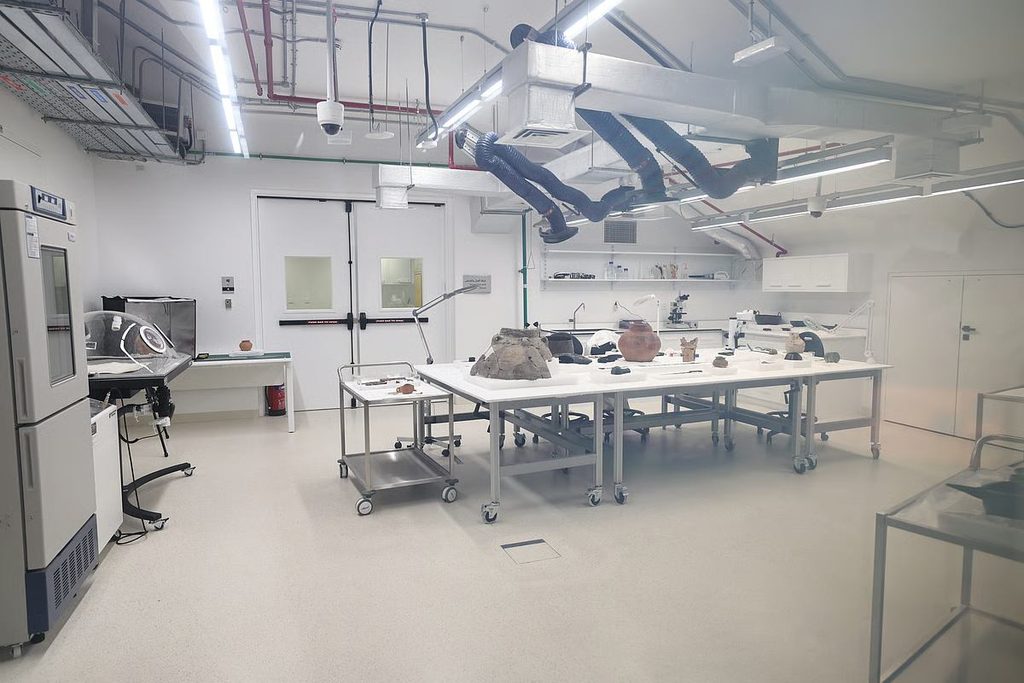
The museum’s historical narrative extends beyond the fort itself through a temporary exhibition featuring archaeological finds from across Dubai, including artefacts dating back to the Iron Age.
The display highlights Dubai Culture’s Athar Dubai archaeological initiative and its wider heritage preservation efforts. Specialised conservation laboratories have also been incorporated into the redevelopment.
Dubai has recorded 32 archaeological sites, including 10 discovered between 2024 and 2026. Over the same period, 362 artefacts and 28 archaeological landmarks were restored.
Another gallery, Memories of Al Fahidi Fort, focuses on the people connected to the landmark through oral histories, personal recollections and recorded testimonies.
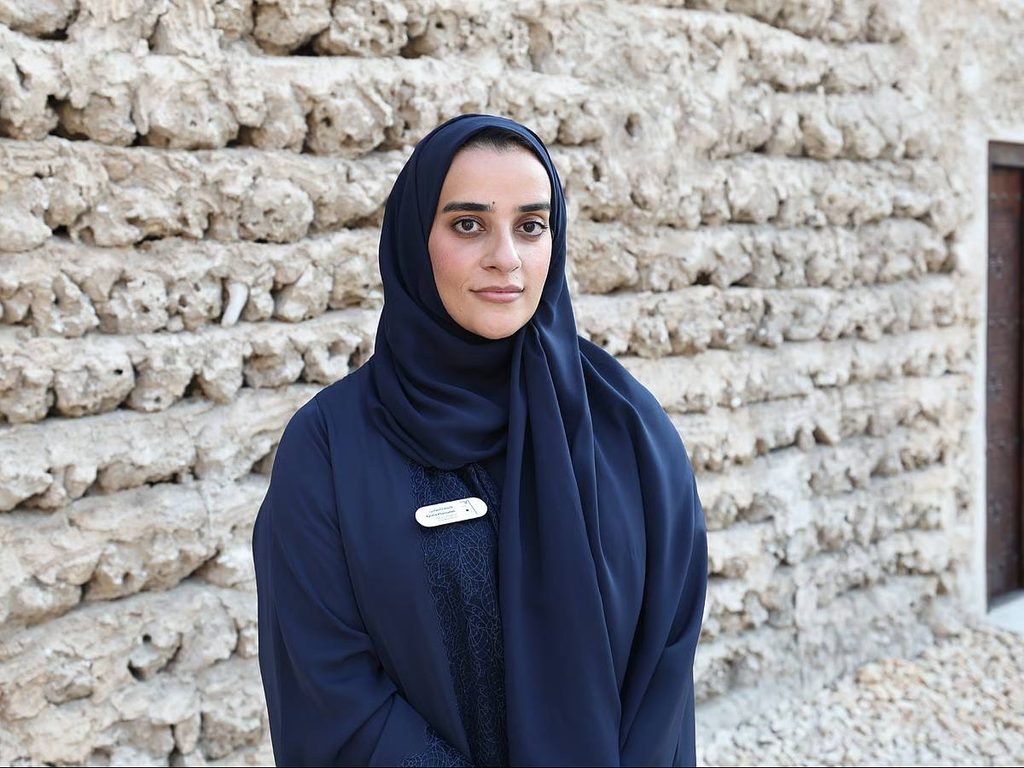
Speaking to, Ayisha Khansaheb, Director of Al Fahidi Fort and Specialised Museums at Dubai Culture, said the museum had spent more than three years gathering oral accounts and would continue adding to its collection through community engagement.
“We are more than happy to welcome people who come forward with stories to tell about the fort. There may be people we have not yet approached who have their own stories to share or whose grandparents passed down stories about the fort,” she said.
“Collecting oral histories is a continuous process, and it is particularly important in the UAE, where much of our history has been passed down orally rather than documented in writing.”
A historical map beneath visitors’ feet
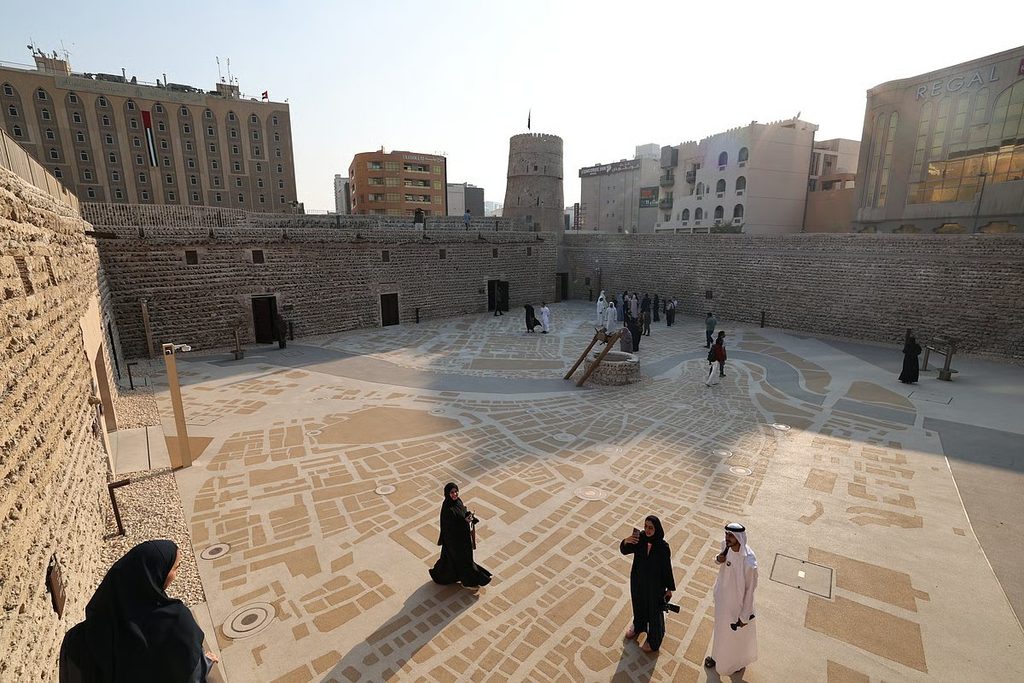
Even the fort’s courtyard floor has been designed to tell a story. Its pattern recreates a historical map of Dubai Creek, showing nearby settlements and defensive positions.
The design illustrates the strategic importance of the fort’s location and how the creek and surrounding geography shaped Dubai’s early defences.
Another significant feature is a cannon beside which the late Sheikh Rashid bin Saeed Al Maktoum was photographed during the opening of Dubai Museum in 1971.
Fifty years later, in 2021, his grandson, Sheikh Hamdan bin Mohammed bin Rashid Al Maktoum, Crown Prince of Dubai, was photographed at the same spot to mark the announcement of the fort’s rehabilitation project.
The two photographs are now displayed side by side, connecting the landmark’s history with its latest transformation.
From defensive stronghold to museum
Constructed using locally sourced materials such as gypsum and coral stone, Al Fahidi Fort reflects the traditional coastal fortification style once used across the UAE. These structures protected nearby settlements and often served as residences for ruling families.
Its strategic location also made it an important centre for trade during the 19th century. Over time, the fort evolved beyond its military role, becoming a focal point for the emirate’s social, commercial and political activities.
Although the Al Maktoum family moved its residence to Al Shindagha in 1896, the fort continued to serve important administrative functions. It was subsequently used as a government centre, jail and armoury.
In 1971, the historic building became home to Dubai Museum, one of the UAE’s earliest museums. More than five decades later, its latest redevelopment puts the fort itself at the heart of a renewed museum experience.
“It reflects the true spirit of Dubai as a modern, innovative city that still looks to its roots and heritage. Visitors are walking through an immersive, modern museum experience while still looking to the past as an anchor,” said Ayisha Khansaheb.