

Sharjah’s Al Taawun Tunnel first phase to open in November 2026 ahead of book fair.
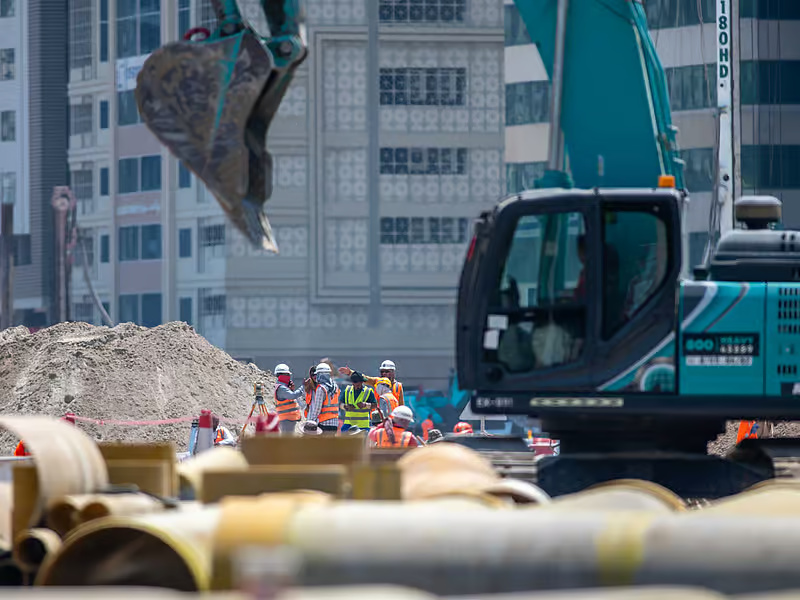
Motorists travelling between Sharjah and Dubai are set to benefit from shorter waiting times and smoother traffic flow with the opening of the first phase of the Al Taawun Tunnel project, which is expected to reduce waiting times by up to 85 per cent.
The project includes a 500-metre underground tunnel beneath Al Taawun Roundabout, creating a more direct route between Al Taawun Street, Al Nahda Bridge and Dubai.
The first phase, which includes the tunnel and connecting roads leading towards Sheikh Mohammed bin Zayed Street and Emirates Road, is expected to open in November 2026, ahead of the next edition of the Sharjah International Book Fair.
The full Al Taawun Tunnel project is scheduled for completion in February 2027.
How will the new Al Taawun Tunnel reduce traffic?
The underground route will provide a direct connection between Al Taawun Street, Al Nahda Bridge and Dubai, allowing motorists to bypass the surface-level roundabout and continue along a more seamless, uninterrupted route.
The tunnel is designed to reduce pressure on existing junctions and the roundabout, where traffic can build up significantly during peak periods.
The project is expected to cut waiting times by up to 85 per cent, helping motorists move more efficiently through one of the key traffic corridors connecting Sharjah and Dubai.
How many vehicles will the Al Taawun Tunnel handle?
The tunnel will be supported by a new signalised intersection capable of handling around 4,200 vehicles per hour in each direction during peak periods.
The additional capacity is expected to improve traffic flow around the tunnel and surrounding roads, while easing pressure on existing surface-level junctions.
The upgraded road network will also provide more direct access to Expo Centre Sharjah, an important destination for visitors and commuters in the Al Taawun area.
Where will the Al Taawun Tunnel take motorists?
The tunnel will provide a direct connection from Al Taawun Street towards Al Nahda Bridge and Dubai, allowing motorists to bypass the surface-level roundabout.
The wider project also includes connecting roads leading towards Sheikh Mohammed bin Zayed Street and Emirates Road, creating additional links between key routes in Sharjah and the wider UAE road network.
The project is also expected to form part of a future transport corridor connecting Al Taawun Street with Al Noor Road.
Why is the Al Taawun Tunnel important?
Al Taawun Street has become an increasingly important traffic artery between Sharjah and Dubai, carrying large volumes of motorists between the two emirates each day.
The growing importance of the route was among the factors behind the decision to move traffic underground at Al Taawun Roundabout. The aim is to create a smoother and more efficient corridor between Sharjah and Dubai while easing congestion at one of the area’s key surface-level intersections.
What happened to the Al Taawun Roundabout monument?
Construction of the underground tunnel required the temporary removal of the iconic Al Taawun Roundabout monument.
Before work began, engineering teams inspected the monument’s foundations and found that they were deeply embedded in the ground. This made it difficult to construct the tunnel underneath without first dismantling the structure.
Sheikh Dr Sultan bin Muhammad Al Qasimi, Supreme Council Member and Ruler of Sharjah, has reassured residents that the monument will not disappear permanently.
The iconic structure will be redesigned and rebuilt at its original location once construction of the tunnel project is complete.
When will the Al Taawun Tunnel open?
The first phase of the project is expected to open in November 2026, ahead of the next edition of the Sharjah International Book Fair. The full project is scheduled for completion in February 2027.
What other road improvements are happening in Sharjah?
The Al Taawun Tunnel is part of wider road development projects across Sharjah aimed at increasing capacity, improving traffic flow and reducing journey times.
Another major project is the Sheikh Khalifa bin Zayed Street–Maliha Street intersection, which includes a three-lane overpass stretching about 500 metres, along with surface roads extending nearly 2.5km.
The Dh140-million project is expected to double traffic-flow efficiency and cut journey times for motorists travelling from central Sharjah towards Maliha Road from around 20 minutes to approximately 10 minutes.
Sharjah has also expanded capacity on Emirates Road, where two additional lanes were opened along a five-kilometre stretch towards Wadi Al Amardi. The expansion increased the road from six to eight lanes and is expected to boost capacity by about 33 per cent while reducing peak-hour journey times by up to 25 per cent.
Road maintenance and safety works are also continuing in several areas, including Al Jazzat and Al Hazana. Recent projects included road resurfacing and the renewal of road markings, covering stretches of 785 metres in Al Jazzat and 730 metres in Al Hazana.
As traffic volumes rise with schools reopening and daily commuting between Sharjah and Dubai returning to full pace, the new Al Taawun Tunnel is expected to add capacity to one of the emirate’s busiest corridors, helping motorists travel through the area faster and more efficiently.

