

Following weeks of losses, prices are climbing, reflecting a change in market sentiment.
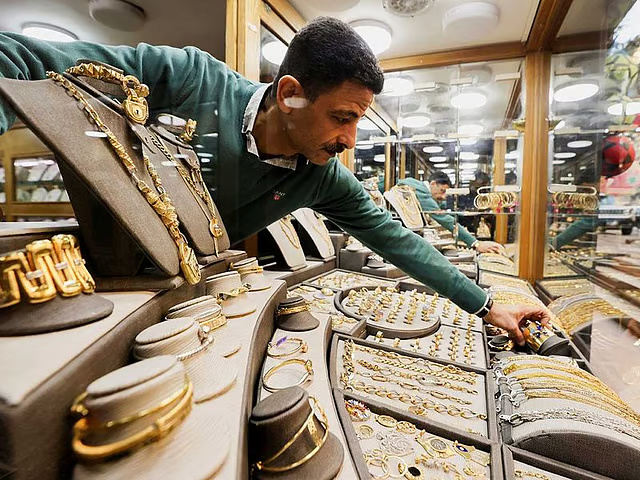
Dubai: On Wednesday morning, gold prices in Dubai rose for the first time in over two weeks, reversing a sustained decline that had affected retail sentiment.
At 8:30 a.m., the price of 24-karat gold rose to Dh550, up from Dh528.50 the previous day. The 22-karat variant also increased, reaching Dh509.50 from Dh489.25, marking a sharp overnight adjustment likely to attract buyers who had been waiting for further declines.
This rise follows nearly 15 days of continuous easing in local rates, providing the first sign that the recent correction may be stabilizing.
A Month of Steady Declines
Throughout March, gold prices in Dubai experienced a gradual yet consistent slide. Early in the month, 24-karat rates remained above Dh620, even reaching Dh628 on March 10, before entering a prolonged downward trend.
By mid-March, gold prices remained elevated near Dh600, though momentum was already slowing. In the second half of the month, declines accelerated, with prices falling below Dh580 and then dropping further to Dh528 by March 24.
The recent rebound to Dh550 signals a notable shift, yet prices are still well below the early March highs. Overall, the trend reflects a broader cooling phase following the strong rally seen at the start of the year.
Global Cues Drive Reversal
International markets were instrumental in the turnaround, with gold extending gains worldwide after ending a nine-day losing streak. The rally was supported by renewed optimism over diplomatic efforts in the Middle East.
Bullion surged as much as 2.8%, crossing $4,600 an ounce and building on earlier gains. Optimistic signals from Washington hinting at a possible diplomatic approach with Iran, along with calls from China for renewed talks, helped ease immediate geopolitical concerns.
Meanwhile, oil prices retreated, equities moved higher, and the US dollar weakened—factors that provided support to gold after weeks of pressure from rising yields and a stronger dollar.
Volatility Still in Play
Recent price movements underscore gold’s sensitivity to broader macroeconomic signals. Earlier elevated oil prices had raised inflation concerns, fueling expectations that central banks might maintain higher interest rates for longer, which diminished the appeal of non-yielding assets like gold.
Additionally, liquidity-driven selling was evident in recent weeks, as investors offloaded bullion positions to cover losses in equities and bonds, contributing to the downward pressure observed through much of March.
Recent reports on central bank activity, including talks of using gold reserves to support currencies, have added further complexity to market sentiment.
Looking ahead, gold’s direction will hinge on geopolitical developments, currency fluctuations, and central bank signals. For now, the break in the downward trend indicates that the market may be entering a more volatile phase, rather than continuing a steady decline.

