

Updated Housing Rules Apply to Families, Individuals, Landlords and Shared Accommodation.
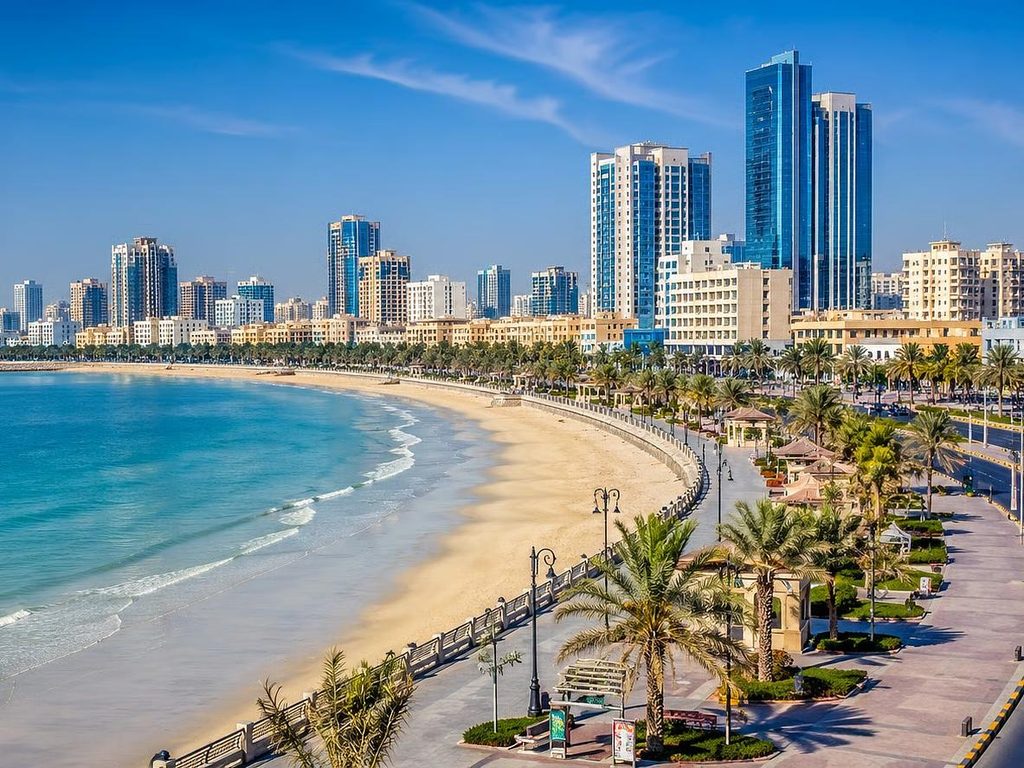
Dubai has introduced new regulations for shared accommodation, prohibiting families and individuals from living together in the same residential unit and limiting shared housing to designated areas across the emirate.
Dubai Municipality outlined the requirements under Law No. 4 of 2026, which regulates the occupancy and management of shared housing and came into effect in August. Property owners and establishments have been given a one-year grace period to ensure existing accommodation complies with the new rules.
Under the regulations, every shared residential unit must be designated exclusively for either families or individuals, meaning the two groups cannot occupy the same unit.
Each bedroom must provide a minimum of five square metres of space per resident, while at least one fully equipped bathroom must be provided for every four occupants.
For shared accommodation occupied by families, each family must be provided with a separate bedroom and its own private bathroom.
Dubai Municipality has also prohibited shared accommodation for individuals along major roads known for their tourism or commercial activity. These include Baniyas Road, Sheikh Zayed Road, Jumeirah Road and Al Wasl Road, where shared housing will be restricted to families.
One-year compliance period
The requirements are outlined in Dubai Municipality Circular No. 1-3-1 of 2026, which details 10 obligations applying to owners of buildings and villas, engineering consultancy offices and contracting companies.
Existing buildings and villas being used as shared accommodation must be brought into compliance with the law within one year of its effective date. Properties must also meet the relevant planning, construction and building standards.
However, the one-year grace period does not apply to existing building violations or unauthorised changes in the permitted use of a property. Dubai Municipality said such violations must be rectified to safeguard lives and property.
A building permit is mandatory for properties intended for shared accommodation. This requirement applies both to newly constructed properties and to modifications made to existing buildings or villas being converted into shared housing.
Applications for building licences, completion certificates and shared-housing permits must be submitted through the Dubai Building Platform by an engineering consultancy appointed by the property owner.
The application must include detailed plans and information about the building, apartments and individual rooms, including their dimensions, intended categories of occupants and permitted occupancy levels.
A shared-housing permit will be issued once the property receives its completion certificate. The permit will include the information required by the Dubai Land Department for preparing tenancy contracts.
Dubai Municipality also requires the entire residential building or villa to be allocated for shared accommodation. Owners cannot designate only a portion of a property for this purpose.
In addition, each building or villa used as shared housing must cater exclusively to either families or individuals, preventing the two categories from being accommodated within the same property.
Minimum space requirements
Dubai Municipality’s technical guidelines require shared accommodation to provide a minimum of five square metres of bedroom space for each occupant.
More than one family can live in a residential unit designated for family accommodation, provided every family is allocated a separate bedroom with its own private bathroom.
For accommodation designated for individuals, several people may share the same bedroom, provided the approved occupancy limits are not exceeded and all applicable health and technical standards are met. Living rooms may also be converted into residential sleeping areas where permitted.
The number and size of facilities provided must reflect both the type of accommodation and the number of residents.
In newly constructed buildings intended for individual shared housing, communal kitchens may be provided on each floor. Their size and facilities must be appropriate for the number of people they are designed to serve.
Where shared accommodation is arranged within individual apartments, kitchens can be located inside each unit. However, they must provide at least one square metre of space per occupant and meet the health and safety standards specified under the Dubai Building Code.
For both family and individual shared accommodation, at least one complete bathroom — consisting of a washbasin, toilet and shower — must be provided for every four occupants.
Where toilet and shower facilities are provided separately, there must be at least one toilet for every four residents and one shower for every six residents. This arrangement is permitted only in accommodation designated for individuals.
Buildings designated for individual shared accommodation must also include multipurpose spaces that residents can use for dining and recreational activities. Adequate facilities for washing and drying clothes must also be provided.
Parking and transport requirements
Shared accommodation properties are exempt from the minimum car-parking requirements set out under the applicable regulations.
However, property owners or operators must provide appropriate areas where minibuses can safely pick up and drop off residents within the road right-of-way.
These areas are subject to approval from Dubai’s Roads and Transport Authority and must comply with the relevant requirements of the Dubai Building Code.
Shared accommodation buildings must also provide dedicated bicycle parking spaces equivalent to at least 10 per cent of the property’s total permitted occupancy.
Private residential villas, including those located in areas approved for shared housing, can be rented for this purpose as long as they meet the applicable planning, construction and building requirements.
The regulations cover both newly constructed buildings and existing properties that are being altered or converted into shared accommodation within authorised areas of Dubai.
Fees will also apply to applications seeking to convert an entire building, or part of a building, into a property unit designated for shared accommodation. These charges will be imposed in accordance with Dubai’s existing planning, building and land-use regulations.
Law No. 4 of 2026 aims to establish a clearer framework for the management and occupancy of shared housing while safeguarding the rights of both property owners and residents. It also seeks to ensure suitable accommodation is available for different sections of the community.
The legislation is designed to address overcrowding and unregulated occupancy in residential neighbourhoods, reduce related safety and security concerns, curb informal shared-housing arrangements and help preserve Dubai’s overall urban character and appearance.

