

With global humanitarian funding under strain, the UNHCR emphasizes that faith-based and private donations are becoming increasingly crucial to sustaining relief efforts.
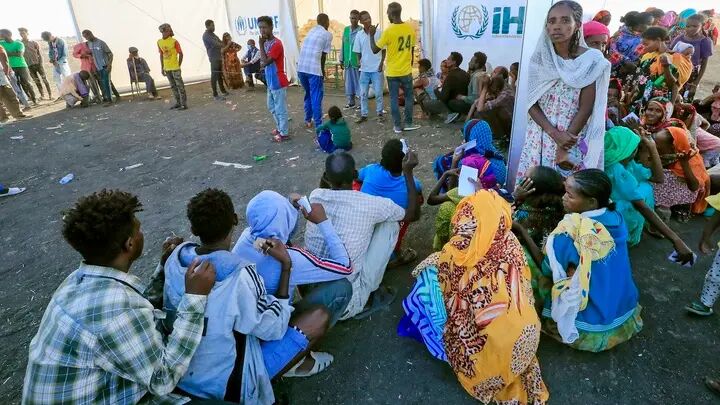
Zakat and Sadaqah donations from the UAE and the wider Middle East have become a vital humanitarian lifeline for displaced families worldwide, particularly as global aid budgets shrink, the UN refugee agency has stated.
“In 2025, Zakat and Sadaqah contributions from UAE-based and other MENA donors raised $39.4 million to support over 1 million displaced people across 25 countries. Zakat accounted for 60 per cent of this total, assisting more than 579,000 people in 17 countries,” said Dr Khaled Khalifa, Senior Advisor and UNHCR Representative in the GCC, in an interview with Khaleej Times tied to the agency’s Islamic Philanthropy Annual Report 2025.
Funds distributed through the UNHCR Refugee Zakat Fund primarily assist displaced families by providing direct cash support to cover urgent daily needs, enabling them to access essentials such as food, shelter, and healthcare.
The UNHCR has warned that it is facing one of the most severe financial crises in recent years, forcing the agency to scale back several programmes worldwide.
“The financial situation is significantly more severe than in previous years. Due to the global funding crisis, UNHCR is being forced to roll back essential services and reduce its activities and workforce by roughly one-third, an unprecedented scale of contraction,” said Dr Khaled Khalifa, Senior Advisor and UNHCR Representative in the GCC.
“In 2025, UNHCR received $3.5 billion in contributions, approximately $1.4 billion (28%) less than in 2024.”
As a result, around 11.6 million forcibly displaced people risk losing direct assistance, with programmes already suspended or scaled back in countries including Egypt, Afghanistan, Lebanon, Chad, and Bangladesh.
“Every major sector has been affected: cash assistance reduced by 60%, shelter by 40%, health programmes by 35%, education by 34%, and the list continues,” he added.
Impact on Daily Life
For refugee families, the funding shortfall is already affecting everyday survival.
“Refugees and displaced communities in these areas are facing significant challenges in meeting their basic needs, including shelter, food, water, and access to essential services such as healthcare, education, and child protection, due to ongoing funding shortages,” said Dr Khaled Khalifa, Senior Advisor and UNHCR Representative in the GCC.
“Families are being forced to choose between feeding their children, buying medicines, or paying rent, while hope for a better future slips further out of reach.”
Emergency response efforts are also being affected.
“Restrictions on emergency response mean UNHCR must pause the relocation of refugees from border areas to safer locations, limit access to clean water and food, and disrupt the delivery of emergency relief items,” Khalifa added.
Faith-Based Giving
With global humanitarian funding under severe pressure, UNHCR says faith-based and private donations are increasingly crucial to sustaining relief efforts.
“Yes, amidst unprecedented budget cuts, the humanitarian lifeline is fraying, with millions of displaced families hanging on by a thread,” Khalifa said. “These cuts are not abstract figures – they affect real people who, after being forced to flee their homes, are pushed to the edge of survival every day. Alternative funding sources, such as private sector donations and Islamic philanthropy, are becoming essential to bridging the gap and helping refugees and internally displaced families stay afloat and rebuild their lives with dignity.”
UAE Partnerships
In addition to charitable giving, partnerships with UAE organisations are delivering tangible support for displaced communities across several countries.
“The support of the United Arab Emirates to UNHCR’s Islamic philanthropy programmes has been pivotal, particularly through organisations such as Mohamed bin Rashid Al Maktoum Global Initiatives (MBRGI), which enabled UNHCR to reach around 70,000 beneficiaries in 2025 alone through emergency response, food security, livelihoods, and WASH programmes,” Khalifa said.
Collaboration with the Sharjah-based developer Arada has also provided housing and water infrastructure for displaced families.
The ‘Home for Home’ initiative has delivered durable housing for over 3,300 refugees, established water infrastructure benefiting more than 43,000 people in northern Kenya, and provided access to clean water for 30,000 and shelter for more than 14,000 Sudanese refugees in Chad.

