

Legal perspectives on invoking force majeure in maritime accidents
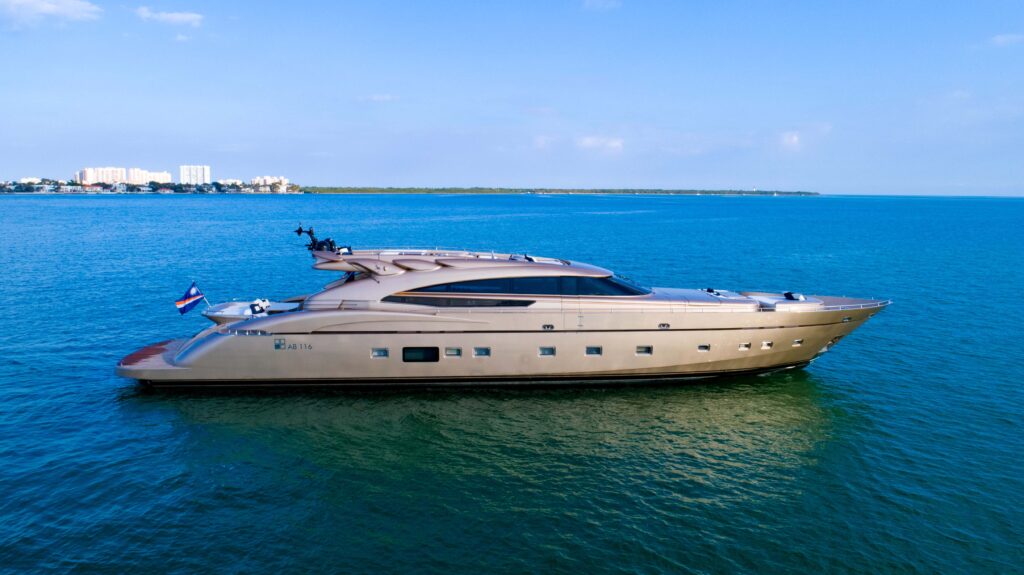
Question: A man, while piloting his yacht, caused damage to my yacht due to his mistake. He refuses to pay compensation, claiming the accident was caused by a sudden and unexpected malfunction, which he argues qualifies as force majeure. Does he have the right to do so?
Answer: Under Article 237 of the Federal Decree by Law No. 43 of 2023 Concerning Maritime Law:
“If the collision results from the fault of any of the ships or floating facilities involved in the collision, the responsible party is solely obligated to compensate for the resulting damage.”
Additionally, Article 239 states:
“If the collision occurs as a result of force majeure, or its cause is unknown, or there is doubt about its causes, each ship or floating facility involved shall bear the liability for the damage it sustains, even if any of them were anchored at the time of the collision.”
Force majeure in maritime collisions is recognized only under strict conditions: the event must be exceptional, unforeseeable, and unavoidable, and the party invoking it must have taken all reasonable precautions without committing any error that could make the collision inevitable.
Ultimately, it is up to the court to determine whether the claimed malfunction qualifies as force majeure. To pursue compensation, you would need to file a case against the yacht owner and engage an expert to investigate the cause of the accident.

