

Oil Prices Fall to a Three-Month Low as Middle East Supply Grows Despite Hormuz Tensions.
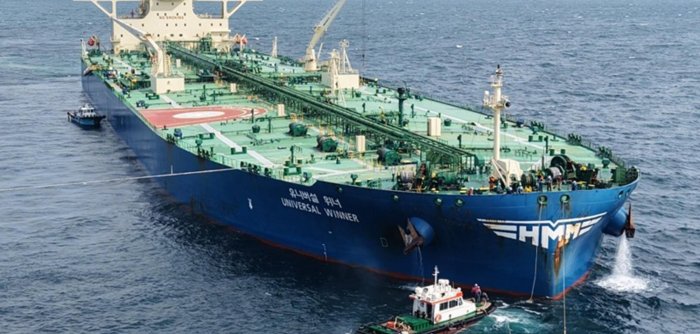
Oil prices have fallen to a three-month low as increased Middle East supply, the restart of a Libyan pipeline and higher exports from the Americas help offset continued attacks near the Strait of Hormuz, according to industry data trackers.
Gulf oil flows have proved more resilient than the attacks might suggest. Data from tracking firms point to record-level shipments, supported in part by alternative export routes and ship-to-ship (STS) transfers.
However, shipping remains exposed to disruption. Attacks near the Strait of Hormuz have increased insurance costs and the risks of rerouting and delays.
Global oil markets are easing as more crude reaches buyers, although the threat of further disruption continues to support prices.
While November’s figures are expected to show weaker flows and tracking data remains incomplete, some industry observers have gone as far as to claim that Iran has lost control of the Strait of Hormuz.
What AIS data reveals: ‘Dark transits, dark loadings’
Real-time Automatic Identification System (AIS) tracking shows vessels moving through the region, but it does not capture the full picture.
Analysts point to longer periods of so-called ‘dark’ transits and loadings, during which tankers switch off their transponders or use ship-to-ship transfers to obscure their origins and destinations.
As a result, reported shipment volumes may underestimate the amount of oil actually moving through the region. The market appears to be factoring in more supply than visible tracking data alone suggests.
Americas increase oil supply
Here is a snapshot of the reported oil flows and production trends:
- October Hormuz exports: CNBC, citing Kpler, reported that crude exports through the Strait of Hormuz averaged nearly 11.1 million barrels per day (bpd) in October, around 2 per cent below September, despite at least 30 vessel attacks during the month.
- Kpler estimate: The 11.1 million bpd figure represents Kpler’s estimate of average daily crude exports through the strait in October.
- Vessel attacks: At least 30 vessels were attacked in October, according to reports citing maritime and industry data. The figure was described as the highest monthly total since the war began in late February.
- Late-October slowdown: Kpler data showed Hormuz crude flows falling to 7.3 million bpd in the week ended October 28, more than 40 per cent below the pre-war baseline.
- Regional exports: Middle East crude exports reached 18.99 million bpd in October, exceeding the average of 18.56 million bpd recorded in the three months before the war, according to Reuters-cited Kpler data.
- IEA assessment: The International Energy Agency (IEA) said ship-to-ship transfers in the Gulf of Oman helped increase total oil flows through Hormuz by 3.7 million bpd to 10.9 million bpd.
Meanwhile, the Americas are accounting for a growing share of additional supply.
The IEA said on September 18 that producers outside the Gulf had added 2.3 million barrels of oil per day (bopd) since the war began, led by the United States and Brazil.
Backwardation gives way to ‘contango’
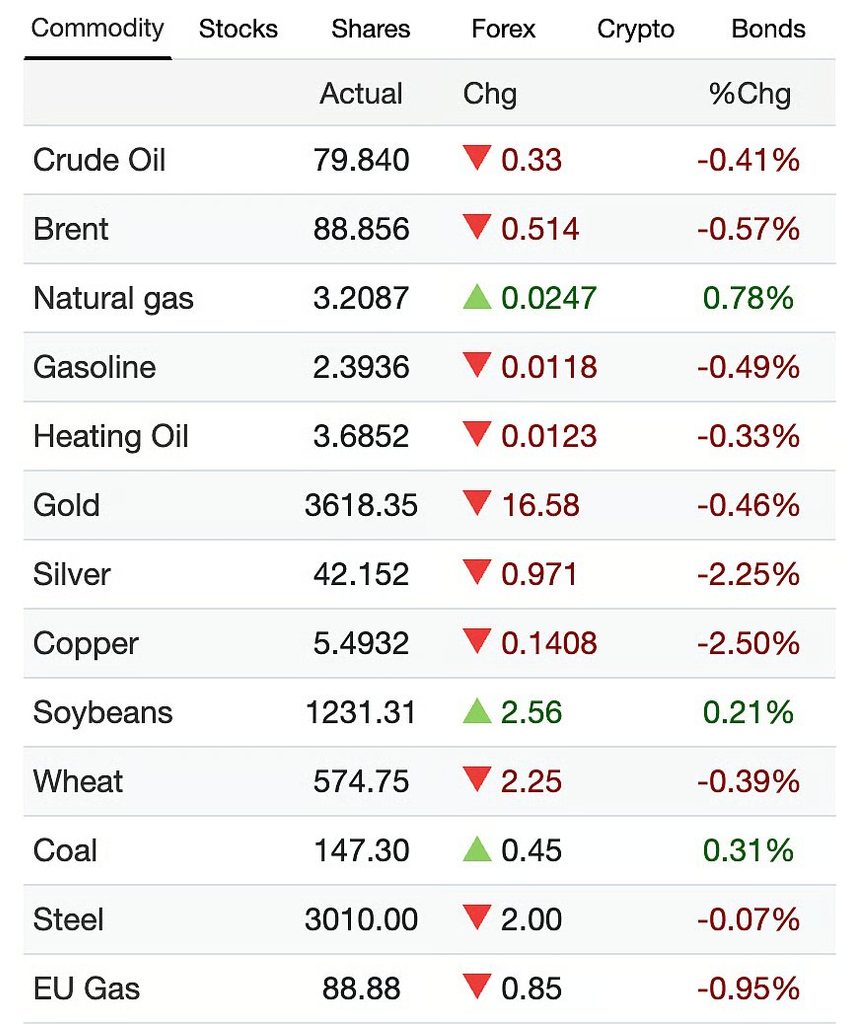
The oil market’s December-January timespread has narrowed sharply, falling from $3.67 a barrel in October to just $0.16.
Backwardation, a market structure in which near-term oil contracts trade at a premium to later-dated contracts, has almost disappeared. It is generally associated with tight supply and strong demand for immediate deliveries.
The market is moving towards ‘contango’, where later-dated contracts cost more than near-term ones. This typically signals expectations of more comfortable supply conditions ahead.
What is driving bearish sentiment?
Several factors are helping explain the decline in oil prices despite continued security risks in the Gulf.
- Flows remain resilient: At least 30 vessels were reportedly attacked in October, a wartime record. Yet Kpler estimated that October crude exports through Hormuz averaged nearly 11.1 million bpd, only around 2 per cent below September.
- Alternative routes are helping: Saudi Aramco’s chief executive said flows through the East-West pipeline had increased from 2 million to 7 million bpd. Vortexa data showed Gulf shuttle-relay volumes, excluding Iran, rising from 5.7 million bpd in August to 8.5 million bpd in October.
- Crude and refined products diverge: Vortexa estimated that October crude exports were about 86 per cent of pre-war levels, while refined-product exports stood at just over half of their pre-war levels. This suggests that the recovery in crude shipments has not been matched by refined products.
- Some flows have weakened: Kpler data also showed crude and condensate exports falling by about 1 million bpd from September.
- Weekly figures differ: One week in October saw flows exceed pre-war levels, according to Kpler data cited by the Wall Street Journal. Vortexa, however, recorded lower volumes.
- Concerns about AI growth: Reuters reported that oil prices fell on Monday, November 23, amid a wider equity-market sell-off driven by concerns over AI-related growth prospects. Attacks on Gulf shipping limited the decline.
- Reduced expectations of immediate escalation: One analyst said prices also eased after US President Donald Trump indicated there was no rush to decide on renewed military action against Iran.
Together, these developments suggest that crude supply has remained more resilient than the security situation might imply, contributing to the market’s bearish sentiment.
The risk of undercounting oil flows
Tracking data may not capture all shipments because some tankers switch off their AIS transponders during so-called dark transits.
Vortexa said its October estimate was more likely to be revised upwards than downwards, as many shuttle tankers switch off tracking signals for safety reasons. Ship-to-ship transfers can also make it harder to identify and measure the volumes being moved.
The market is increasingly betting that additional supply is reaching buyers faster than disruption can remove it.
However, November’s data points to a slowdown. Kpler figures cited by Bloomberg showed flows through Hormuz falling to around 10 million bpd by November 10, from 13.4 million bpd at the start of the month.
Gulf very large crude carrier (VLCC) loadings also declined to 7.4 million bpd in the first half of November, compared with 9.3 million bpd in October.
What could complicate the outlook?
Despite the resilience in crude shipments, several indicators suggest that supply conditions are not uniformly improving.
Vortexa reported that Gulf flows had declined in October from a post-war high. Kpler also recorded a month-on-month fall of about 1 million bpd in crude and condensate exports.
The gap between crude and refined-product shipments is another concern. While crude exports reached around 86 per cent of pre-war levels in October, refined-product exports remained at just over half of their earlier levels.
November’s weaker figures also suggest that the market may be moving ahead of the latest supply data in pricing in a sustained recovery.
Other factors influencing oil prices
Developments beyond the Gulf are also weighing on crude.
Reuters reported that oil prices fell on Monday amid an equity-market sell-off linked to concerns about AI-driven economic growth. Attacks on shipping in the Gulf helped limit the decline.
Prices also eased after comments from Trump suggested there was no immediate rush to decide on renewed military action against Iran, according to an analyst cited in the report.
Resilient shipments through Hormuz and the use of alternative export routes have helped ease concerns about supply. However, November’s weaker figures and gaps in tracking data mean the picture remains uncertain.
Asian demand and risks in the Gulf
Demand from major Asian buyers is providing another layer of support to oil flows.
India’s short-haul imports from the Middle East Gulf reached a record 5.8 million bpd in November, even as consumption was around 3 per cent lower year on year.
China is also replenishing inventories, with seaborne imports at around 10.5 million bpd. Independent ‘teapot’ refiners are returning to the market despite weaker domestic consumption.
However, security risks remain elevated.
Iran-aligned Houthi forces said they had attacked a Saudi refinery, while the UK Maritime Trade Operations reported multiple attacks on shipping in the Gulf and near the Strait of Hormuz over the weekend.
What’s next for oil prices?
The shift from backwardation towards contango suggests the market is moving away from immediate supply tightness and towards expectations of a more comfortable supply balance.
For airlines and transport operators, a sustained decline in crude prices could ease fuel costs and provide some relief to operating expenses. A renewed rise in oil, however, would put pressure on those costs again.
OPEC+ ministers are scheduled to meet on November 29 to discuss the group’s 2027 output policy, a decision that could influence the direction of oil prices in the months ahead.