

Unconventional Hiring Process Prioritises Personality, Creativity and Empathy Over Perfect CVs.
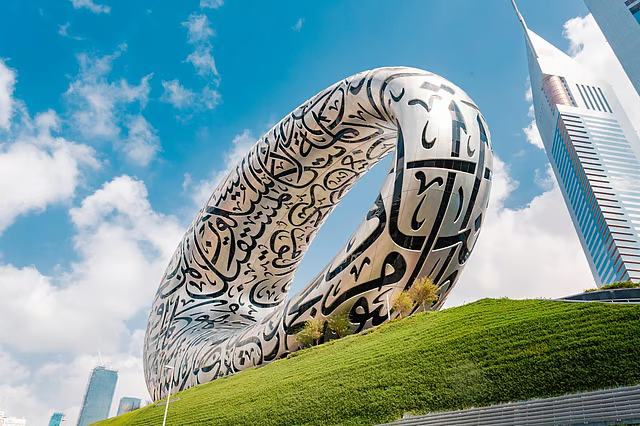
Dubai: At a museum dedicated to imagining a world transformed by technology, Dubai’s Museum of the Future is making an unexpected bet on its next chapter: people.
As artificial intelligence (AI) becomes increasingly capable of answering questions, sharing information and guiding visitors, the museum believes some of the most important elements of the visitor experience still depend on something technology cannot easily replicate: human connection.
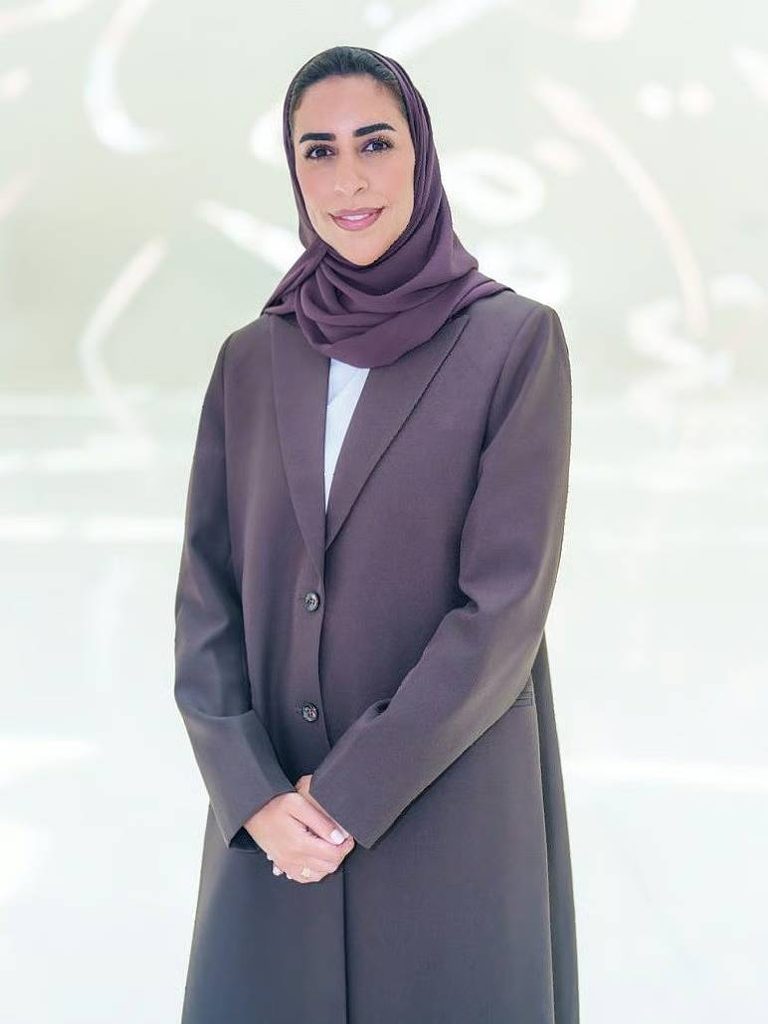
“At the Museum of the Future, we believe technology can enhance the experience, while human connection gives it a deeper sense of meaning. As artificial intelligence becomes more capable, qualities such as empathy, imagination and the ability to build genuine relationships become even more valuable,” Azza Al Nuaimi, Chief Operating Officer (COO) of the Museum of the Future, told Gulf News.
Al Nuaimi said meaningful human interaction goes beyond simply sharing knowledge.
“It is about understanding how someone feels, recognising what interests them and knowing how to make them feel included,” she said.
A completely new experience planned for 2027
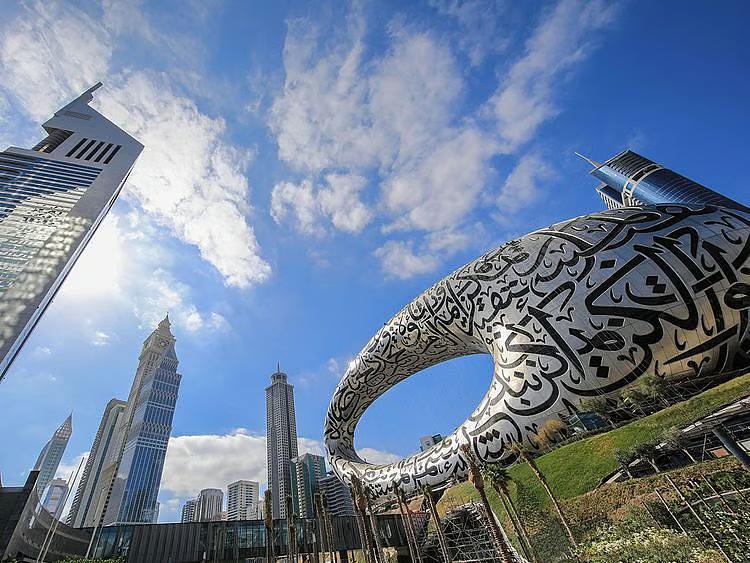
The Museum of the Future is preparing to reopen to visitors in the first quarter of 2027, coinciding with its fifth anniversary. The attraction closed to the public in September, but work has continued behind the scenes as preparations progress. An exact reopening date has yet to be announced.
According to Al Nuaimi, the museum is undergoing a major transformation, with changes extending beyond its exhibitions.
“Preparations are well under way for the Museum’s reopening in 2027. We are working on an entirely reimagined visitor experience, from the narrative and exhibitions to how visitors engage with the ideas presented. Our priority is ensuring that every element comes together to deliver an exceptional experience,” she said.
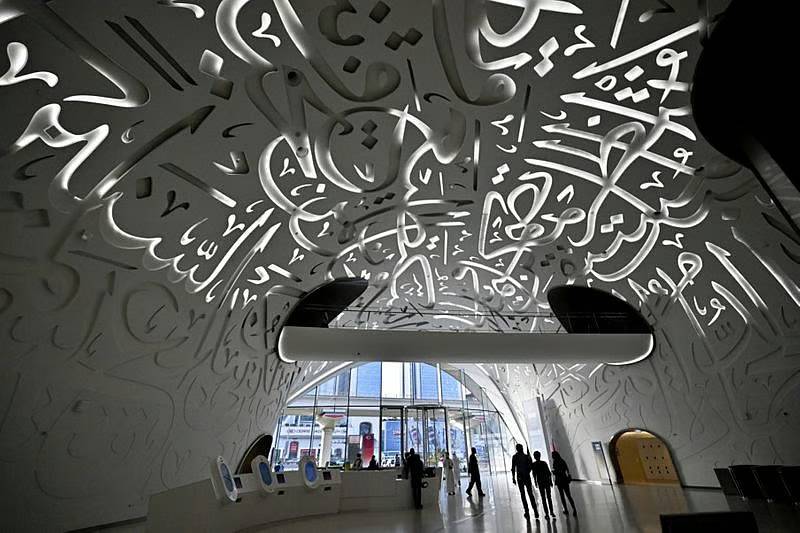
Visitors can expect new exhibitions, immersive environments and a refreshed narrative exploring different possibilities for the future.
“We are also rethinking how people interact with the Museum, with greater emphasis on participation, conversation and meaningful engagement with the ideas and experiences presented. Our ambition is for visitors to do more than explore what the future might look like. We want them to consider how they can contribute to shaping it.”
20,000 applications in 48 hours: A different approach to hiring
As part of its transformation, the museum launched Future Perfects, an unconventional recruitment initiative for full-time visitor experience roles.
The campaign attracted more than 20,000 completed applications within its first 48 hours. Applications have since closed, and the museum is now shortlisting candidates.
Unlike conventional recruitment, the initiative places greater emphasis on candidates’ ability to connect with people, demonstrate curiosity and respond creatively to unexpected situations, rather than focusing primarily on academic qualifications or previous work experience.
“A CV can tell us where someone studied or worked, but it does not necessarily reveal how they connect with people, respond to unexpected situations or make complex ideas interesting. For Future Perfects, those qualities are essential,” Al Nuaimi said.
She stressed that the approach does not mean overlooking qualifications or professional experience, but recognising that talent can take different forms.
“By looking beyond conventional recruitment criteria, we can discover individuals whose potential might otherwise be overlooked.”
How are candidates being selected?
Rather than relying solely on traditional interviews, the museum is using auditions and practical assessments to evaluate candidates’ communication skills, adaptability, emotional intelligence and problem-solving abilities.
“We want people who can demonstrate these capabilities, not simply describe them during an interview. The knowledge required for the role can then be developed through dedicated training,” Al Nuaimi said.
The selection process begins with a short video audition, followed by in-person assessments for shortlisted applicants and final auditions before a panel of experts.
Candidates are presented with practical scenarios inspired by real visitor interactions, such as responding to different visitor needs or adapting when circumstances change unexpectedly.
“This allows us to observe how they listen, collaborate, think and respond in real time. By focusing on behaviours relevant to the role, we aim to make assessments more meaningful and reduce reliance on first impressions.”
Reflecting on the strong response, Al Nuaimi said: “The process has reinforced our belief that potential cannot always be defined by someone’s previous job title or professional background.”
More than museum guides: What will Future Perfects do?
Successful candidates will join the museum’s Visitor Experience team in roles that combine the responsibilities of guides, storytellers and hosts.
Building on the work of existing teams, Future Perfects will focus on personalised interactions, helping visitors explore the museum’s ideas and connect them to their own lives.
“Rather than simply explaining an exhibition, they will encourage questions, introduce new perspectives and make each interaction more engaging and meaningful,” Al Nuaimi said.
Selected candidates will also undergo dedicated training covering the museum’s vision, its new narrative and the skills needed to engage visitors from different backgrounds.
Training will focus on storytelling, communication, active listening and the ability to adapt to different situations.
“We do not want Future Perfects to simply memorise information or follow a script. We want them to bring their own personalities, perspectives and creativity into the experience, helping make every visitor interaction feel authentic and relevant,” Al Nuaimi said.
Could this change how organisations recruit?
Although Future Perfects was introduced ahead of the museum’s reopening, Al Nuaimi believes the principles behind the initiative have broader implications for how organisations identify and develop talent.
“As the nature of work continues to evolve, organisations need to reconsider how they identify and develop talent. We believe that imagination, adaptability, emotional intelligence and the willingness to learn deserve greater recognition alongside traditional qualifications.”
For the Museum of the Future, the initiative offers an opportunity to explore recruitment methods that better reflect the skills needed in a changing workplace, where human capabilities remain important even as technology advances.

