

Freight forwarding revenue reaches a record high as net profit rises to Dh47 million.
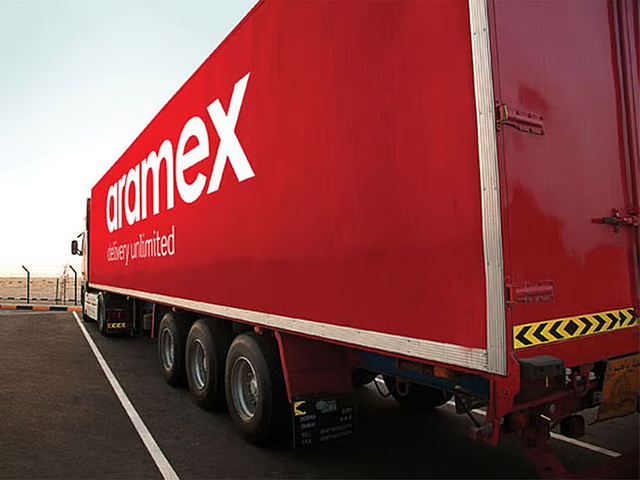
Dubai: Aramex recorded its strongest quarterly revenue ever in the second quarter of 2026, supported by higher demand for freight-forwarding services and the use of alternative transport routes that helped maintain shipment flows amid regional disruptions.
Group revenue climbed 22 per cent year on year to Dh1.83 billion in the three months ending June 30, with both May and June achieving record monthly revenues. For the first half of the year, revenue increased 12 per cent to Dh3.43 billion.
Profitability strengthened during the quarter, with net profit surging sevenfold to Dh47 million compared with the normalised results recorded during the same period last year. Earnings before interest and tax (EBIT) also increased 173 per cent to Dh87 million on a comparable basis.
Amadou Diallo, Group Chief Executive Officer of Aramex, said the performance reflected the company’s continued progress in executing its strategy and enhancing operational efficiency.
“The strength of our second-quarter results this year reflects the progress we are making in delivering our strategy. In Q2 2026, Aramex achieved its highest-ever quarterly revenue, recorded its strongest Freight Forwarding performance, and made significant improvements in profitability,” Diallo said.
Freight Forwarding achieves record quarter
Aramex’s Freight Forwarding division posted its highest quarterly revenue in the company’s history, supported by strong customer demand, disciplined pricing, and the expansion of its air, sea, and land transport solutions.
“Throughout the quarter, our teams remained focused on supporting customers despite ongoing disruptions across the region. By leveraging the flexibility of our network and our diversified multimodal capabilities, we were able to adapt quickly to changing conditions, maintain uninterrupted services, and continue prioritising the safety and wellbeing of our employees,” Diallo said.
During the quarter, Aramex introduced new land transport routes connecting Europe and the Middle East and expanded its air and sea charter operations. The company said these initiatives helped customers sustain trade flows and ensured service continuity despite regional challenges.
The company also implemented commercial measures to help offset the impact of rising fuel costs across several markets.
Domestic Express maintained its growth momentum during the quarter, while International Express shipment volumes remained largely stable after experiencing declines in previous periods.
Gross profit climbs to Dh392 million
Aramex’s gross profit rose 19 per cent year on year to Dh392 million in the second quarter, while first-half gross profit increased 6 per cent to Dh734 million.
The company’s gross profit margin remained at 21.4 per cent for both the second quarter and the first half of the year, reflecting its business mix and continued focus on managing operating costs.
For the first six months, EBIT increased 46 per cent to Dh139 million compared with the normalised figure for the same period last year, while the EBIT margin improved to 4.1 per cent from 3.1 per cent.
Net profit for the first half reached Dh64 million, compared with a normalised net profit of Dh33 million in the first half of 2025.
Aramex said its Accelerate28 transformation programme, combined with stronger cost controls and improved management of operating expenses, helped drive the improvement in profitability.
“We continue to see the positive effects of Accelerate28 reflected in our financial performance,” Diallo said.
“Strong discipline in managing operating costs and overheads, combined with the ongoing delivery of our transformation initiatives, is helping improve profitability and strengthen the business for sustainable long-term growth.”
Cash position reaches Dh503 million
Aramex closed June with a cash balance of Dh503 million and a debt-to-EBITDA ratio of 2.7 times, including the impact of IFRS 16 accounting standards.
The company said its financial strength would enable continued investment in its transformation programme, operational capabilities, and future growth opportunities.

