

Expert examines ‘paraskevidekatriaphobia’: genuine fear or social media hype?
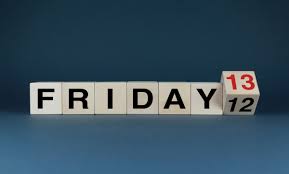
Friday the 13th is here — the first of three occurrences in 2026 — and superstition is trending online. But is the fear genuine, or is it driven by culture, films, and social media?
A UAE-based psychologist who previously practised in London explained that the fear, known as ‘paraskevidekatriaphobia’, is far more prevalent in Western societies than in the Emirates.
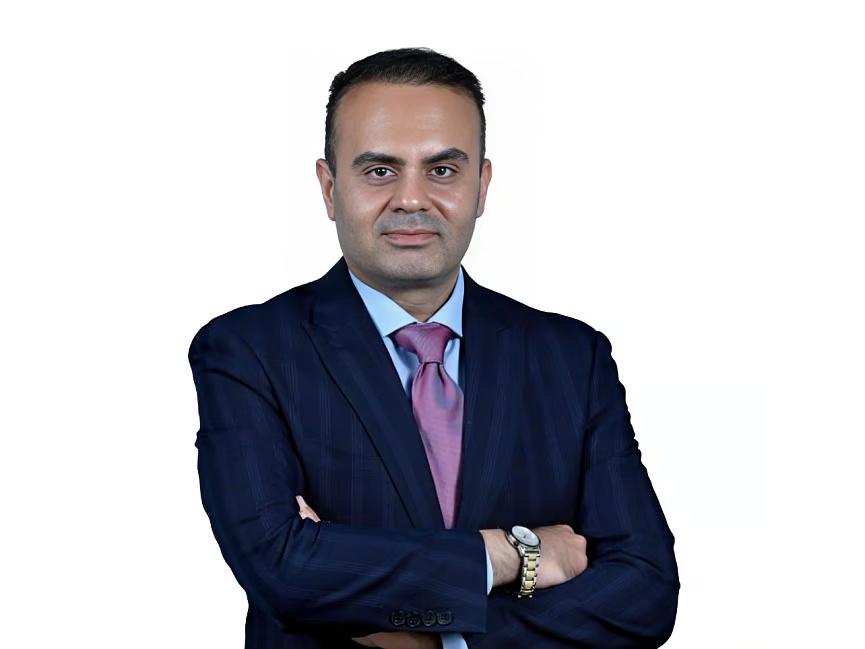
“Paraskevidekatriaphobia is an intense fear of Friday the 13th,” said Dr Amir Javaid, Consultant Psychiatrist at Burjeel Medical City.
“In the UK, I treated several patients who would avoid travel, postpone meetings, or experience heightened anxiety on this day. In the UAE, I haven’t encountered many clinical cases tied specifically to Friday the 13th,” Dr. Javaid said.
He added that people tend to remember negative events that occur on Friday the 13th, while overlooking the hundreds of normal or positive experiences that happen on the same day.
Cultural Conditioning, Not a Clinical Disorder
According to Dr Amir Javaid, the fear of Friday the 13th is rarely a severe psychiatric condition. Instead, it is often shaped by cultural conditioning.
“In most cases, it’s not a diagnosable phobia but a learned belief reinforced by family traditions, media portrayals, and societal narratives,” he explained.
“If you grow up hearing that Friday the 13th is unlucky, your brain starts scanning for evidence that confirms that belief.”
Dr. Javaid noted that this tendency is a classic example of confirmation bias.
“People remember the negative events that happened on Friday the 13th but forget the hundreds of normal or positive things that occurred on the same day,” he said.
“Our brains are wired to notice patterns — even when they don’t exist.”
He added that expecting something bad to happen can make people behave more cautiously or nervously, which in turn increases the likelihood of mistakes.
Does It Affect Decision-Making?
While many dismiss the superstition as harmless, Dr. Javaid pointed out that belief in unlucky days can subtly influence behaviour and decision-making.
Dr. Javaid explained that this kind of selective attention is a classic case of confirmation bias.
“People remember the negative events that happen on Friday the 13th but forget the hundreds of normal or positive things that occur on the same day,” he said.
“Our brains are wired to detect patterns — even when none exist.”
He added that expecting something bad to happen can make a person behave more cautiously or nervously, which may increase the likelihood of mistakes.
Does It Affect Decision-Making?
Although many consider the superstition harmless, Dr. Javaid noted that belief in unlucky days can subtly shape behaviour and influence decision-making.

