

New infrastructure, housing, and transport initiatives are set to enhance quality of life.
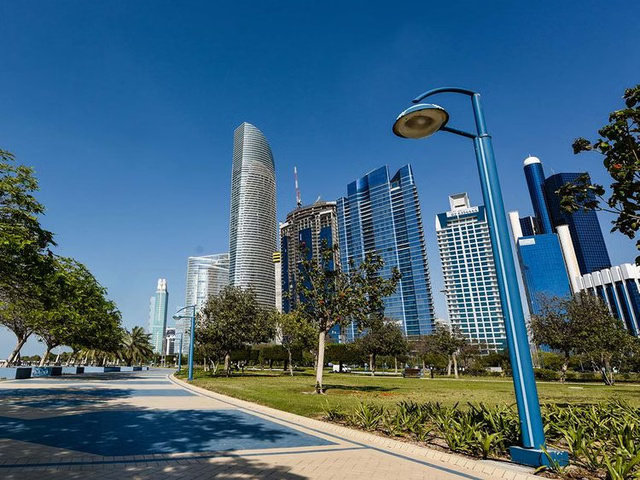
Abu Dhabi continues to strengthen its position as a global benchmark for sustainable urban development and quality of life through major initiatives focused on infrastructure, smart mobility, sustainability, and urban expansion.
According to figures from the Department of Municipalities and Transport, the emirate has allocated Dh42 billion for new infrastructure and community projects, alongside approvals for nearly 190,000 housing units as part of ongoing development plans.
The department noted that 2025 marked a significant milestone in Abu Dhabi’s institutional development journey, with new programmes introduced to enhance operational efficiency and improve government services across Abu Dhabi, Al Ain, and Al Dhafra.
As part of its efforts to enhance quality of life, Abu Dhabi completed more than 60 development projects valued at Dh12 billion under its Lifestyle Strategy.
The initiatives included over 200 parks and sports facilities, 24 schools, 21 mosques, and 28 community councils. Authorities also developed 120 kilometres of walking tracks and 283 kilometres of cycling lanes across the emirate, supporting healthier and more active communities.
Officials said additional community facilities and parks are in the pipeline, including the development of 16 new parks in Al Shamkha.
As part of its urban expansion and smart services agenda, Abu Dhabi approved around 75 million square metres of gross floor area for development during the year, marking an annual increase of 137%.
The approved plans include more than 158,000 residential units for the wider real estate market, along with around 30,000 homes designated for UAE nationals.
Authorities also launched the AI-powered “Binaa” digital platform to enhance regulatory services and enable faster project approvals.
As part of Abu Dhabi’s broader digital transformation drive, smart tracking systems and AI-enabled cameras have also been deployed across the department’s vehicle fleet to improve operational efficiency and performance monitoring.
In sustainable transport, the Integrated Transport Centre continued to expand environmentally friendly mobility solutions.
Bus Route 65, which links Marina Mall and Al Reem Island and serves around 6,000 passengers daily, has been converted into a hydrogen- and electric-powered route.
The initiative is part of Abu Dhabi’s broader plan to transform Abu Dhabi Island into a green public transport zone by 2030.
The emirate has also introduced fully commercial Level 4 autonomous vehicles, marking a regional first for the Middle East and North Africa in advanced self-driving transport technology.
In line with its circular economy goals, Abu Dhabi reported that 94% of non-liquid operational waste has been diverted away from landfills and into recycling systems, while 100% of maintenance oils were successfully recycled.
Meanwhile, the emirate’s real estate sector continued its strong upward trajectory, recording Dh142 billion in property transactions in 2025—an increase of 44%. A total of 42,814 transactions were completed during the period, while foreign direct investment in the sector reached Dh8.2 billion, supported by investors from more than 100 nationalities.
Officials said these achievements reflect Abu Dhabi’s long-term vision of developing future-ready cities built on sustainability, innovation, and smart government services.

