

UAE schools warn that the game’s depictions of drugs, violence and mature themes could affect young minds, urging parents to encourage responsible gaming and online safety.
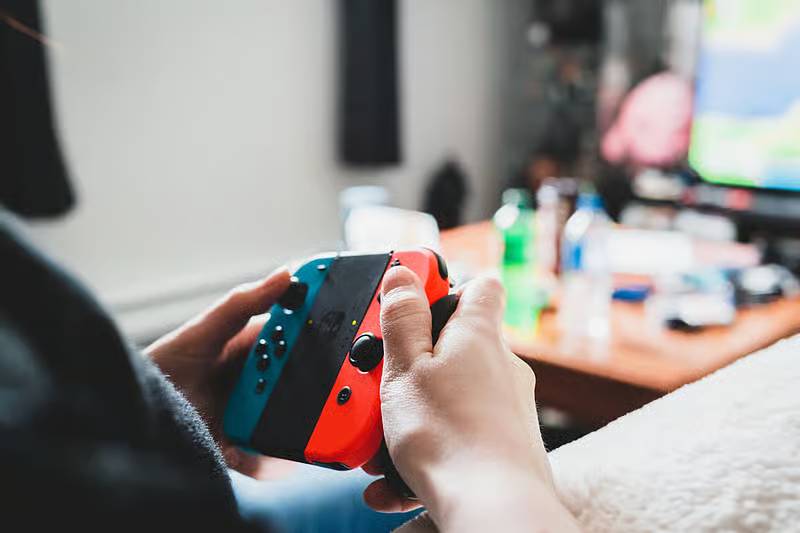
With the launch of Grand Theft Auto 6 (GTA 6) attracting growing interest among young gamers, schools in the UAE are urging parents to look beyond the excitement surrounding the popular video game and consider whether its mature themes are suitable for children.
The National Anti-Narcotics Authority issued a warning on Saturday, November 21, highlighting concerns over scenes involving drug use and illegal activities in the game, and their potential impact on children and young people.
The authority cautioned that such content could negatively affect children’s awareness and behaviour. It urged parents to pay closer attention to the games their children access, check age classifications and discuss the dangers of content that could normalise risky behaviour.
The warning comes amid growing conversations among parents and residents on social media about the game’s content. Some UAE schools have also issued advisories to families, emphasising that despite its popularity, GTA 6 is not designed for children.
Educators say repeated exposure to adult themes during formative years could shape how young people perceive behaviour, particularly while they are still learning to distinguish between virtual entertainment and real-life consequences.
Noufal Ahmed, founder and managing director of Woodlem Education, said schools had legitimate reasons to be concerned about children’s exposure to age-inappropriate material.
He cautioned that repeated exposure to themes involving drugs and violence could gradually influence children’s understanding of what is acceptable.
“During their formative years, children may not always distinguish between virtual entertainment and real-life consequences. Therefore, age-appropriate digital exposure and parental guidance are essential,” he said.
Ahmed stressed that keeping children safe online requires cooperation between families and schools, rather than relying on restrictions alone.
Parents, he said, should monitor the games their children play, pay attention to age classifications and establish reasonable screen-time limits. Schools, meanwhile, should equip students with the awareness and skills to make responsible decisions when using technology.
“Simply restricting access is not enough. Children need to understand why certain content may be inappropriate for their age and how to exercise good judgement when navigating the digital world,” Ahmed said.
He added that classroom discussions, wellbeing programmes and digital citizenship initiatives could help children critically assess what they encounter online and understand the consequences of harmful behaviour.
“Our responsibility as educators is to prepare children to navigate the digital world safely, confidently and responsibly,” he said.
UAE school alerts parents ahead of GTA 6 release
Some schools have taken a proactive approach, contacting families ahead of the game’s release to flag concerns about its content and the possibility of students prioritising gaming over their studies.
Stephanie Watson, deputy head of Secondary at The British International School Abu Dhabi, said the school emailed parents in advance after noticing a growing trend of students potentially missing school to play the game.
The communication was intended to alert families to more than just the game’s mature themes, with attendance also emerging as a concern.
“As a school, we took a proactive approach by emailing all parents in advance of the game’s release, as we were aware of a growing trend of students missing school to play the game,” Watson said.
“We felt it was important to raise awareness with families, not only around the potential impact on attendance but also the nature of the content and mature themes associated with the game.”
The school received encouraging feedback from families, many of whom appreciated being alerted to the issue before it became a concern at home.
“We received lots of positive responses from parents, many of whom thanked us for bringing this to their attention and for taking a proactive approach,” she said.
Watson said the school’s response focused on education and helping students understand the consequences of their choices, rather than simply telling them what they could or could not play.
Through its Personal, Social, and Moral Education (PSME) and science curricula, the school teaches students to assess risks, make informed decisions and recognise how their actions can affect themselves and others.
It also has filtering and monitoring systems to restrict access to inappropriate online material on campus. A Digital Charter sets out expectations for responsible technology use, while students, staff and parents receive regular guidance and training.
Why conversations about gaming matter
For educators, the wider concern is not necessarily gaming itself, but whether children have the maturity and guidance to engage with content designed for adult audiences.
Watson said schools and parents must work together to help young people understand age restrictions and develop the judgement needed to navigate an increasingly digital environment.
She emphasised that the aim was not to create unnecessary alarm or discourage gaming altogether, but to ensure children understood the difference between age-appropriate entertainment and content that could expose them to adult themes.
“Our approach is not about creating alarm or discouraging gaming altogether, but about ensuring students understand age-appropriate content, make responsible choices, and recognise that actions online can have real-world consequences,” she said.
Ultimately, she said, children need more than restrictions to make safe choices independently.
“We want to equip our students with the knowledge, confidence, and critical thinking skills to make safe and informed decisions, both online and offline,” Watson said.