

Smart underground systems will collect heavy rainfall to protect local crops and reduce dependence on water treatment plants.
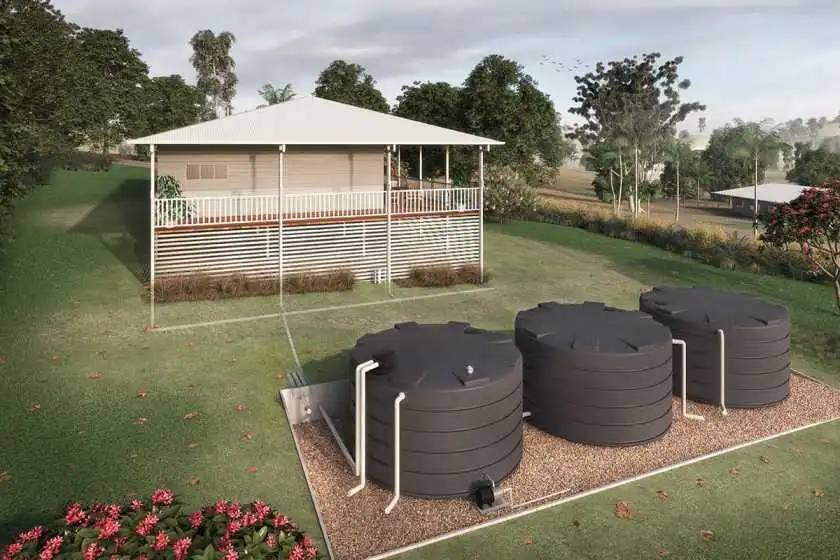
As the winter rainy season approaches, farmers in Sharjah are preparing to turn seasonal downpours into a reliable source of water. A new project in Al Dhaid uses smart underground pipelines to collect rainwater and store it beneath the surface.
The system is designed to help farms conserve water and reduce their dependence on costly water treatment methods. Storing water underground can also help farmers manage changing weather conditions and address challenges posed by saline soil.
A senior official from the Department of Agriculture and Livestock said the initiative reflects a shift towards more proactive water resource management.
“Our goal is to move from just watching the weather to actively managing our water resources. By building the infrastructure to catch rainwater, we are securing the foundation needed for successful farming,” the official said, adding that the project is being implemented by Al Dhaid Municipality and agricultural authorities.
The benefits are already being felt by farmers. Ali Al Kitbi, a local farm owner, said access to automated underground irrigation and treated water supplies had helped make farming more reliable.
“Before, changing weather and salty soil made farming a gamble. With automated underground watering and treated water supplies, we have stabilised our harvests and grown more essential crops. It has turned a difficult challenge into a dependable living,” he said.
Sharjah expands agricultural ambitions
Sharjah’s agricultural plans extend beyond individual farms. The emirate has successfully cultivated vegetables from original plant strains and recorded its first successful grape harvest at the Ghamam project on Jebel Deem, located about 850 metres above sea level.
It has also introduced programmes in agriculture, veterinary medicine and desert sciences at the University of Al Dhaid to train specialists who can support its food security initiatives.
As the winter season brings the prospect of increased rainfall, the combination of government planning and private-sector participation is expected to strengthen the region’s agricultural resilience.
The initiative is part of a wider UAE effort to make farming more efficient in the country’s challenging climate. Investments in vertical farming, artificial intelligence to improve crop yields and experiments with drought-resistant varieties are among the measures being pursued to boost domestic food production and reduce reliance on imports.

