

NOMAD brings an old Terminal 1 to life with handcrafted finds and bold designs.
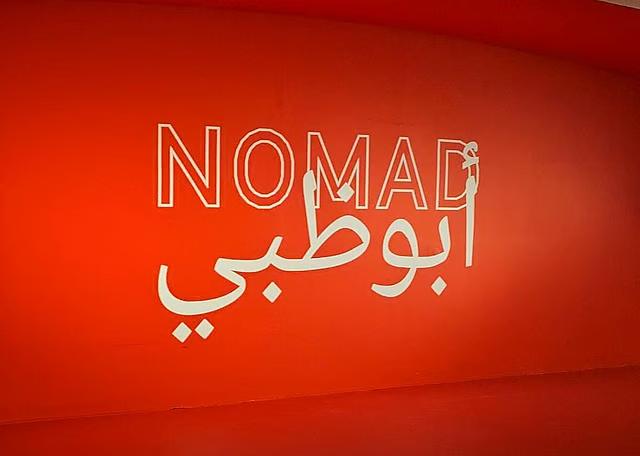
Abu Dhabi: A red glow spills across the corridors of Terminal 1, and for a moment, the old airport feels as though it is still waiting for its next flight. But nobody is in a hurry. Visitors wander from one booth to another, pausing to look closer, leaning in and stepping back. Some chat among themselves, while others simply stand and take it all in.
What catches their attention is the furniture: tables that resemble sculptures, lamps that seem to challenge the chairs beside them, and a striking mix of art, colour and creative expression. Minimalism, it seems, has been left off the guest list.
The jewellery is equally distinctive. Behind glass displays, the pieces are more than accessories. Each tells a story rooted in a country, tradition or culture.
I then turn into an aisle bathed in yellow, where Galerie Gastou from Paris has created a display of flower-shaped lamps. Hanging overhead, they bloom like giant tulips from a mythical landscape.
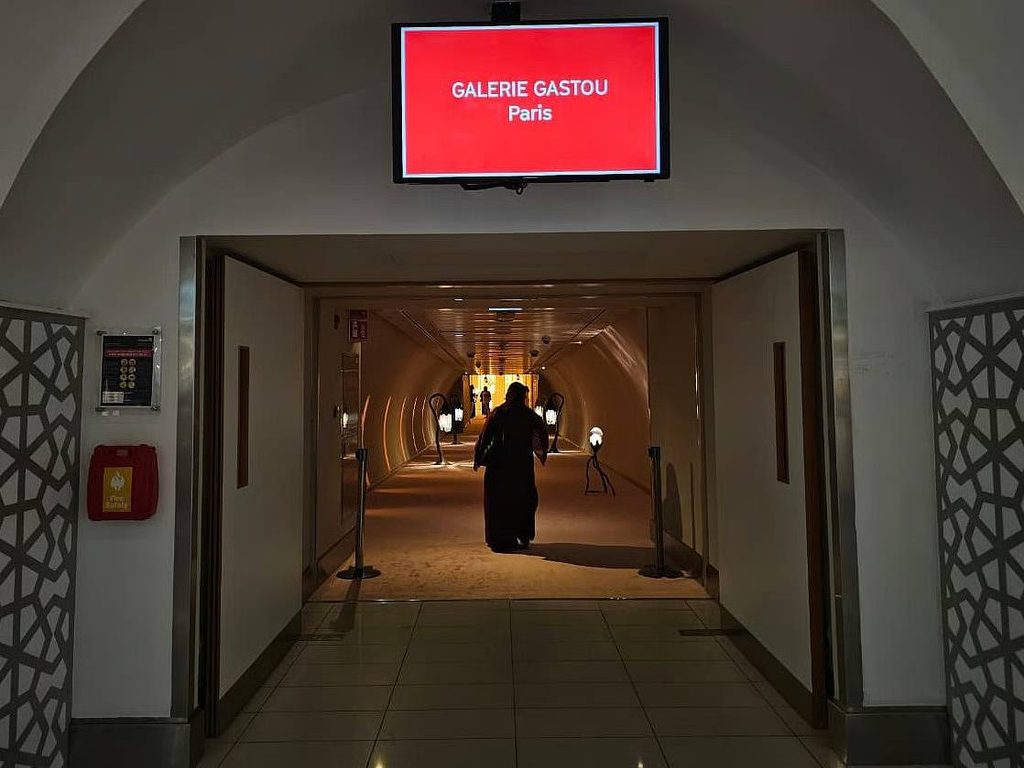
This is the second edition of NOMAD Abu Dhabi, where the departures board may be gone, but the sense of arrival remains. Visitors receive a boarding pass at the entrance before exploring more than 50 exhibitors showcasing collectible design, contemporary art, jewellery and craft.
The building as the main attraction
Designed by Paul Andreu and opened in 1982, the former terminal is as much a highlight as the exhibitions inside it. Four former private gates have been transformed into exhibition spaces named A2Z, Nilufar, Gallery FUMI and Galerie Gastou.
“As I walked in, I still remember the days when I used the airport for transit flights, the spot where I stopped for a bite, walking through the corridor that once connected to the circle of kiosks and shops,” said Adhil Shafeer, a student and Abu Dhabi resident.
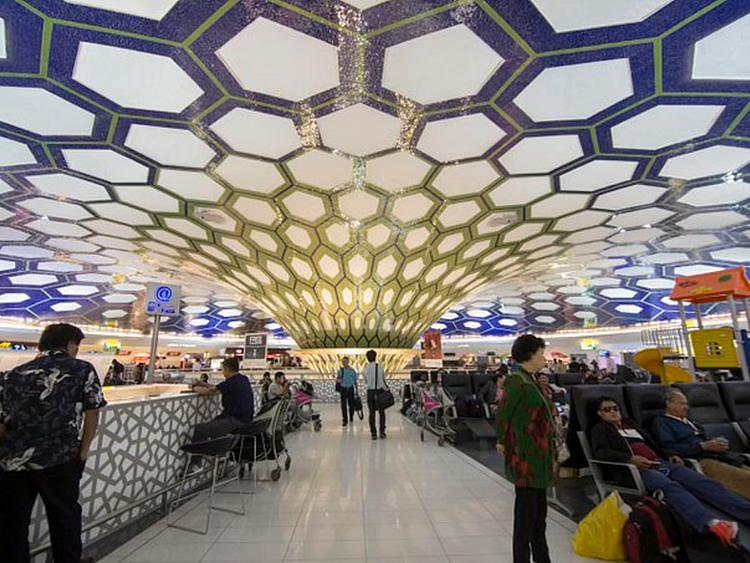
As visitors move between the displays, one of the first architectural features to catch the eye is a column that widens towards the ceiling, resembling a funnel or an inverted cone. Its honeycomb pattern of hexagons looks almost like an artwork in its own right.
“They have kept the ambience alive, even when bringing the event together with cultures and arts from different parts of the world,” he added.
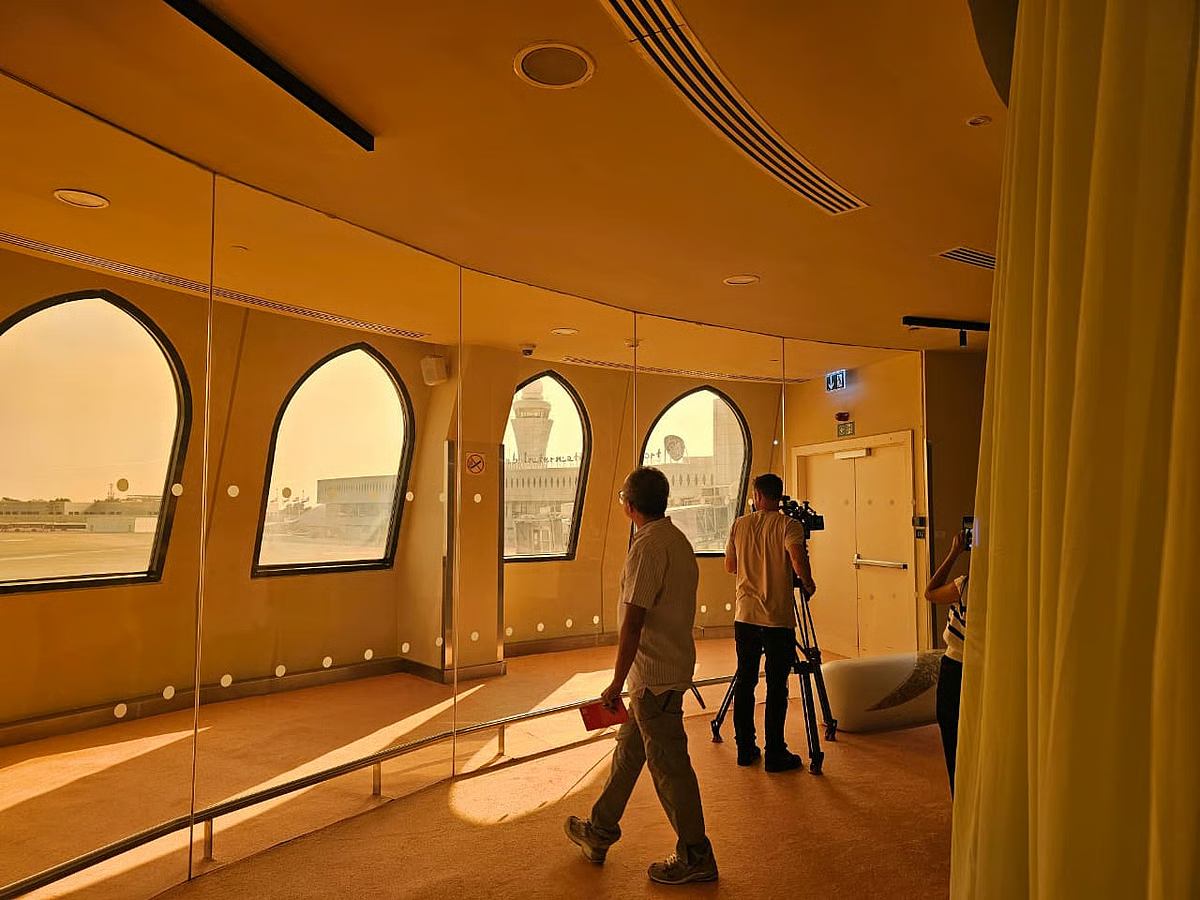
At Naba Debs, the collectors’ lounge, visitors pause by a window that frames the terminal’s dome. The old airport’s name remains printed on the glass, its original lettering untouched. Beyond it, the runway stretches into the distance.
Lost in the terminal, happily
For Silvia, an Italian jewellery designer who moved to the UAE six years ago, one of the most interesting aspects of the event is the surprise visitors express when they discover the work on display.
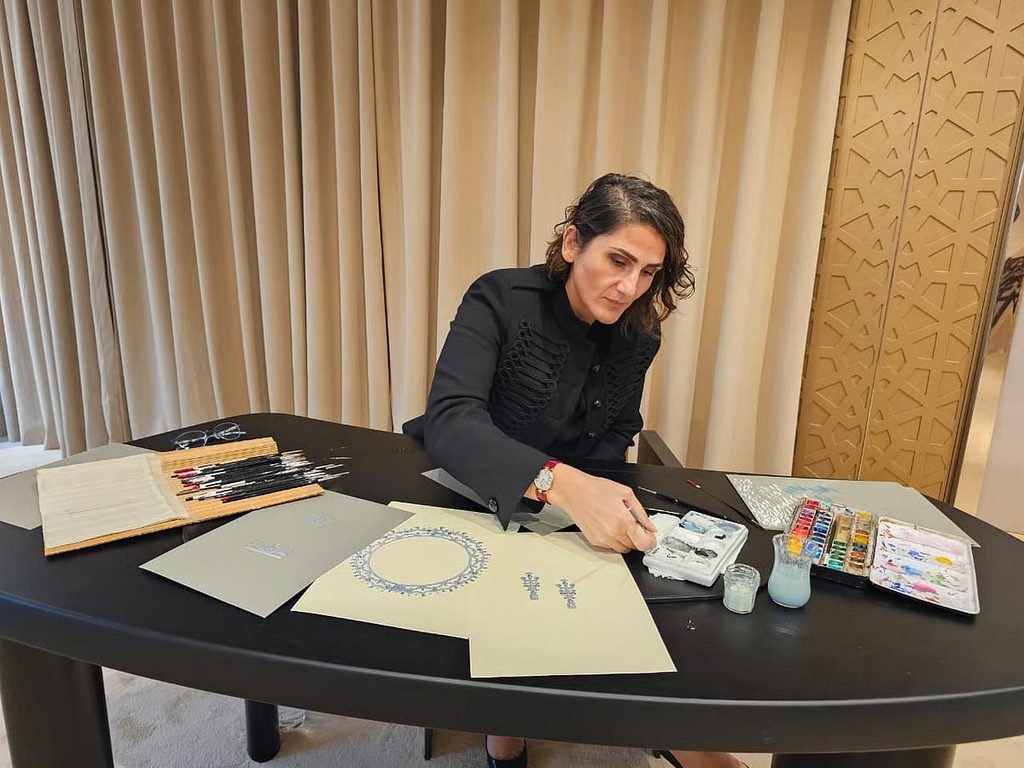
“They’re amazed that we still do things by hand,” she says, explaining that people often ask why she continues to make her pieces by hand when so many artists now use AI-generated art.
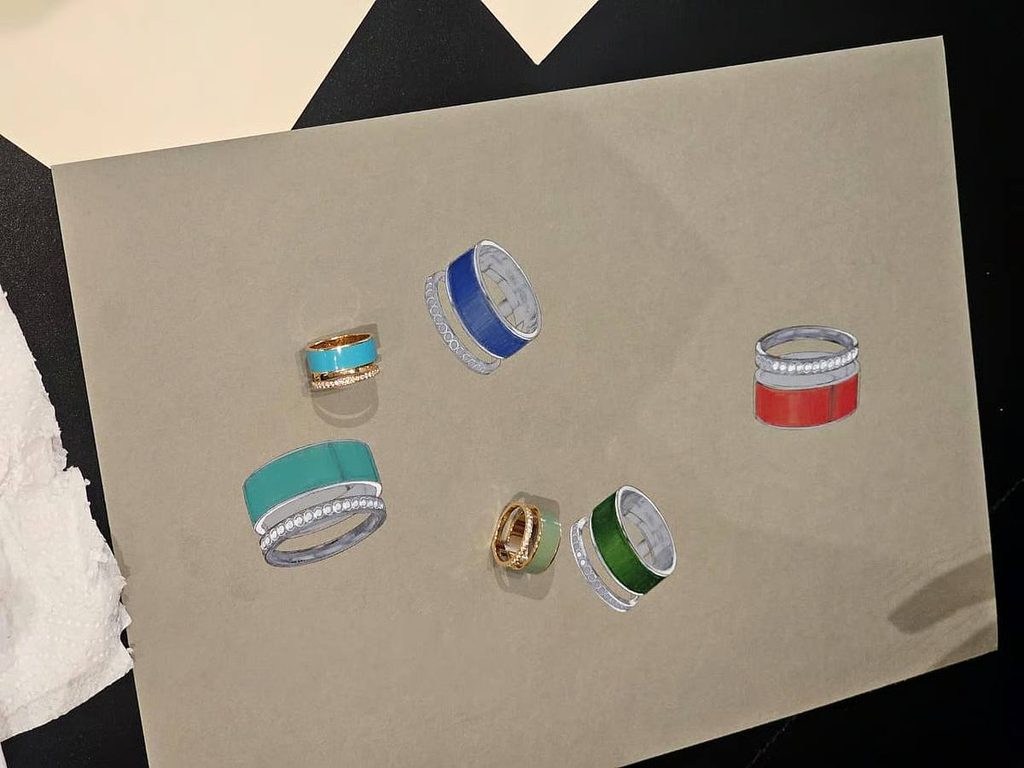
For her, speed is not the point. AI may make the process faster, but her gouache technique, an antique method of illustrating jewellery used largely in Europe, is about expressing what she calls “the luxury of the handmade”.
A necklace can take nine days to complete, with eight hours of work each day, while even a simple ring may require between two and four hours. “You really need to take the time to paint every stone one by one,” she says.
Asked what she likes most about the fair, she points to the furniture upstairs, describing it as “beautifully designed, very balanced, very edgy. Not minimalist at all.”
What she particularly admires is the confidence behind the designs. “I love the courage of the artists. It’s kind of like, I don’t care, I’m just going to do what I like.”
The building itself also appeals to her. “This space is being recycled and used again to exhibit different types of art,” she says. “This place is now used wisely.”
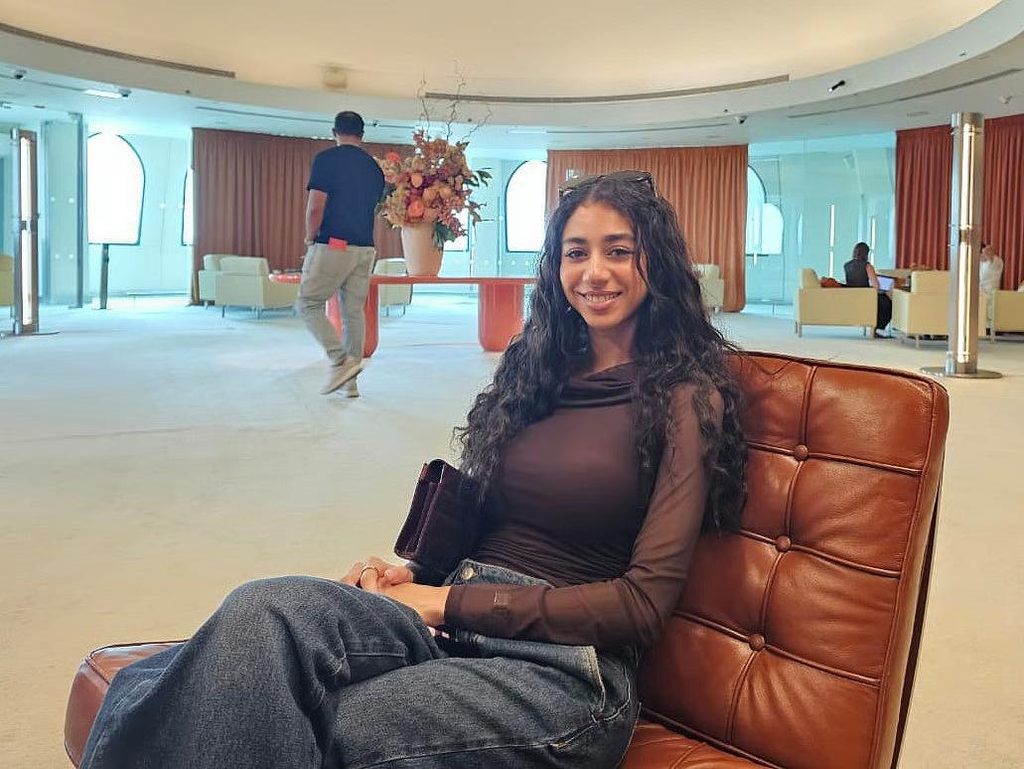
For 25-year-old Wahiba, an Etihad cabin crew member from France, the terminal is one of the main attractions. Having joined the airline three years ago, just as the new airport opened, she never had the opportunity to work from the old terminal.
She welcomed the chance to explore a place she had previously only known by name. “It was a way for us to discover the previous terminal, because we’ve never been to it,” she says.
She missed last year’s edition because of her days off and had been looking forward to attending this time. What stood out for her was the variety of work on display.
“Each pod was very different, giving different feelings and emotions,” she says. “It was very nourishing for me and my friends.”
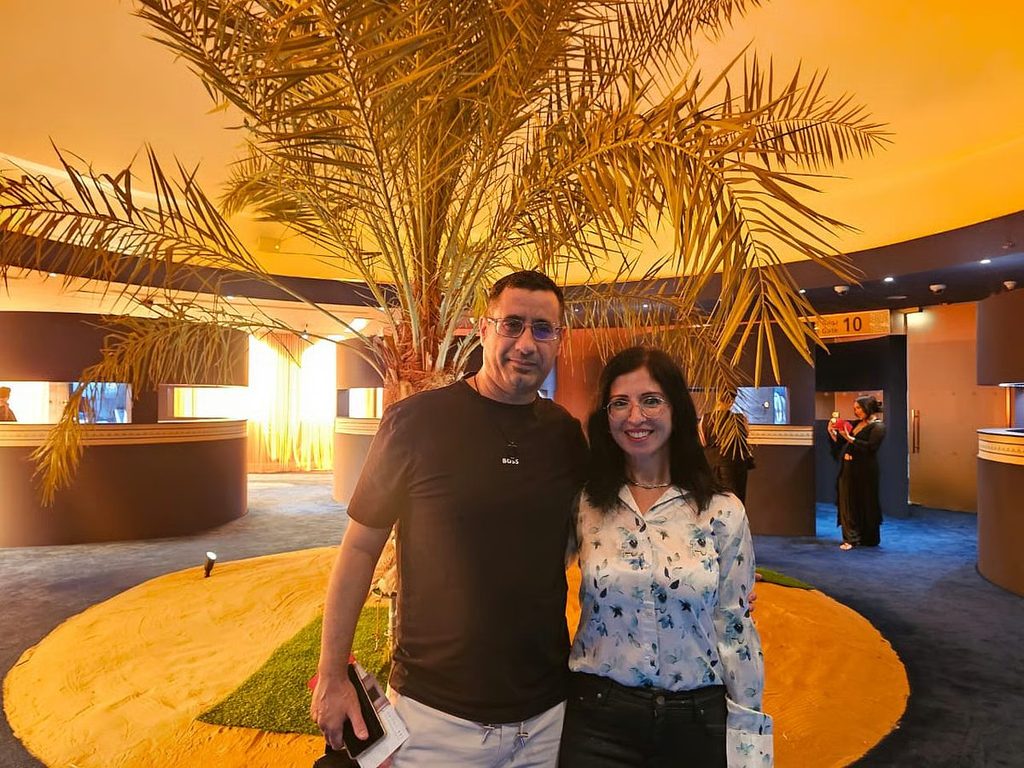
Momi Mizrahi, who lives in Dubai and designs luxury tableware with his wife, Esther, made the drive to Abu Dhabi with a practical goal in mind: finding potential collaborators.
“We want to make some cooperation here with some artist or company,” he says.
His favourite, however, was the first space he visited: the AP room.
From hypercars to pearls at a terminal
One of the most photographed exhibits is likely to be the YANGWANG U9, the electric hypercar that set a production-car speed record of 496.22 km/h in September 2025. At NOMAD, the car is displayed alongside work by Dubai-based artist Ibrahim Zaki, bringing together automotive engineering and his distinctive approach to Arabic calligraphy.
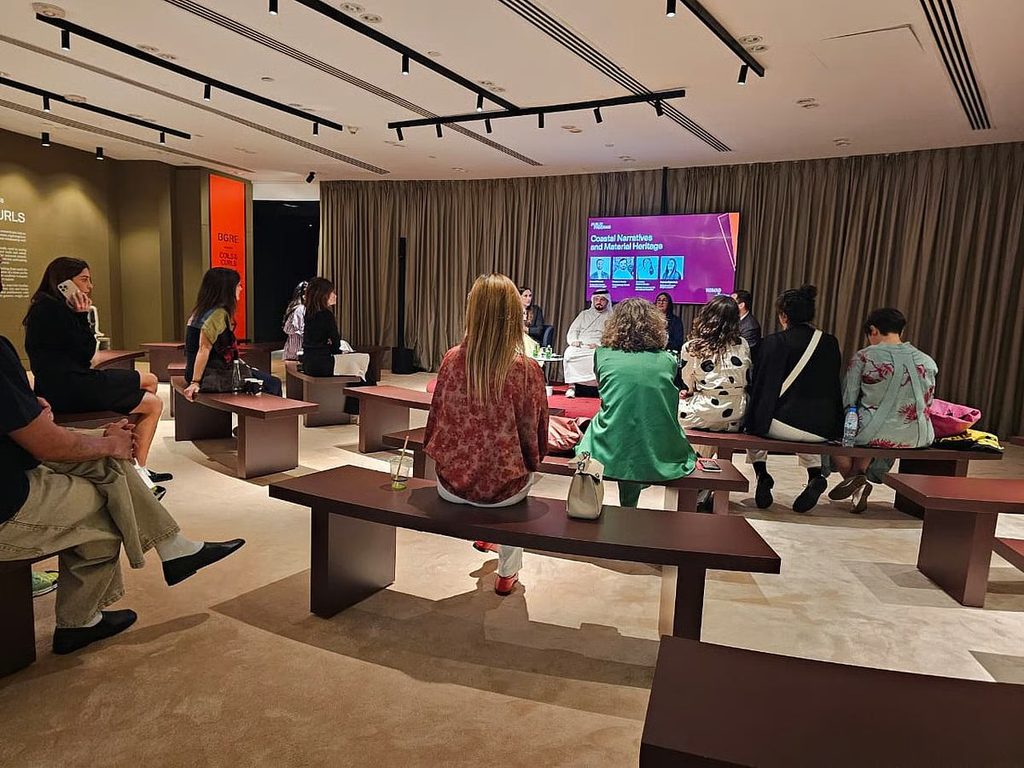
Elsewhere, visitors stopped to admire a collection of sculptures by Mexican artists at Alkimista, the first platform dedicated to Mexican art and craftsmanship in the Middle East. Others attended sessions featuring experts discussing the role of art in the contemporary world.
I was drawn to the MATTAR display, which carried the message: nature created the pearl long before humanity learnt to recognise its value. The exhibits explored different forms of jewellery, with pearls at the heart of each creation.
The concept was rooted in acknowledging nature’s contribution and recognising how human knowledge evolved through its resources. In the Gulf, pearls have long been woven into the region’s maritime heritage and cultural identity.
An airport is a place designed for departures, but the works on display here invite visitors to stay a little longer. Within the old terminal’s expansive spaces, the installations take centre stage. Unlike the restrained interiors of contemporary minimalist spaces, these rooms are filled with colour, texture and bold ideas. Against the backdrop of the terminal’s vast, open architecture, each display seems to speak even louder.

