

Qatar calls for diplomacy as Hormuz crisis threatens global energy supplies and supply chains.
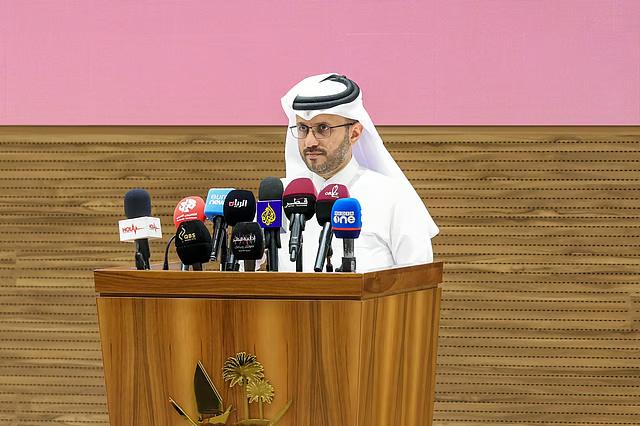
Qatar on Thursday described the closure of the Strait of Hormuz as a global crisis, warning that the disruption was threatening energy security, international supply chains and economic stability.
Foreign Ministry spokesperson Majed Al Ansari called for a united international response and renewed diplomatic engagement with Iran to address the escalating situation.
Speaking at the Mediterranean Dialogues 2026 Forum in Naples, Al Ansari said the impact of the war was being felt far beyond the Middle East, stressing the need for a coordinated international response.
His remarks come as the United States and Iran remain embroiled in a conflict that has disrupted maritime traffic and heightened fears of further regional escalation.
The Strait of Hormuz is one of the world’s most important maritime routes, carrying a significant share of global oil and gas shipments. Its closure has disrupted energy supplies, increased shipping costs and added pressure to fuel prices across international markets.
The fallout extends beyond the energy sector, with disruptions threatening trade flows, raising business costs and creating uncertainty for economies around the world.
The situation has also placed Qatar’s diplomatic role in the spotlight. Doha has sought to position itself as an intermediary in efforts to ease tensions between Washington and Tehran and prevent the conflict from spreading further.
Al Ansari stressed that dialogue and negotiations remained essential to reducing tensions and strengthening regional security. He also urged greater international cooperation and sustained diplomatic efforts to find a way out of the crisis.
Attention is now focused on whether diplomatic initiatives can produce an agreement to end the conflict and restore normal shipping through the Strait of Hormuz.
Until the waterway reopens, businesses and consumers are likely to face continued uncertainty and higher costs. The crisis highlights how instability in a strategically important region can quickly affect global trade, energy markets and economic security.

