

Residential communities provide small businesses with a steady customer base and valuable networking opportunities.
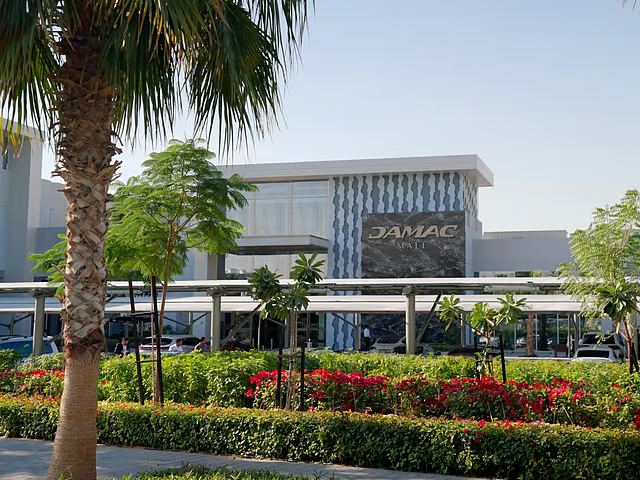
For a small restaurant, a loyal customer who returns every Friday can be just as important as the steady stream of people passing by its doors. This was a key consideration for Haider Al Assam and Luma Maklouf when they decided to take their delivery-only burger business into a physical space. Rather than targeting a busy, high-footfall shopping mall, they looked for a location that would help them build lasting customer relationships.
“We weren’t looking for the busiest mall. We wanted a place where we could connect with customers, build genuine relationships and become part of their everyday lives,” says Al Assam, who founded Good Burger with his wife, Luma, in 2020.
When the couple opened Good Burger’s first physical outlet earlier this year at DAMAC Mall in DAMAC Hills, their aim was to bring the business closer to its customers and become part of their daily routines.
Being part of a residential community allows us to get to know our customers, recognise familiar faces and develop relationships that may not be possible in a conventional shopping mall.
Haider Al Assam, Co-founder of Good Burger
Across Dubai’s residential neighbourhoods, entrepreneurs such as Al Assam and Maklouf are discovering opportunities in the everyday needs of residents. Whether it is convenient dining, recreational activities or fitness services, businesses can find room to grow by understanding what local communities value and offering experiences that encourage repeat visits.
Unlike locations that depend largely on passing footfall, established residential communities provide businesses with the opportunity to build a loyal customer base, generate word-of-mouth recommendations and develop lasting connections with residents, their friends and neighbours.
Developers such as DAMAC Properties, which has delivered more than 50,000 homes in Dubai over the past two decades, have helped create residential communities that offer independent and emerging businesses opportunities to establish themselves, reach new customers and expand their presence.
When an activity becomes a community meeting point
Across Dubai, several businesses are becoming an integral part of residential community life. At The Hobbies Club, for instance, horse-riding lessons offer families an opportunity to spend time outdoors while creating a shared space where residents can connect.
Founder Aref Ali Al Abbar says the business has been rooted in community engagement since it began 30 years ago, bringing people together through animals and sport.
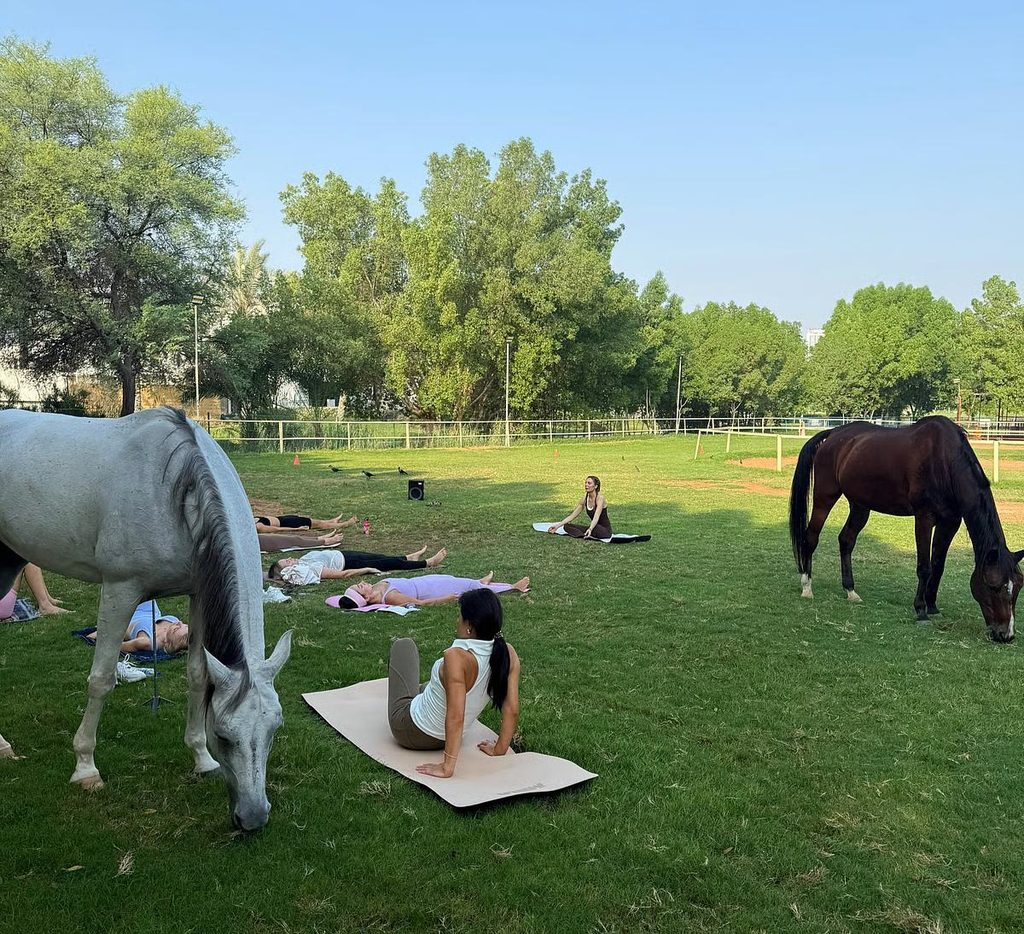
The open spaces at DAMAC Hills, coupled with residents’ interest in family-oriented activities, well-being and nature, made the community a natural fit for the business.
“Our horses have never been happier. We love being part of the community’s everyday life, whether it is through morning riding lessons, weekend family outings or neighbours simply dropping by to say hello to the horses.”
Aref Ali Al Abbar, Founder of The Hobbies Club
Families who initially visit for trial riding sessions often go on to become regular members. According to Al Abbar, parents have seen horse riding help their children build confidence and a sense of responsibility, while also providing families with an opportunity to spend quality time together away from screens.
The friendships developed through riding lessons and workshops often extend beyond the stables, creating a strong sense of belonging that has contributed to the club’s growth.
For Al Abbar, word of mouth has remained the business’s most effective source of new customers.
However, building a loyal following takes time. Having operated within the community for nearly nine years, Al Abbar remembers the commitment required from both the business and the developer during the initial stages. While a presence in an established residential neighbourhood provides access to potential customers, building their confidence and earning their loyalty is ultimately the responsibility of the business.
A customer base beyond the doorstep
As families settle into residential communities, they bring familiar routines with them, from weekday meals and after-school activities to weekend outings. This creates opportunities for businesses to become part of residents’ everyday lives from the beginning.
Lily Hoa Nguyen, founder of Vietnamese Foodies, identified this potential when she expanded the restaurant brand she established in 2018.
Nguyen believes family-oriented residential communities offer an attractive market for restaurants, as residents tend to value convenient access to quality dining experiences. In 2023, she opened a branch at DAMAC Hills, which has since become one of the brand’s eight outlets across Dubai.

“In our vibrant community, it is heartwarming to see familiar faces, from families visiting after school to neighbours picking up dinner and friends enjoying pho together over the weekend. Our team has built meaningful relationships with our guests, and what makes it particularly rewarding is seeing them recommend us to their neighbours. In such a close-knit community, word of mouth is our strongest endorsement,” she says.
Developers, too, recognise the importance of supporting local entrepreneurs. By encouraging independent businesses to establish themselves within residential developments, they help create vibrant neighbourhoods with convenient services and thriving local economies.
Nguyen says DAMAC Mall’s management provided valuable assistance throughout the process, including operational support, design and fit-out coordination, as well as social media and community marketing.
“The support we received made the entire process hassle-free and ensured everything met international standards,” she says.
For a growing home-grown brand, this kind of assistance can make a significant difference, helping businesses establish their presence while connecting directly with the communities they serve.
From neighbours to teammates
A similar sense of connection is emerging in the fitness sector at The Training Room in DAMAC Hills 2. Originally established in Al Quoz in 2020, the fitness business expanded into the residential community through a rented facility in April 2024.
“The community embraced us right from the start,” says co-founder Keith O’Malley-Farrell.
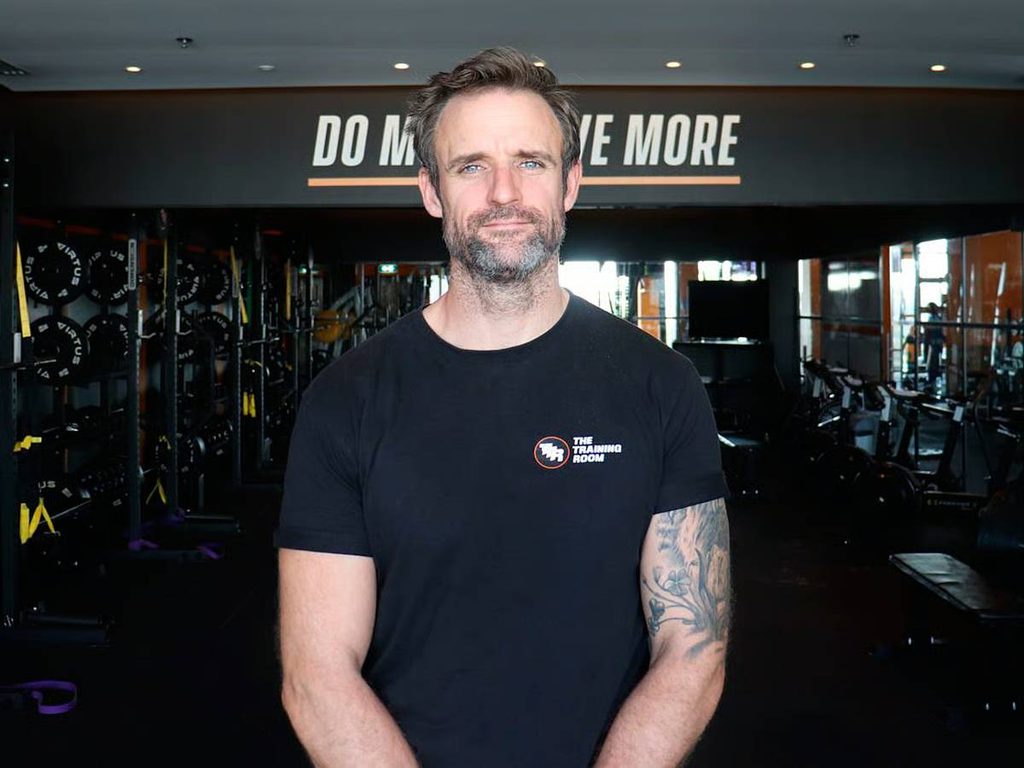
Since then, its run club has completed the neighbourhood’s seven-kilometre circuit almost every weekend, with members continuing to participate even through the summer months. Beyond its regular training sessions, the facility also prepares individuals for a range of personal challenges, from completing their first 10km race to trekking to Kilimanjaro and reaching Everest Base Camp.
Having a fitness facility close to home makes it easier for residents to take that first step. Familiar faces and a sense of camaraderie provide further motivation to keep coming back. For businesses, these regular interactions help establish relationships that go beyond individual classes or membership plans.
However, the opportunities within residential communities are not limited to food and beverage outlets, service providers or fitness centres. Nikki Alli, Founder and Managing Director of Mercore Advisory, has also found considerable value in running her business from her home in the Centaury cluster at DAMAC Hills 2.
“Many people assume that an advisory business needs to operate from a prominent commercial district to be taken seriously. My experience has been quite different. Clients are less concerned about an address and more interested in the quality of advice they receive. Good judgement can be delivered just as effectively from a quiet home office as from a high-rise in the city,” she says.

Alli manages her Gulf-based work in the mornings, before turning her attention to clients in London and Lagos in the evenings. Working from home has eliminated lengthy commutes and reduced overheads, allowing her to direct more resources towards growing the business.
“I’m no longer spending hours commuting, and the money that would otherwise go towards maintaining an office can now be reinvested in the business,” she says.
For client meetings, Alli often arranges breakfast, lunch or coffee at the community centre. When a more formal setting is required, a nearby hotel provides a convenient alternative.
Whether it is a business deal finalised from a home office, a customer returning for their regular burger order or a family booking weekly riding lessons, these everyday interactions give small businesses a foundation on which to grow. Over time, they do more than create a customer base. They help businesses become an integral part of the communities they serve.

