

Flight disruptions, oil market volatility and renewed Strait of Hormuz risks affect travellers.
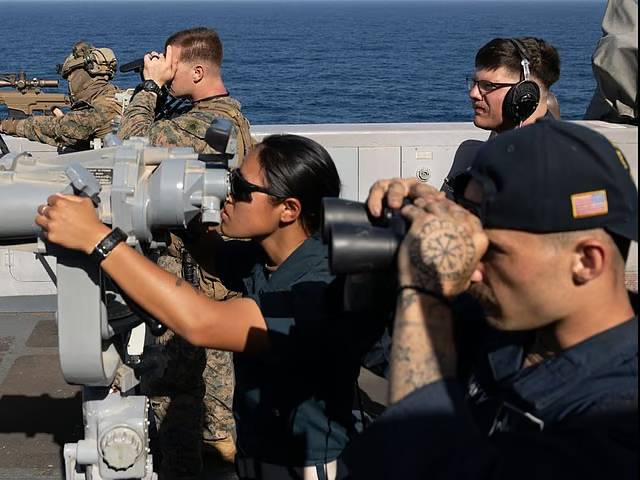
As the US-Israel war with Iran enters Day 256, suspensions on Saudi routes and attacks on shipping in the Strait of Hormuz continue to affect regional travel and maritime activity.
While the latest security developments do not point to a generalised threat to residents in the UAE, they underline the importance of careful travel planning, coastal safety precautions and awareness of potential fuel-cost changes.
Here are the latest developments:
Aviation situation
UAE airspace remains open, with airlines adjusting routes and operations in response to potential threats. However, carriers continue to conduct individual risk assessments and follow evolving conflict-zone advisories.
The European Union Aviation Safety Agency (EASA) has maintained advisories covering Iran, the UAE, Bahrain, Kuwait, Qatar and Oman, currently valid until November 16 unless revised earlier.
- The main confirmed passenger impact has been on Saudi routes amid attacks launched by Iran-backed Houthis in Yemen.
- Etihad has suspended flights from Abu Dhabi to Riyadh and Dammam until November 19. Flydubai’s Dammam service was still listed as cancelled, while Emirates and Air Arabia have reported selected disruptions to Saudi services.
- Iranian-operated flights to the UAE remain suspended, while Emirates and flydubai services to Tel Aviv have also been affected.
These arrangements remain subject to change as airlines review security information and reassess routes.
Oil and fuel costs
Oil prices rebounded on Wednesday after falling to two-month lows, as traders weighed prospects of de-escalation against continued attacks on shipping in the Strait of Hormuz.
Four crew members were reportedly injured when the Liberia-flagged supertanker VLCC MT Fujairah Energy was struck by a projectile on November 10 while transiting the Arabian Gulf.
The incident was reported by India’s Ports, Shipping and Waterways Minister Sarbananda Sonowal.
By 10.30am Gulf time (2.30pm Beijing time), Brent crude had risen $1.15, or 1.26 per cent, to $92.64 a barrel. US West Texas Intermediate (WTI) gained 69 cents, or 0.80 per cent, to $86.73.
Murban physical crude, however, fell sharply by $7.10 to $92.07, a decline of 7.16 per cent.
For UAE residents, the immediate concern is how movements in global oil markets could feed into fuel, transport and imported-goods costs, rather than benchmark prices alone.
The latest recovery followed earlier declines, highlighting how quickly market expectations can shift when tankers come under attack or shipping routes remain under pressure.
Attacks on ships in Hormuz
The Strait of Hormuz remains one of the region’s most significant pressure points.
Reuters reported that 37 ships were attacked in the strait and surrounding waterways in October, the highest monthly total since the war began. A further 10 attacks had been recorded in November by the time of reporting.
On Tuesday, November 10, ADNOC Logistics and Services confirmed that one of its vessels was damaged in an attack in UAE territorial waters in the Arabian Gulf. The company did not identify the vessel or disclose the extent of the damage and other details surrounding the incident.
It also urged the public to rely on official sources for information and avoid circulating rumours or unverified reports.
Reuters had earlier reported that a tanker was struck northeast of Lima in Oman. Separately, Iran’s Revolutionary Guards Navy said two tankers caught fire after hitting naval mines while using what it described as an “unauthorised route”.
These are separate accounts and have not been independently verified as a single sequence of events.
Maritime risks have also had implications for coastal areas. Khor Fakkan Municipality temporarily closed Al Luluia beach after oil patches were detected. Reports linked the contamination to the tanker VIEIRA, which was said to be leaking about 65 kilometres off Fujairah.
What residents should do
- Follow local municipal and national authority announcements rather than relying on assumptions or unverified reports.
- Check airline apps and official airport channels before travelling. Avoid relying on older schedules or social media updates.
- Confirm itineraries involving Saudi Arabia, Bahrain, Kuwait and Israel directly with airlines, as routes and flight frequencies may change.
- Follow UAE Ministry of Foreign Affairs and local authority advisories. MOFA has an active travel ban for UAE nationals travelling to Iran and has urged citizens already there to return promptly.
- Stay away from beaches under municipal closure and report suspected oil contamination instead of entering affected waters.
- Keep emergency contacts, travel insurance information and alternative transport arrangements accessible, particularly when planning time-sensitive international journeys.
Impact on civilians
The conflict’s impact on civilians is increasingly visible through travel disruption, energy-market movements and coastal safety concerns, rather than a single citywide emergency.
Residents should remain prepared for changing travel schedules and follow official guidance, while avoiding assumptions about an imminent threat to their immediate surroundings.
Why the Strait of Hormuz matters
Disruptions in the Strait of Hormuz can affect fuel prices, shipping reliability and international travel.
For UAE residents, the practical concern extends beyond geopolitical developments to whether flights, beach access and household expenses will remain predictable in the days ahead.
- Monitor airline announcements, EASA and GCAA notices, municipal beach advisories and maritime security updates.
- Any confirmed progress towards de-escalation could ease pressure on oil prices. However, further tanker attacks could keep shipping routes, insurance premiums and fuel costs under strain.
- Check your flight status before leaving for the airport, avoid beaches that have been closed and follow official safety guidance.
- Build flexibility into travel arrangements and prepare for continued volatility in fuel-related costs while the situation around the Strait of Hormuz remains unresolved.

