

Combining household cleaning products can release toxic gases and put families at risk.
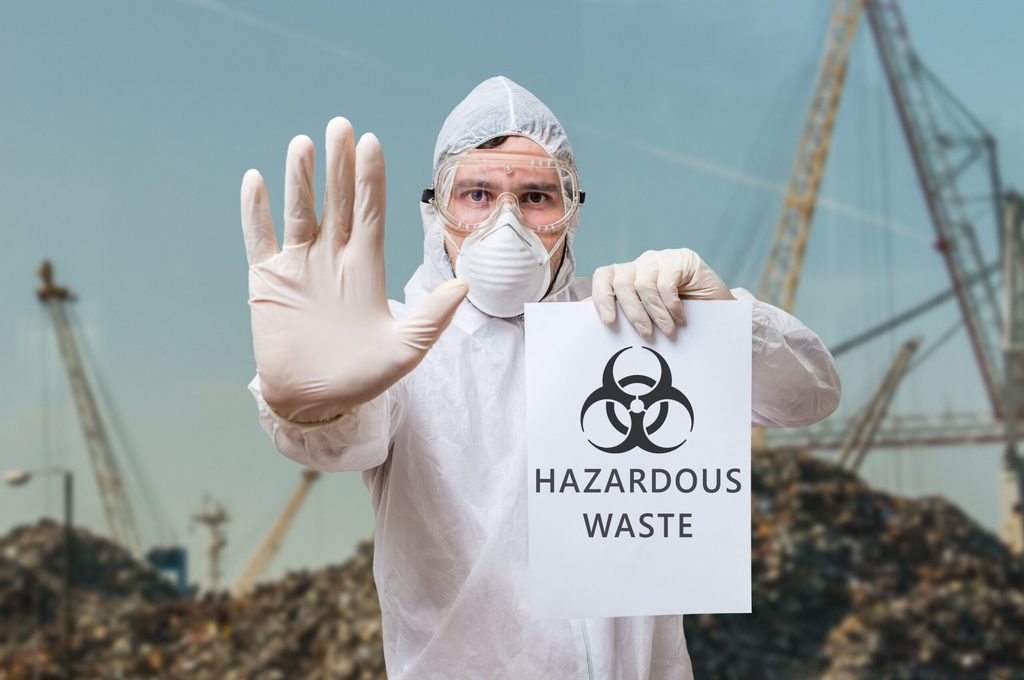
Authorities in Abu Dhabi have issued a warning about a common household cleaning practice that could expose families to dangerous chemical reactions: mixing different cleaning products.
The Abu Dhabi Hazardous Materials Management Centre (ADHMMC) has highlighted the serious risks associated with combining cleaning chemicals, explaining that certain mixtures can release toxic gases capable of causing respiratory injuries and severe irritation to the eyes and mucous membranes.
The centre has urged residents to handle cleaning products carefully, follow the instructions on their labels and keep all chemicals securely stored and out of children’s reach.
Warning: Never mix household cleaning products
The Abu Dhabi Centre for Hazardous Materials Management has cautioned residents against combining household cleaners, warning that mixing certain commonly used products can produce toxic gases and lead to serious health problems.
These reactions may cause breathing difficulties and irritation of the eyes and skin. The centre has advised consumers to use cleaning products separately and follow the manufacturer’s directions.
In an awareness message shared through its official social media accounts, the centre explained that combining bleach (chlorine) with vinegar can release chlorine gas. Mixing bleach with certain glass cleaners can also produce chloramine gases.
Exposure to these substances can result in respiratory complications and irritation affecting the eyes and skin.
To minimise the risks, residents have been advised never to mix cleaning products and to use each one individually, in accordance with the instructions printed on its packaging.
How to protect children from household chemical hazards
The centre has also stressed that preventing accidental exposure starts with the safe storage and handling of chemicals at home.
Parents and caregivers should read product labels before use and keep cleaning agents in high, secure places or locked cupboards where children cannot reach them.
Installing child-safety locks on cupboard doors can provide an additional layer of protection. The centre has also warned against transferring cleaning chemicals into food or drink containers, as children may mistake them for something safe to consume.
Children should be kept away from areas where cleaning is taking place and remain under adult supervision until the space is safe.
The centre further advised households to retain the original packaging of chemical products in case medical assistance is needed. Following storage and handling instructions is essential to safeguarding children and other family members.
Chemical reactions: How household cleaners can produce toxic compounds
Many household cleaning products contain active chemical ingredients designed to remove dirt, disinfect surfaces or tackle stubborn stains.
However, combining products without understanding their chemical composition can trigger reactions that release hazardous gases and compounds.
Some of the dangerous combinations highlighted by experts include:
1. Chlorine bleach and ammonia
Mixing chlorine bleach, which commonly contains sodium hypochlorite, with ammonia-based products, including some glass cleaners, can release chloramine gases.
Breathing in these gases can cause significant respiratory irritation, burning eyes and intense coughing. Severe exposure may also result in fluid building up in the lungs.
2. Chlorine bleach and acidic products
This includes combining bleach with vinegar, toilet bowl cleaners or limescale removers.
Such mixtures can release chlorine gas, a highly toxic substance that can cause choking, injure the respiratory tract and damage body tissues.
3. Chlorine bleach and alcohol-based products
Mixing bleach with alcohol-containing cleaners or certain solvents, such as acetone, can produce hazardous compounds, including chloroform.
Exposure to chloroform can affect the central nervous system and cause symptoms such as dizziness, nausea and, in severe cases, loss of consciousness.
Health risks and respiratory damage
Exposure to toxic gases produced by reactions between cleaning products can cause more than temporary discomfort. Depending on the chemicals involved and the level of exposure, the effects may range from irritation to serious respiratory and other health complications.
Key health risks include:
- Irritation of the eyes and mucous membranes: Toxic gases can cause immediate discomfort, including redness and burning sensations in the eyes, nose and throat.
- Respiratory problems: Exposure may lead to persistent coughing and acute breathing difficulties. People with existing respiratory conditions, including asthma and chronic obstructive pulmonary disease (COPD), may face additional complications.
- Skin reactions: Direct contact with hazardous chemical compounds can cause severe inflammation and chemical burns.
Safe storage and child protection
Household cleaning products should be treated as chemicals that require careful handling and secure storage.
Children are particularly vulnerable because of their natural curiosity and the risk of accidentally accessing products left within reach.
Safety measures and recommendations
The centre’s guidance and recommended precautions include:
- Safe storage: Keep cleaning products in their original packaging. Never transfer them into water bottles, juice containers or other food and beverage packaging, as children could mistake them for something safe to drink.
- Protect children: Store cleaning agents in high, locked cupboards fitted with child-safety locks that are difficult for children to open.
- Ensure proper ventilation: Open windows and use exhaust fans while cleaning to maintain good airflow and prevent the accumulation of harmful fumes indoors.
- Use protective equipment: Wear rubber gloves and protective goggles when handling highly concentrated cleaning chemicals.
First aid and immediate response
If someone accidentally inhales toxic gases or is exposed to hazardous chemicals, health authorities recommend taking the following immediate steps:
- Leave the area immediately: Move outdoors or to a well-ventilated open space where fresh air is available.
- Ventilate the affected space: Open windows and doors to help clear the fumes, but do not remain in the contaminated area or put yourself at further risk of inhalation.
- Rinse exposed areas: If chemicals come into contact with the skin or eyes, flush the affected areas with running water for at least 15 minutes.
- Seek medical help: Contact emergency services or visit the nearest healthcare facility if symptoms such as breathing difficulties or dizziness continue.
Preventing accidental chemical reactions and understanding the ingredients in household cleaning products remain essential to protecting families and the wider community from domestic chemical poisoning incidents.

