

The milestone highlights Abu Dhabi’s efforts to reduce fossil fuel dependence and promote cleaner transport.
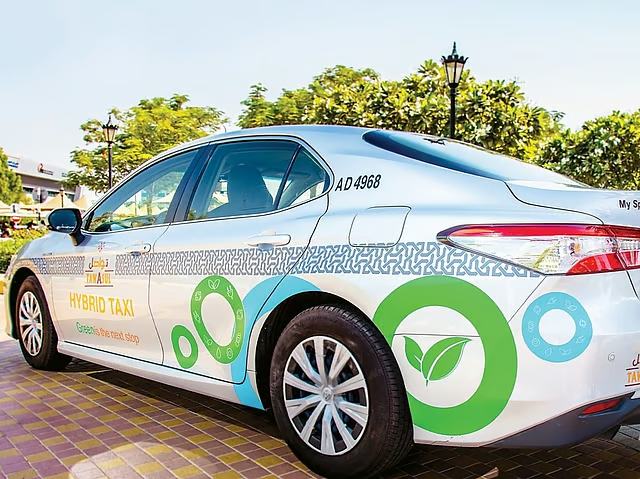
Abu Dhabi is accelerating its transition towards sustainable transport, with low-emission, hybrid and electric vehicles now making up approximately 99 per cent of the emirate’s taxi fleet of more than 6,147 vehicles.
The milestone reflects the growing adoption of cleaner mobility solutions and efforts to reduce dependence on conventional fuels.
The Integrated Transport Centre (ITC), part of the Department of Municipalities and Transport, said its sustainable transport strategy focuses on expanding the use of clean energy across public transport, developing smart shared-mobility projects and strengthening supporting infrastructure and regulatory frameworks.
These initiatives aim to build a modern, safe, intelligent and sustainable transport network that improves quality of life and supports the emirate’s economic development.
Working with its partners, the centre is also rolling out initiatives to encourage taxi operators to adopt more environmentally friendly vehicles, with the long-term goal of transitioning to a fully sustainable fleet.
The programmes also seek to encourage residents to choose greener transport options and help reduce carbon emissions across the emirate.
Environmental sustainability is also being supported by digital transformation across Abu Dhabi’s taxi sector. The Integrated Transport Centre offers smart booking services through the Abu Dhabi Taxi app and several approved booking platforms. Passengers can also pay through various electronic methods, including payment terminals, QR codes and authorised digital payment solutions.
Safe and reliable mobility: 60 million taxi passengers in 2025
Abu Dhabi’s taxi sector recorded more than 60 million passenger journeys in 2025, with smart bookings accounting for 18 per cent of all bookings. Electronic payment transactions exceeded 38.53 million during the year.
The centre operates two services — Abu Dhabi Taxi and Zayed International Airport Taxi — providing transport across the emirate and connecting passengers arriving at the airport with destinations throughout Abu Dhabi.
Together, the services form part of an integrated transport network that combines environmental sustainability, operational efficiency and digital innovation.
A comprehensive strategy led by Abu Dhabi Mobility
The shift towards a greener taxi fleet is part of a wider strategy led by Abu Dhabi Mobility, the Integrated Transport Centre, to develop an environmentally friendly and intelligent transport network.
The strategy goes beyond upgrading vehicles, supporting the emirate’s efforts to build a sustainable mobility ecosystem as Abu Dhabi works towards its ambition of achieving climate neutrality by 2050.
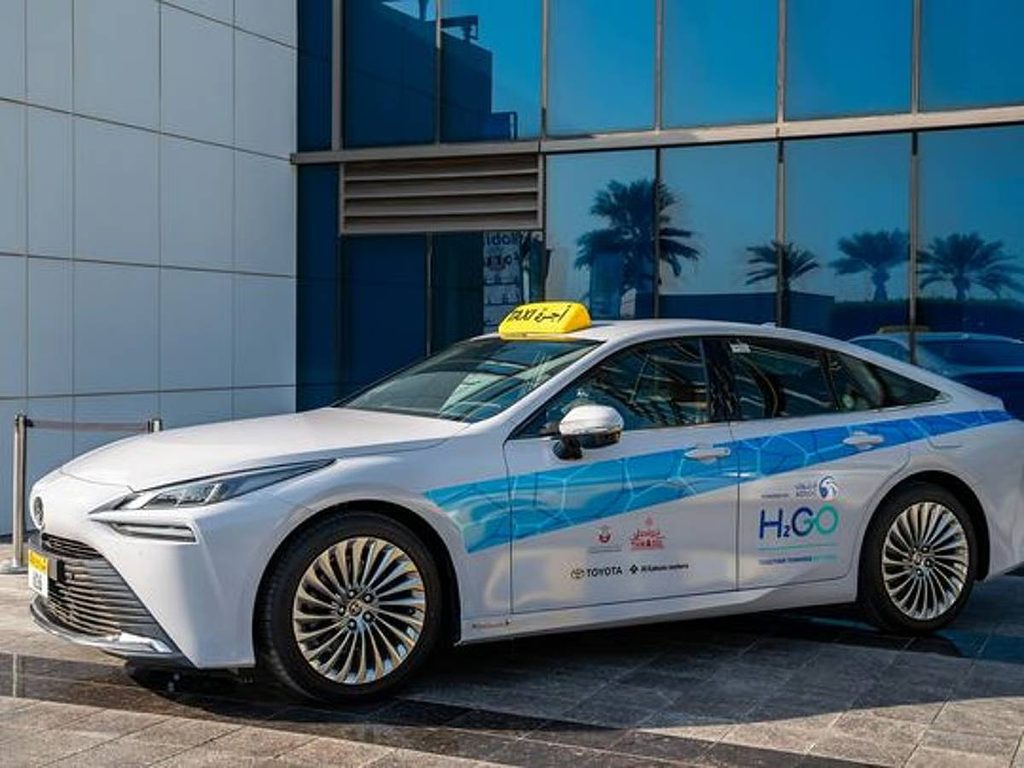
How Abu Dhabi is moving from conventional engines to hybrid and fully electric taxis
1. Driving the transition through strategy and partnerships
Abu Dhabi’s shift towards cleaner taxis is the result of long-term planning and cooperation between the public and private sectors, rather than an overnight transformation.
Regulatory frameworks and modernised legislation: Abu Dhabi Mobility has introduced regulatory frameworks and incentives to encourage taxi franchise operators to gradually replace conventional petrol and diesel vehicles with hybrid and fully electric alternatives.
Private-sector partnerships: Franchise operators, including Tawasul and other service providers, have joined the transition through agreements with leading hybrid and electric vehicle manufacturers. These partnerships aim to bring more energy-efficient models suited to local operating conditions into their fleets.
Expanding across taxi services: The transition covers several categories, including standard public taxis, family taxis, Abu Dhabi airport taxis and vehicles dedicated to People of Determination.
2. Environmental and economic impact: What the figures show
Thousands of taxis operate across Abu Dhabi every day, collectively covering millions of kilometres. Replacing conventional engines with hybrid and electric powertrains can therefore deliver environmental benefits across the emirate.
Hybrid and electric taxis compared with conventional vehicles
The current green fleet (99%)
- Powertrain: Fully electric systems and hybrid engines.
- Energy efficiency: Improved efficiency, with regenerative braking recovering energy and helping reduce overall consumption.
- Noise levels: Quieter operation helps reduce noise pollution in urban areas.
Conventional vehicles
- Powertrain: Petrol and diesel engines.
- Energy efficiency: Generally higher fuel consumption, with carbon emissions released through exhaust systems.
- Noise levels: Conventional engines contribute to higher levels of traffic noise.
Lower operating costs and better air quality
The transition is also expected to reduce long-term maintenance and operating costs. By limiting reliance on conventional fuel-powered vehicles, the strategy can help improve air quality across Abu Dhabi’s urban centres, Al Ain and the Al Dhafra Region.
3. Integration with smart and autonomous mobility
The shift towards hybrid and electric vehicles is also helping prepare Abu Dhabi’s transport network for more advanced mobility solutions.
Autonomous mobility: Alongside the transition to cleaner vehicles, Abu Dhabi has begun commercial operations involving fully autonomous vehicles equipped with advanced self-driving technology. These initiatives, developed in partnership with international and local companies, are expanding the use of artificial intelligence in the emirate’s transport sector.
Digital booking and payment services: Taxi services are increasingly integrated with smart booking applications and digital payment systems. GPS-based tracking and fleet management tools also help improve the passenger experience, reduce waiting times and strengthen operational efficiency.
4. Drivers’ and passengers’ experiences
A more comfortable passenger experience: Hybrid and electric taxis offer quieter journeys, with reduced engine noise and vibrations. These features can make travel more comfortable, particularly in busy urban areas.
Improved driving experience: Drivers can also benefit from smoother vehicle operation, especially in congested traffic, as well as advanced driver-assistance and safety features available in newer models.
With approximately 99 per cent of Abu Dhabi’s taxi fleet now made up of low-emission, hybrid and electric vehicles, the emirate is putting its sustainable mobility ambitions into practice. The transition is increasingly reflected in the everyday journeys of residents and visitors across the capital and beyond.

