

El Niño’s impact on UAE weather may be indirect, but its effects could still be significant.
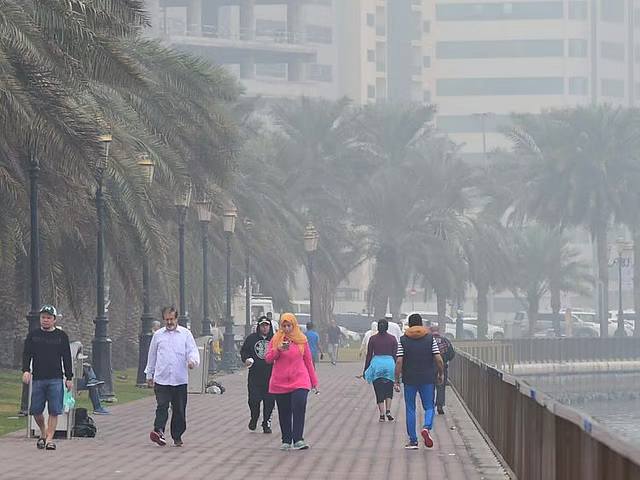
Dubai: Winter in the UAE typically offers a welcome break from the scorching summer temperatures. But this season could bring something more — the possibility of above-average rainfall as a powerful climate phenomenon develops thousands of kilometres away in the Pacific Ocean.
El Niño, a natural climate pattern characterised by unusually warm sea surface temperatures across the tropical Pacific, is expected to reach very strong levels during October and November 2026. Its effects could influence temperature and rainfall patterns in the Emirates through winter and into spring 2027.
According to the National Centre of Meteorology (NCM), there is a 96 per cent probability of El Niño conditions between November 2026 and March 2027, with temperatures and rainfall across the UAE forecast to remain near or above seasonal averages.
The outlook has raised interest in whether the country could experience wetter conditions or more intense weather events later in the season.
However, the NCM has not forecast any specific storms, and meteorologists caution that global climate patterns do not translate directly into predictable local weather events.
While early indicators offer clues about the coming winter, understanding how changes in the distant Pacific Ocean might influence weather in the UAE remains complex.
How does El Niño influence UAE weather?
The connection between El Niño and the UAE’s weather begins thousands of kilometres away in the tropical Pacific Ocean.
When sea surface temperatures rise above normal across large parts of the region, they can disrupt atmospheric circulation patterns, affecting rainfall, temperatures and weather systems in different parts of the world.
El Niño forms part of a recurring natural climate cycle known as the El Niño–Southern Oscillation (ENSO).
Its influence varies widely by location. Some regions experience heavier rainfall and flooding, while others face prolonged dry spells and drought.
In the UAE, El Niño’s effects are generally indirect, but they can become more noticeable during the winter months, when the country receives much of its annual rainfall.
Research conducted by scientists at New York University Abu Dhabi suggests that El Niño years are often associated with stronger movements of moisture-rich air from the Red Sea and Arabian Sea towards the Arabian Gulf.
This additional atmospheric moisture, combined with changes in upper-level winds and regional weather systems, can increase the likelihood of conditions suitable for rainfall.
However, El Niño does not automatically cause heavy rain or storms in the UAE.
For rainfall to develop, several atmospheric factors must come together, including sufficient moisture, unstable air and weather systems capable of producing rain-bearing clouds.
Will the UAE experience more rainfall this winter?
The NCM’s seasonal forecast indicates that rainfall across the Emirates could be near or above the long-term average between November 2026 and March 2027.
However, the outlook does not provide an estimate of how much additional rainfall the country might receive.
It also does not necessarily mean that rainy days will become more frequent throughout the winter.
Seasonal rainfall can vary considerably, and even a wetter-than-average season may feature long stretches of dry weather interrupted by a small number of significant rainfall events.
For now, the forecast points to an increased possibility of wetter conditions, rather than a definite prediction of unusually heavy rain or individual storms.
A wetter-than-average winter does not necessarily mean continuous rainfall. A few episodes of intense downpours can push seasonal rainfall totals above normal, even if most days remain dry.
Rainfall patterns across the UAE can also differ considerably from one location to another. While some areas may experience heavy thunderstorms, neighbouring communities could receive little or no precipitation.
The National Centre of Meteorology (NCM) has highlighted the possibility of increased weather activity towards the end of the forecast period, making it particularly important for residents to monitor weather updates as winter transitions into spring.
However, whether such conditions materialise will depend on several atmospheric factors that cannot be accurately predicted months in advance.
Could the UAE see another storm like the April 2024 floods?
The prospect of above-average rainfall may revive memories of April 16, 2024, when the UAE recorded its heaviest rainfall since official meteorological records began in 1949.
The historic storm caused widespread flooding, submerged roads, disrupted airline operations and brought daily activities to a halt in parts of Dubai and other emirates.
According to the NCM, Khatm Al Shakla in Al Ain recorded 254.8 millimetres of rainfall in less than 24 hours, while several other locations also experienced exceptionally heavy downpours.
Despite the possibility of a wetter winter, the latest seasonal forecast does not suggest that another storm of comparable intensity is imminent.
Scientific studies examining the April 2024 floods found that the extreme rainfall resulted from a combination of powerful atmospheric disturbances, abundant moisture and unusually warm surrounding seas.
Although El Niño can influence broader climate patterns and create conditions that may favour rainfall, it cannot independently trigger or predict a specific extreme weather event.
Therefore, even if El Niño reaches very strong levels, it does not automatically mean the UAE will experience another record-breaking storm or widespread flooding.
Will the UAE experience a warmer winter in 2026–2027?
In addition to the possibility of increased rainfall, the NCM’s seasonal outlook indicates that temperatures across the UAE could remain near or above their usual winter averages.
This could result in a generally warmer winter compared with typical seasonal conditions, although periods of cooler weather, particularly during the evenings and early mornings, may still occur.
The forecast also provides insights into the expected strength of El Niño, based on sea surface temperature measurements across the tropical Pacific Ocean.
According to the NCM, the latest Niño 3.4 index reading was 2.3°C above normal, indicating substantially warmer-than-average ocean temperatures in the monitored region.
Climate models suggest that the temperature anomaly could approach 3°C during October and November 2026, signalling a potentially powerful El Niño episode.
Under the classification used in the report, a sea surface temperature anomaly exceeding 2°C places El Niño in the very strong category.
While these measurements help scientists assess the intensity of the climate phenomenon, they do not provide a direct forecast of how much rain will fall in the UAE or how individual weather systems will develop during the winter months.
However, these figures refer to how much warmer sea surface temperatures in the tropical Pacific Ocean are compared with their long-term average. They do not indicate that temperatures in the UAE will increase by 2.3°C or 3°C.
The NCM has also not specified how much temperatures across the Emirates could rise during the forecast period.
What does the 96 per cent El Niño probability actually mean?
The 96 per cent probability highlighted in the NCM’s seasonal outlook may sound significant, but it is important to understand what the figure represents.
It refers to the likelihood of El Niño conditions developing or persisting between November 2026 and March 2027.
It does not mean there is a 96 per cent chance of heavy rainfall, severe thunderstorms or flooding in the UAE.
While meteorologists can forecast major oceanic climate patterns several months in advance, predicting their precise impact on weather in individual countries is considerably more challenging.
Even during very strong El Niño events, other regional and global atmospheric systems can influence rainfall patterns, sometimes amplifying or reducing the effects typically associated with the phenomenon.
In other words, a high probability of El Niño does not automatically translate into a high risk of extreme weather in the Emirates.
What can UAE residents expect this winter?
For residents across the UAE, a clearer picture of the coming winter will emerge as shorter-term weather forecasts identify developing atmospheric systems and their potential impact on the country.
If the season turns out to be wetter than usual, some areas could experience spells of heavy rainfall that may disrupt road traffic, outdoor events and travel plans.
Locations prone to waterlogging or flash flooding could be particularly vulnerable during intense downpours.
Motorists are advised to follow official weather alerts, avoid driving through flooded roads or wadis and allow extra travel time when heavy rainfall is expected.
The NCM will continue tracking El Niño conditions and updating its seasonal assessments every month as new ocean temperature measurements and climate model projections become available.
For now, the outlook suggests that the UAE could experience a warmer and wetter winter than average, with the possibility of more significant weather activity towards the latter part of the season.
However, important questions remain unanswered: how much rain the country will receive, which areas could experience the heaviest downpours and whether the atmospheric conditions necessary for a major storm will develop.
Until more detailed forecasts become available, the seasonal outlook should be viewed as an indication of possible weather trends rather than a prediction of specific storms or flooding events.

