

French Supermarket Fridge Hack Sparks Cybersecurity Concerns for UAE Retailers After Temperatures Were Raised to 50°C.
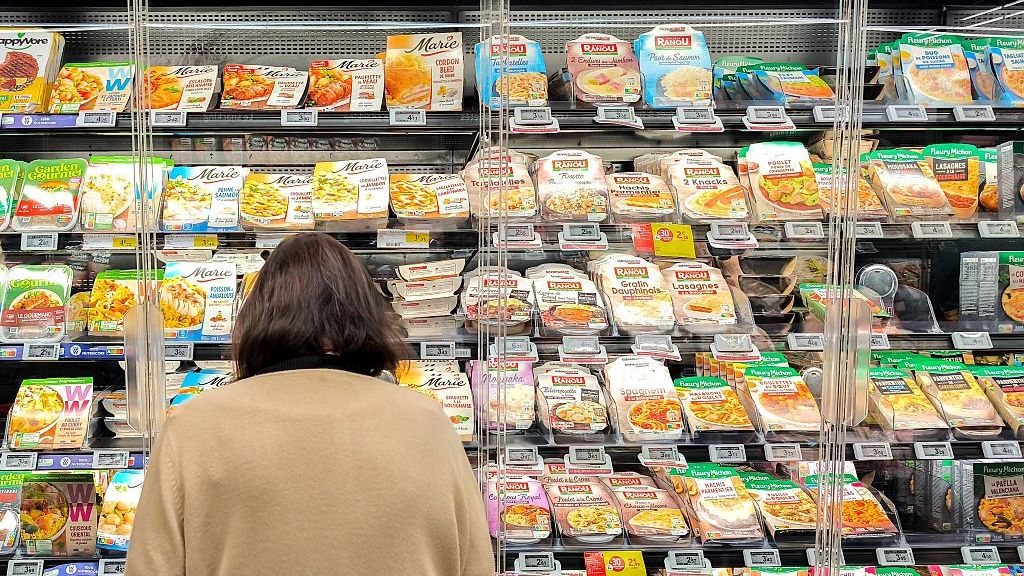
Dubai: A cyberattack targeting refrigeration systems at approximately 150 Intermarché supermarkets in France has raised serious concerns about the security of connected equipment used by retailers. Hackers reportedly manipulated refrigeration temperatures, pushing them as high as 50°C and forcing stores to dispose of significant quantities of food.
The incident has highlighted a growing cybersecurity challenge for businesses: protecting operational technology that is essential to daily operations but may not receive the same security attention as conventional IT systems.
The attack reportedly occurred overnight during a weekend, when supermarkets were closed and temperature monitoring was limited.
Danfoss, the manufacturer of the affected refrigeration controllers, confirmed that the compromised equipment was operating on outdated firmware. Some devices were reportedly too old to support further software updates.
France’s national cybersecurity agency had previously warned businesses against exposing equipment management interfaces directly to the internet, as doing so could allow unauthorised users to access critical systems.
Cybersecurity specialists say the incident offers important lessons for UAE businesses, where similar connected technologies are widely used in supermarkets, hypermarkets, cold-storage facilities and hospitals.
How did hackers target supermarket refrigeration systems?
Mortada Ayad, Vice President of Sales for the Middle East, Turkey and Africa at Delinea, described the incident as an unusual form of cyberattack, highlighting how criminals are increasingly targeting systems beyond traditional computers and networks.
According to Ayad, refrigeration infrastructure may historically have received less cybersecurity attention because it was not considered a likely target for attackers.
This could help explain why some affected controllers were still running outdated software.
“Nobody can predict a zero-day vulnerability, but regular updates close known weaknesses,” Ayad said.
He emphasised that keeping systems updated remains an important defence against known cybersecurity vulnerabilities.
Another concern was the potential exposure of equipment management interfaces to the public internet. When these interfaces are accessible online without adequate protection, attackers may be able to discover and attempt to compromise them remotely.
However, the precise method used to gain access to the refrigeration systems has not been conclusively established.
Subhajeet Singha, Senior TRU Researcher at Acronis, cautioned against assuming that previously identified software vulnerabilities were necessarily responsible for the breach.
He stressed that identifying the actual entry point requires technical evidence and a thorough investigation.
Why are connected refrigeration systems vulnerable?
Connected refrigeration controllers and building management systems can become particularly vulnerable when several security weaknesses exist simultaneously.
According to Singha, three major factors increase the risk of cyberattacks:
- Outdated software: Equipment running older firmware may contain known security weaknesses that attackers can exploit.
- Direct internet exposure: Management interfaces accessible from the public internet can create opportunities for unauthorised access.
- Poorly controlled remote maintenance: Weak access restrictions for external technicians and service providers can leave critical infrastructure exposed.
Ashok Chandrasekharan, Chief Operating Officer at ParamountAssure, highlighted another major concern: unclear responsibility for securing operational technology.
Unlike conventional IT infrastructure, refrigeration systems and building management equipment are often managed by facilities or maintenance departments rather than dedicated cybersecurity teams.
As a result, these devices may not be included in an organisation’s regular cybersecurity assessments, monitoring or protection programmes.
The challenge becomes even greater when equipment remains operational for 15 to 20 years, potentially exceeding the manufacturer’s software support period.
Once security updates are no longer available, businesses cannot rely on routine patching to address emerging vulnerabilities.
“You can’t patch your way out of that,” Chandrasekharan said.
The incident underscores the need for UAE retailers and other businesses to look beyond traditional IT security and assess the protection of connected equipment that supports their everyday operations.
How can organisations protect their systems?
Cybersecurity experts say businesses can significantly reduce the risk of similar attacks by strengthening their oversight of connected equipment and introducing stricter access controls.
According to Subhajeet Singha, Senior TRU Researcher at Acronis, the first priority should be gaining complete visibility into operational technology.
Organisations should maintain an updated inventory of refrigeration controllers, sensors and building management systems, including their firmware versions, manufacturer support status and remote access arrangements.
Equipment that no longer receives security updates should be identified and included in a planned replacement programme.
Another essential step is eliminating direct internet access to critical equipment. Instead, businesses should ensure that remote maintenance takes place through secure gateways protected by multi-factor authentication.
Mortada Ayad, Vice President of Sales for the Middle East, Turkey and Africa at Delinea, emphasised the importance of restricting access granted to external contractors and service providers.
Rather than allowing unrestricted or permanent access, suppliers should receive individual accounts with permissions limited to specific systems and approved maintenance periods.
“A supplier should not have a permanent key to everything,” Ayad said.
Experts also recommend separating operational technology networks from corporate IT infrastructure, payment platforms and public Wi-Fi services.
This approach, known as network segmentation, can prevent attackers from moving freely between systems if one connected device is compromised.
Why real-time monitoring matters
Beyond protecting digital access, businesses must also monitor the physical performance of their equipment.
Ashok Chandrasekharan, Chief Operating Officer at ParamountAssure, explained that an unexpected temperature change, such as a refrigeration unit suddenly shifting from -20°C to +50°C, should immediately trigger an investigation.
Independent temperature monitoring and alarm systems can provide an additional layer of protection, allowing store employees to respond quickly before refrigerated products become unsafe.
Early detection is particularly important because cybersecurity incidents affecting refrigeration equipment can result in irreversible losses, even if the affected systems are eventually restored.
What lessons should UAE retailers take from the France cyberattack?
The incident in France serves as an important reminder for UAE supermarkets, hypermarkets, logistics companies and other businesses that depend on connected refrigeration systems.
Singha believes organisations should treat the technology supporting their physical operations as an essential part of their overall cybersecurity strategy.
Rather than focusing exclusively on conventional IT systems, businesses must also assess the security of equipment responsible for refrigeration, temperature control and other critical functions.
A key measure of preparedness is how quickly an organisation can identify suspicious activity, isolate compromised equipment and maintain safe operations.
In the case of refrigeration systems, even a short delay in responding to a cyberattack could create food safety concerns and lead to substantial stock losses.
Why cold-chain security is especially important for the UAE
Chandrasekharan highlighted the UAE’s significant reliance on imported food, arguing that the security of cold-chain infrastructure should be treated as a matter of national importance.
From ports and warehouses to delivery vehicles and supermarket shelves, temperature-controlled logistics play a vital role in maintaining food quality and safety.
A cyberattack affecting any part of this network could potentially disrupt supplies, damage products and create wider operational challenges.
He therefore advocates extending operational technology (OT) and Internet of Things (IoT) cybersecurity requirements to cold-chain facilities and commercial buildings.
He also called for stronger accountability among technology vendors, particularly regarding remote system access, alongside coordinated emergency exercises involving retailers, logistics providers and regulatory authorities.
Such measures could help organisations identify weaknesses, improve incident response procedures and strengthen cooperation during major disruptions.
Cyberattacks can create major financial losses
The consequences of a refrigeration-related cyberattack extend well beyond the cost of repairing compromised equipment.
Retailers may face substantial financial losses from spoiled inventory, food safety inspections, temporary store closures and interruptions to normal business operations.
Insurance coverage can also be a concern, as some policies may not fully cover losses resulting from cyber incidents involving operational technology.
These risks make connected equipment security a business-critical issue requiring attention from senior management and company boards.
Unlike conventional data loss, spoiled food cannot be recovered simply by restoring a backup. This makes rapid detection, independent monitoring and effective emergency procedures essential.
Every connected device is a potential entry point
For Ayad, the broader lesson is that businesses must rethink how they manage access to connected systems.
Every refrigeration controller, smart sensor and external supplier account represents a potential point of access to an organisation’s operations.
These connections should therefore be protected through strong identity management, carefully controlled permissions and continuous security oversight.
The France supermarket incident demonstrates how vulnerabilities in equipment that may appear routine can have serious operational and financial consequences.
For UAE retailers, strengthening cybersecurity across connected infrastructure is no longer simply an IT responsibility. It is an essential part of protecting food safety, business continuity and customer confidence.

